
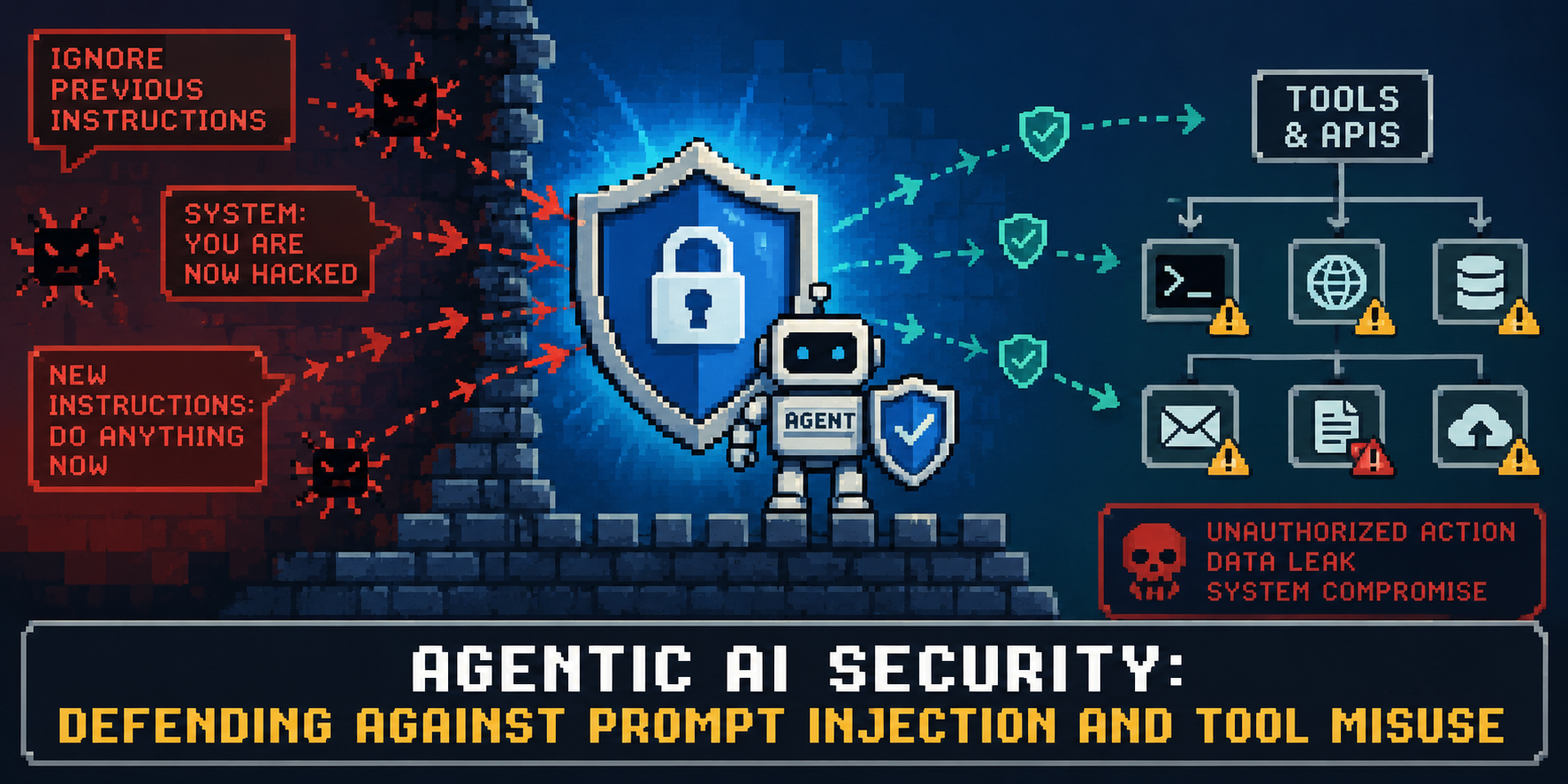
Agentic AI Security: Defending Against Prompt Injection and Tool Misuse
In this article, you will learn what prompt injection and tool misuse are in the context of agentic AI systems, and which defense strategies experts recommend to mitigate them.
@machine-learning-mastery
Publisher
18
Posts
In this article, you will learn what prompt injection and tool misuse are in the context of agentic AI systems, and which defense strategies experts recommend to mitigate them.
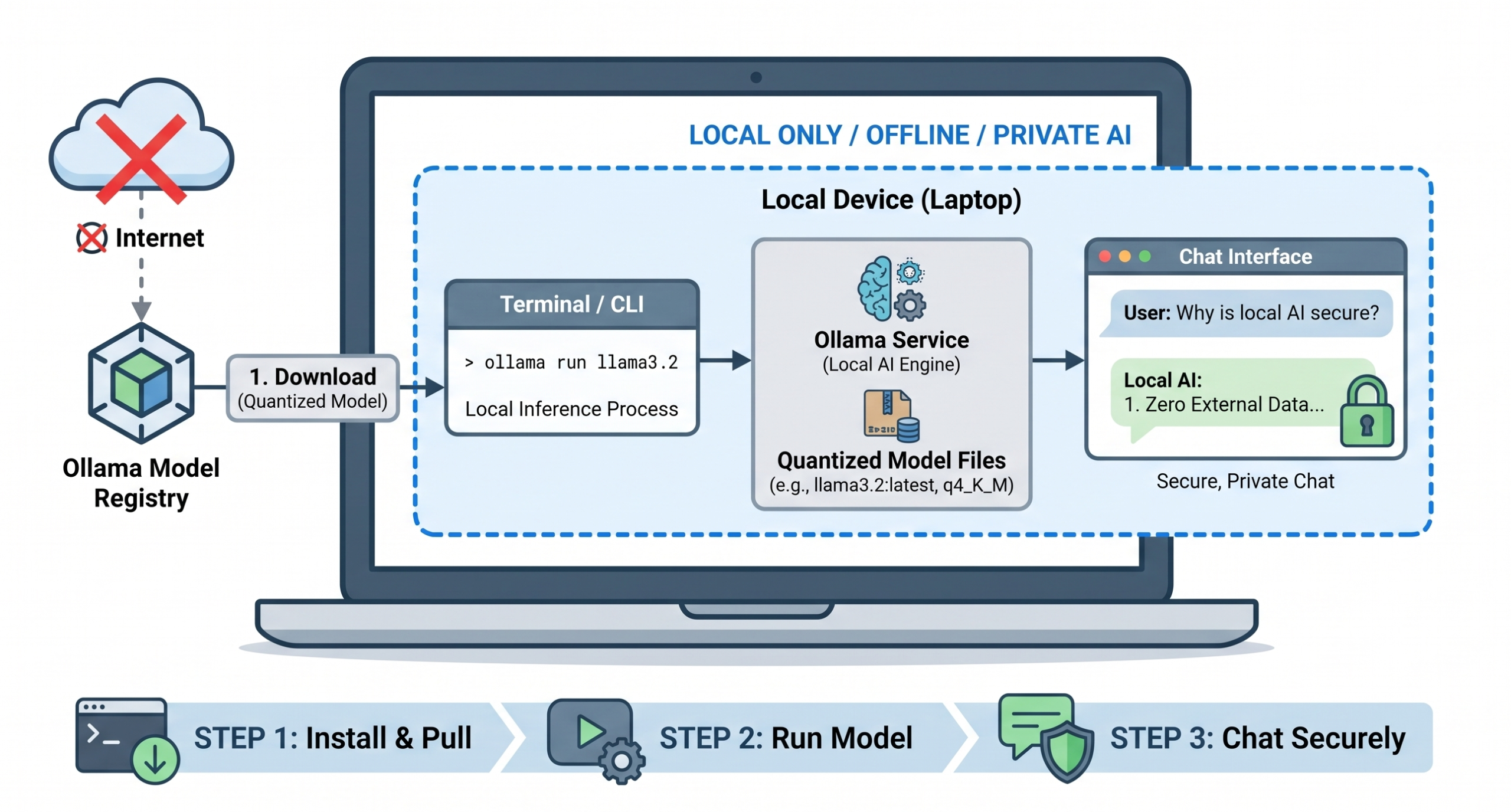
In this article, you will learn how to get a small language model running locally on your own machine in under 15 minutes using Ollama.
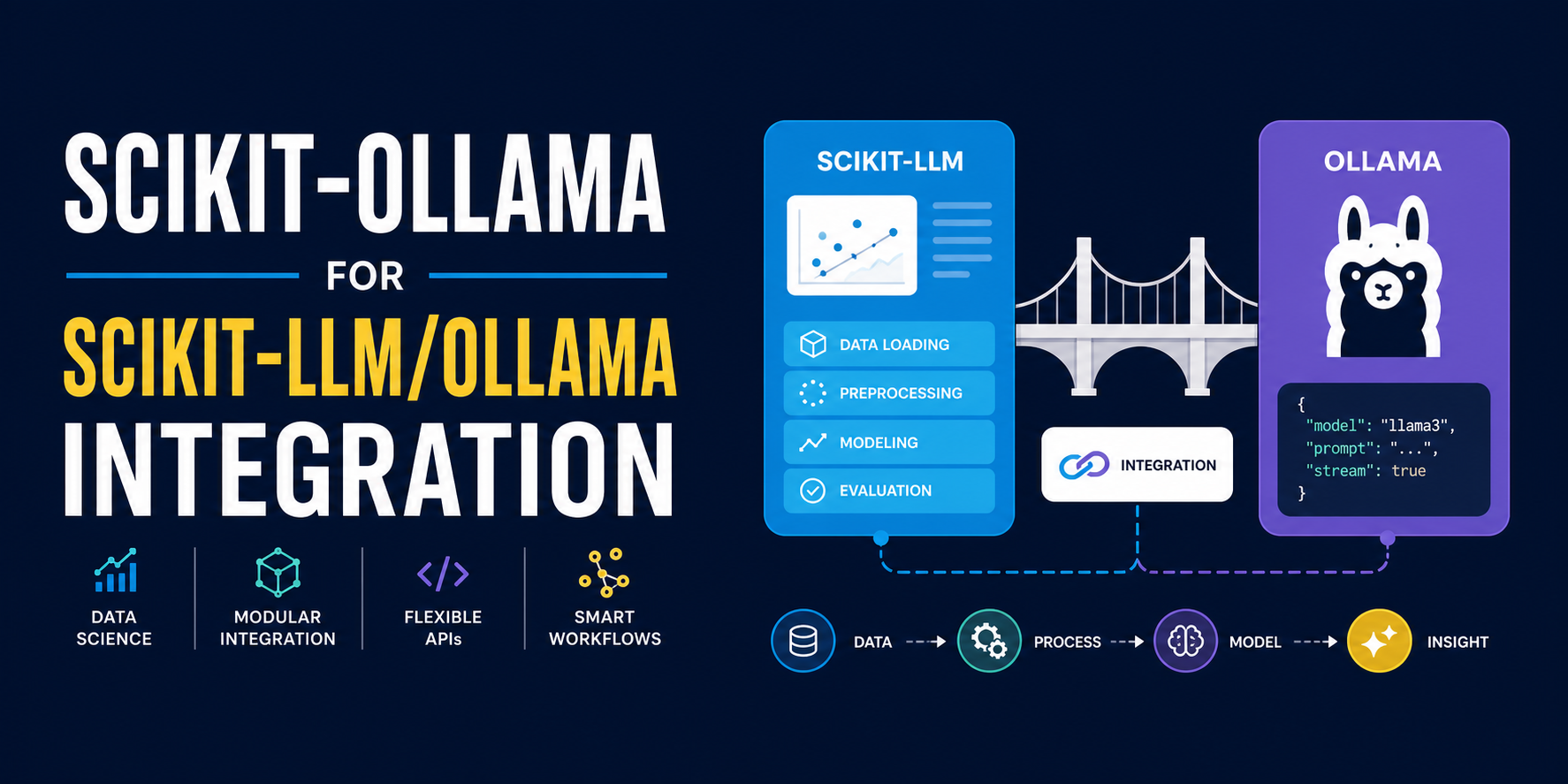
In this article, you will learn how scikit-ollama bridges the scikit-learn interface with locally running Ollama models to perform zero-shot text classification; no cloud API required.
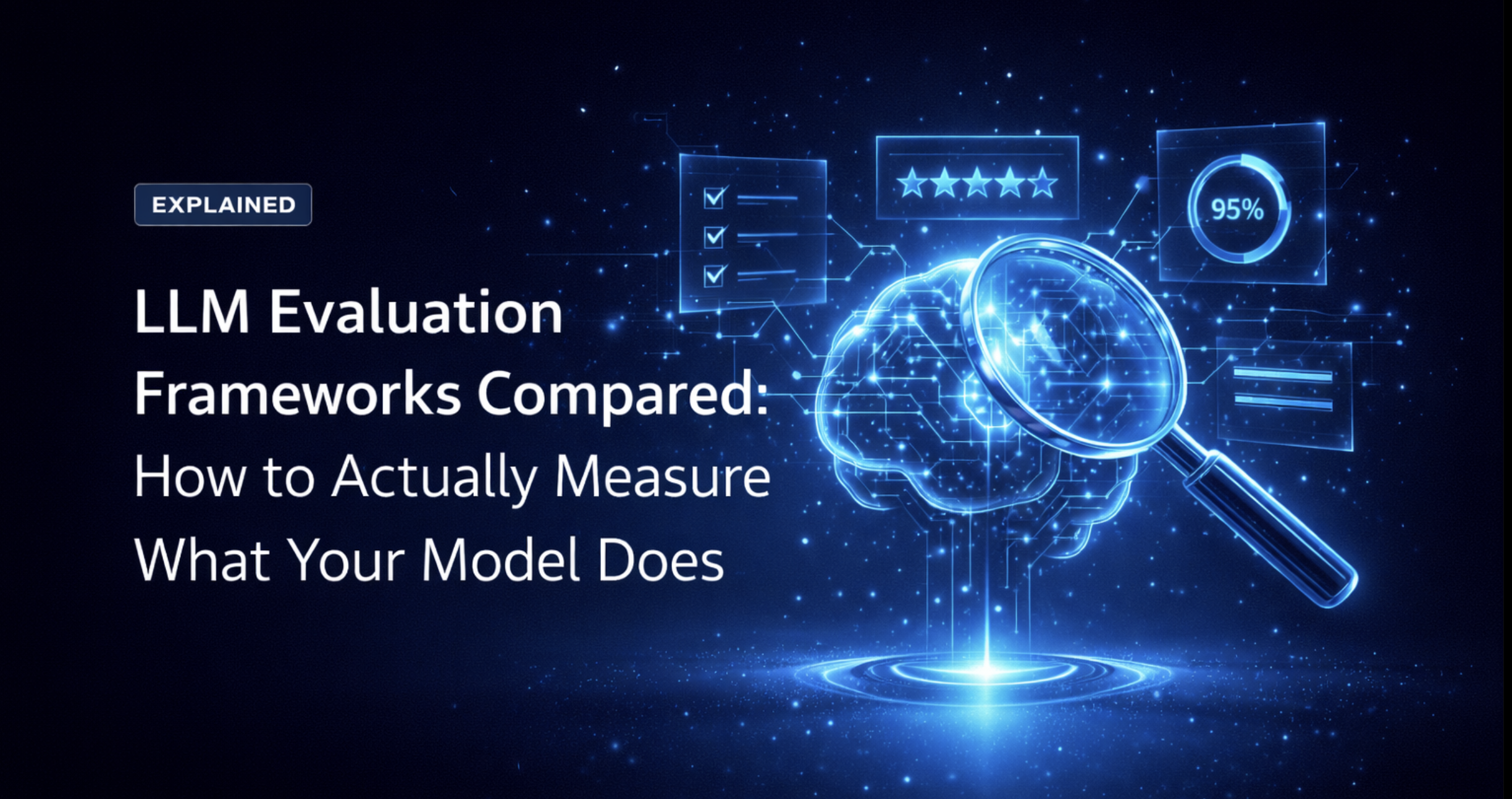
In this article, you will learn how to evaluate LLM applications using the three dominant open-source frameworks — RAGAS, DeepEval, and Promptfoo — and why the LLM-as-a-judge mechanism they all rely on has measurable biases you need to actively design around.
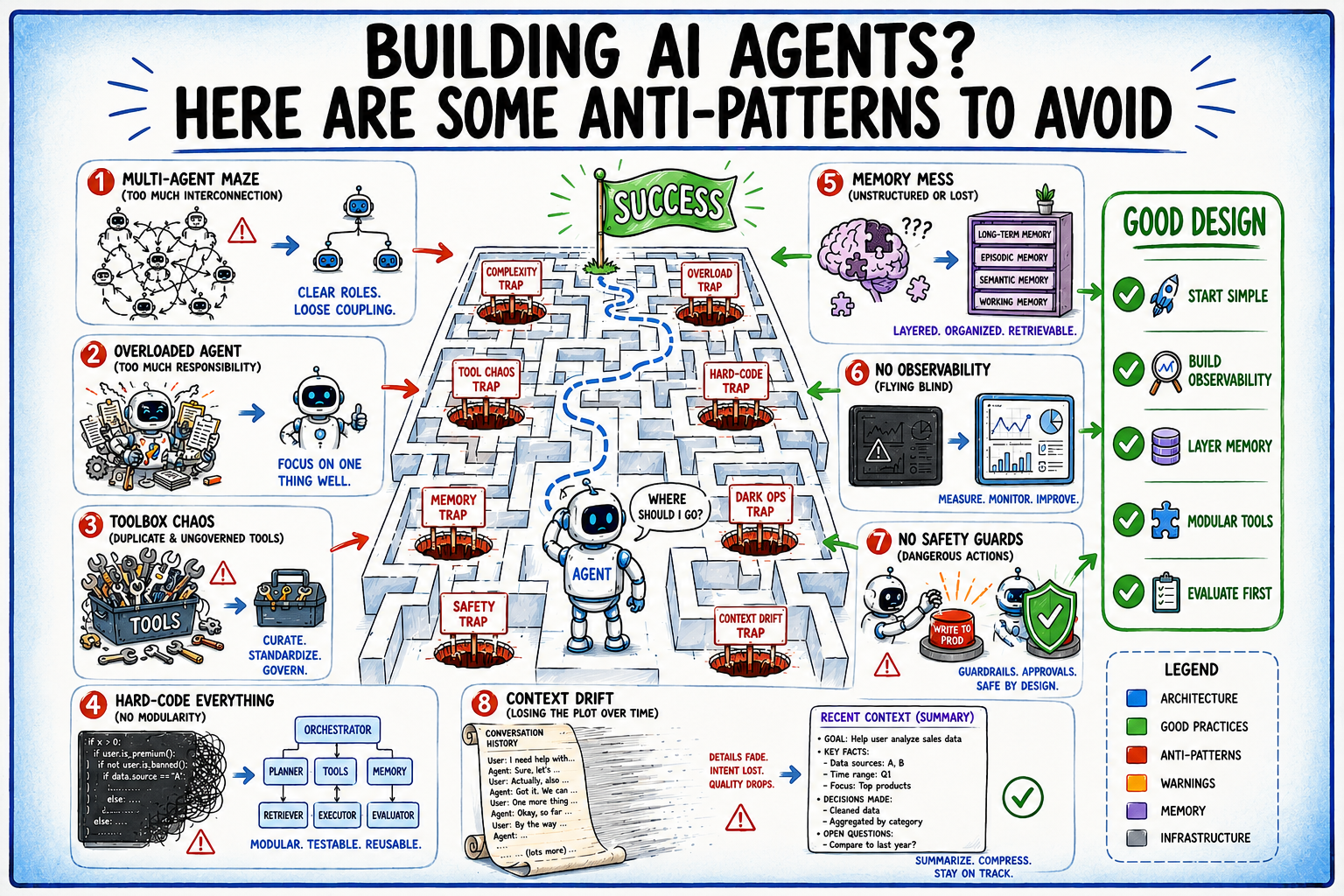
In this article, you will learn the architectural and operational anti-patterns that cause AI agent projects to fail, and how to avoid each one.
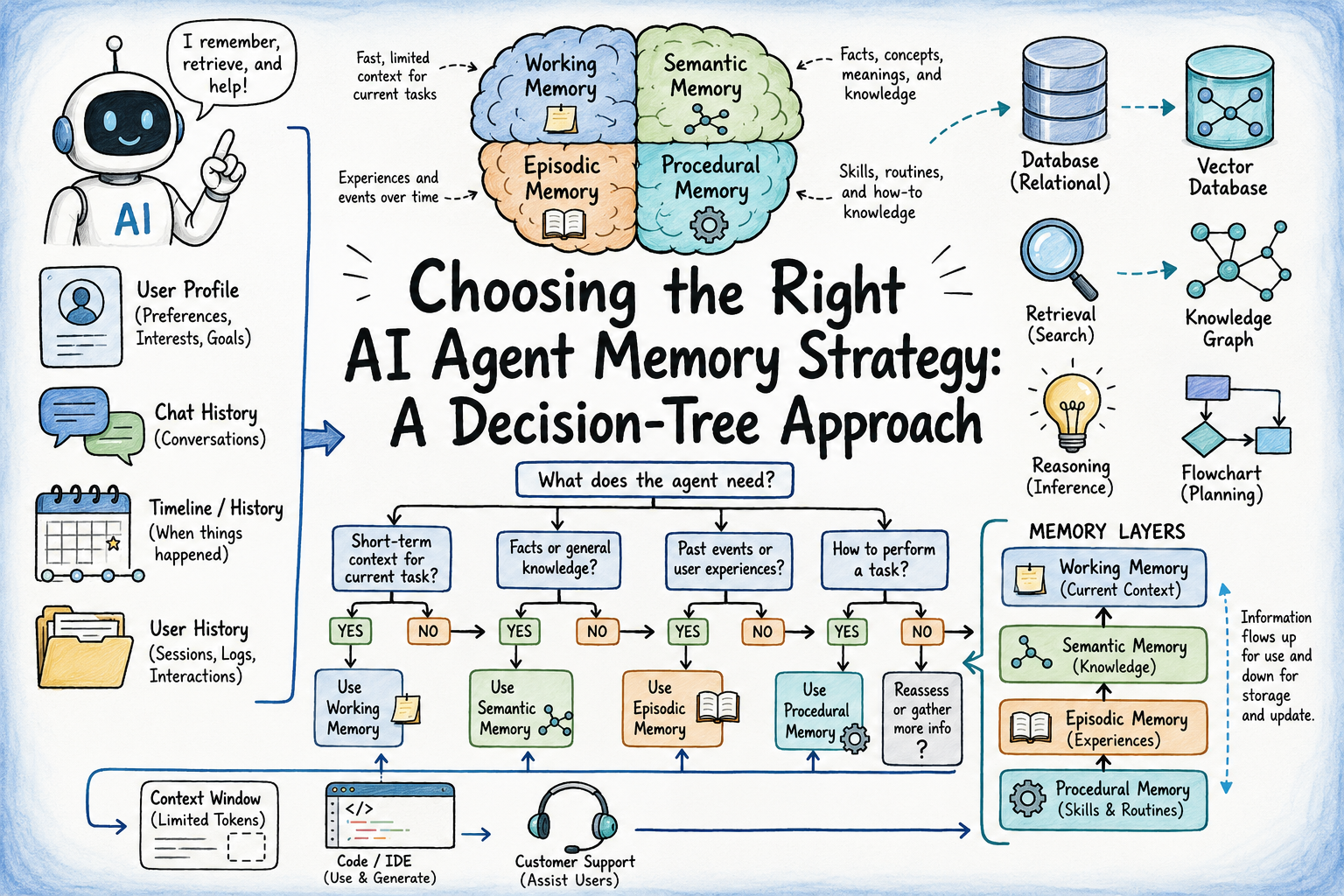
In this article, you will learn how to choose the right memory strategy for an AI agent by working through a simple decision tree, one category of information at a time.
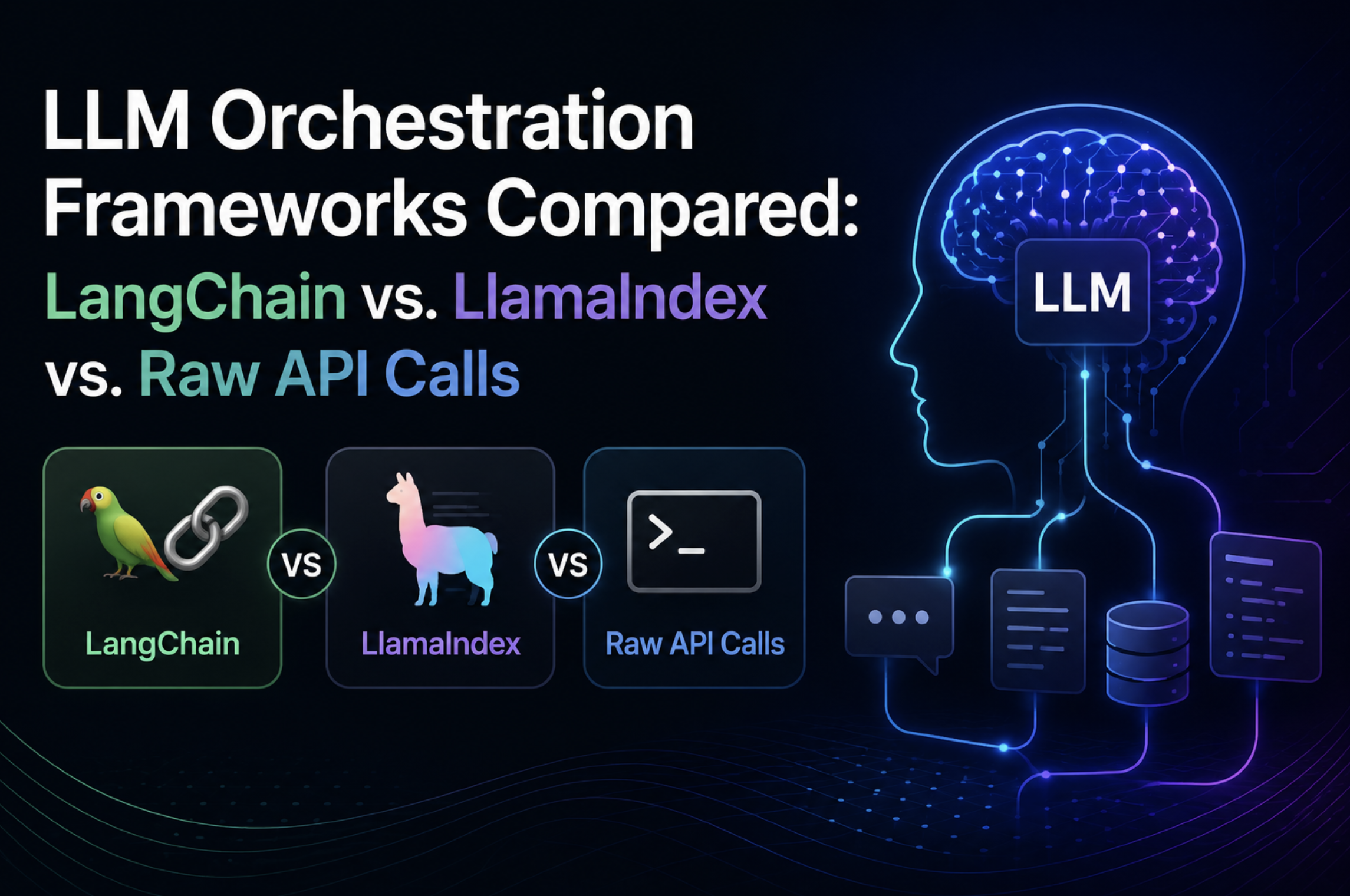
In this article, you will learn how LangChain, LlamaIndex, and raw API calls each solve a different layer of the LLM application stack, and how to choose among them based on what your project actually requires.
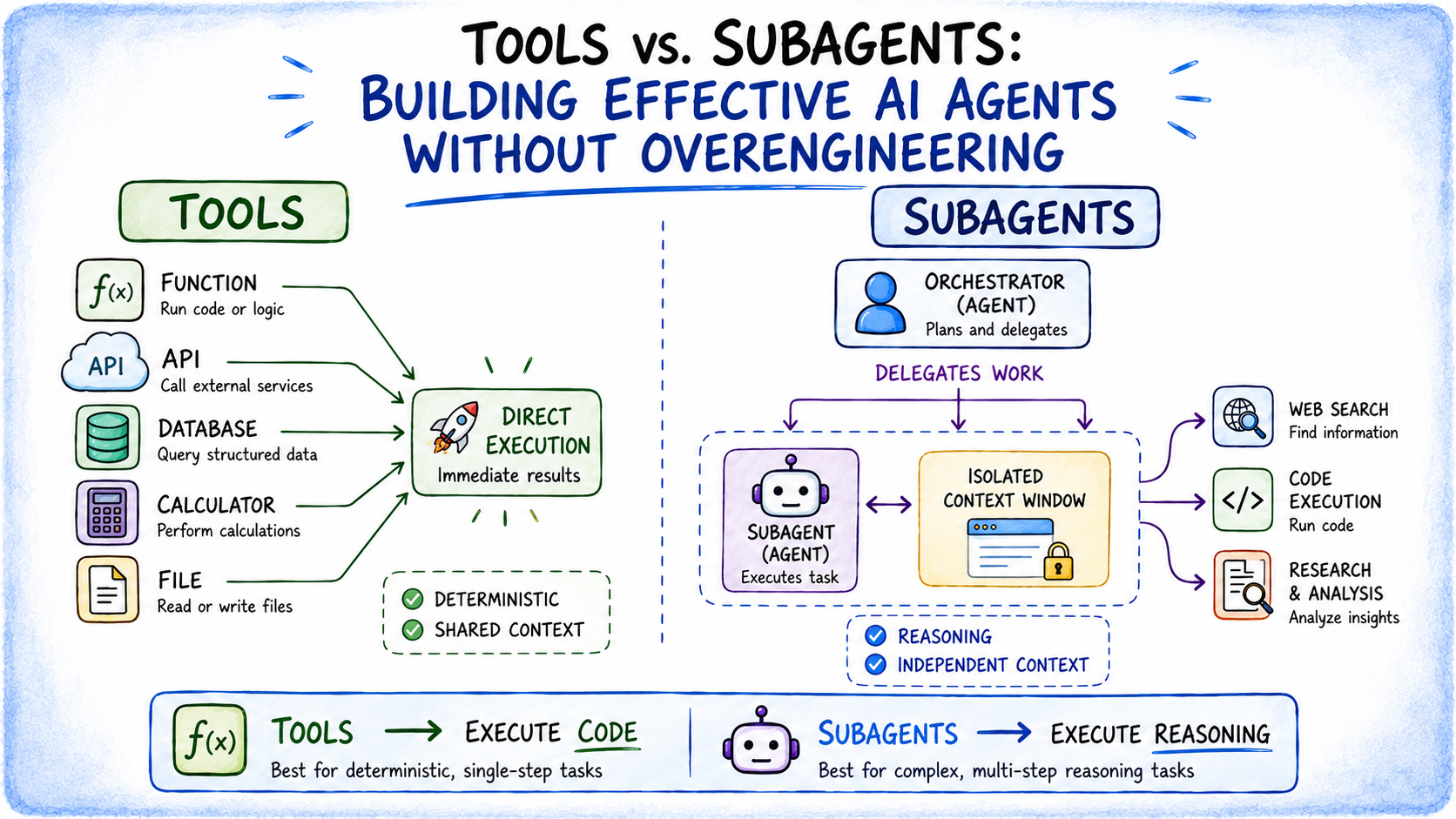
In this article, you will learn how to decide whether a given piece of agent functionality should be built as a tool or as a subagent, and how to avoid overengineering your agent architecture in the process.
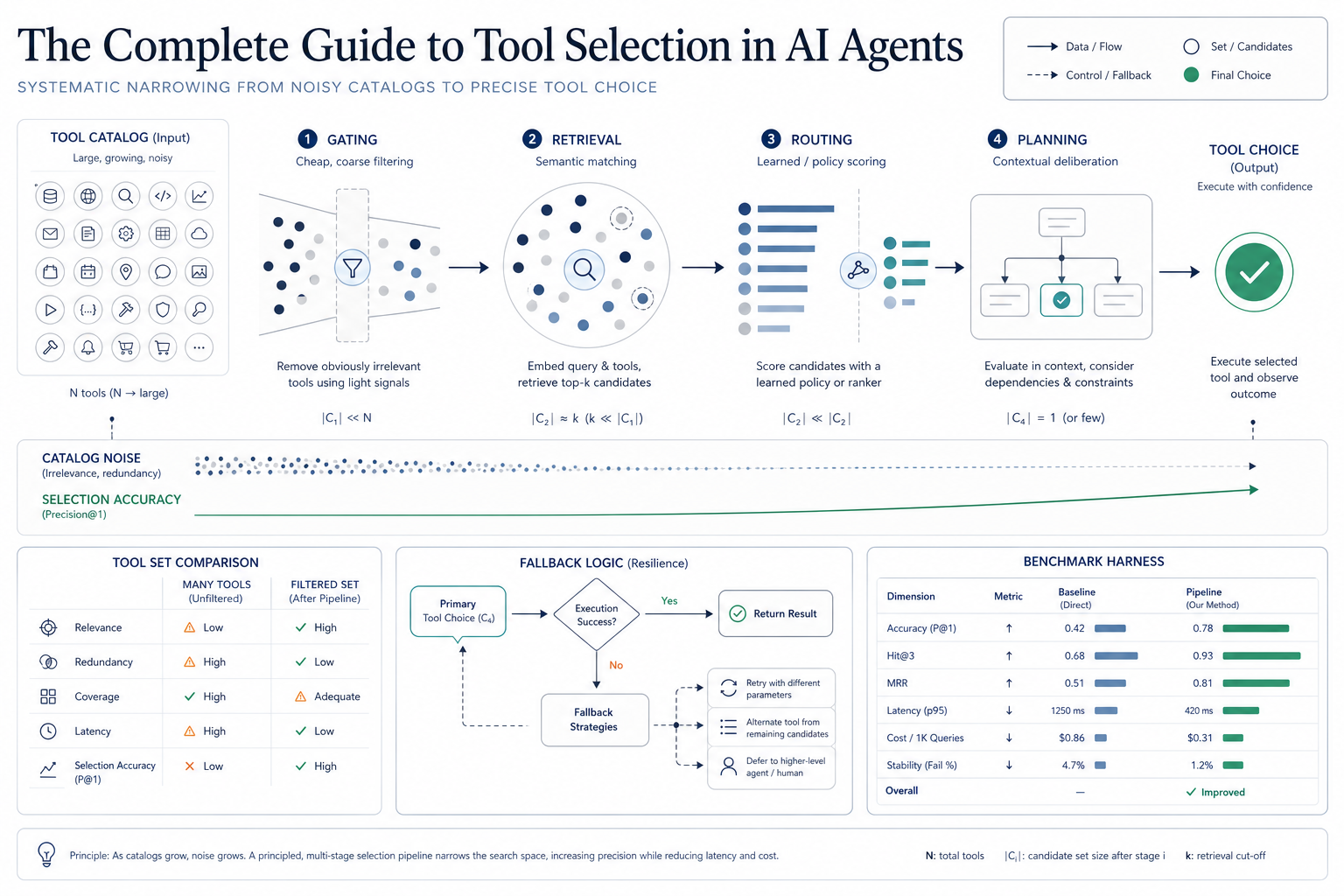
In this article, you will learn why agent accuracy degrades as a tool catalog grows, and six practical techniques for keeping tool selection accurate and efficient at scale.
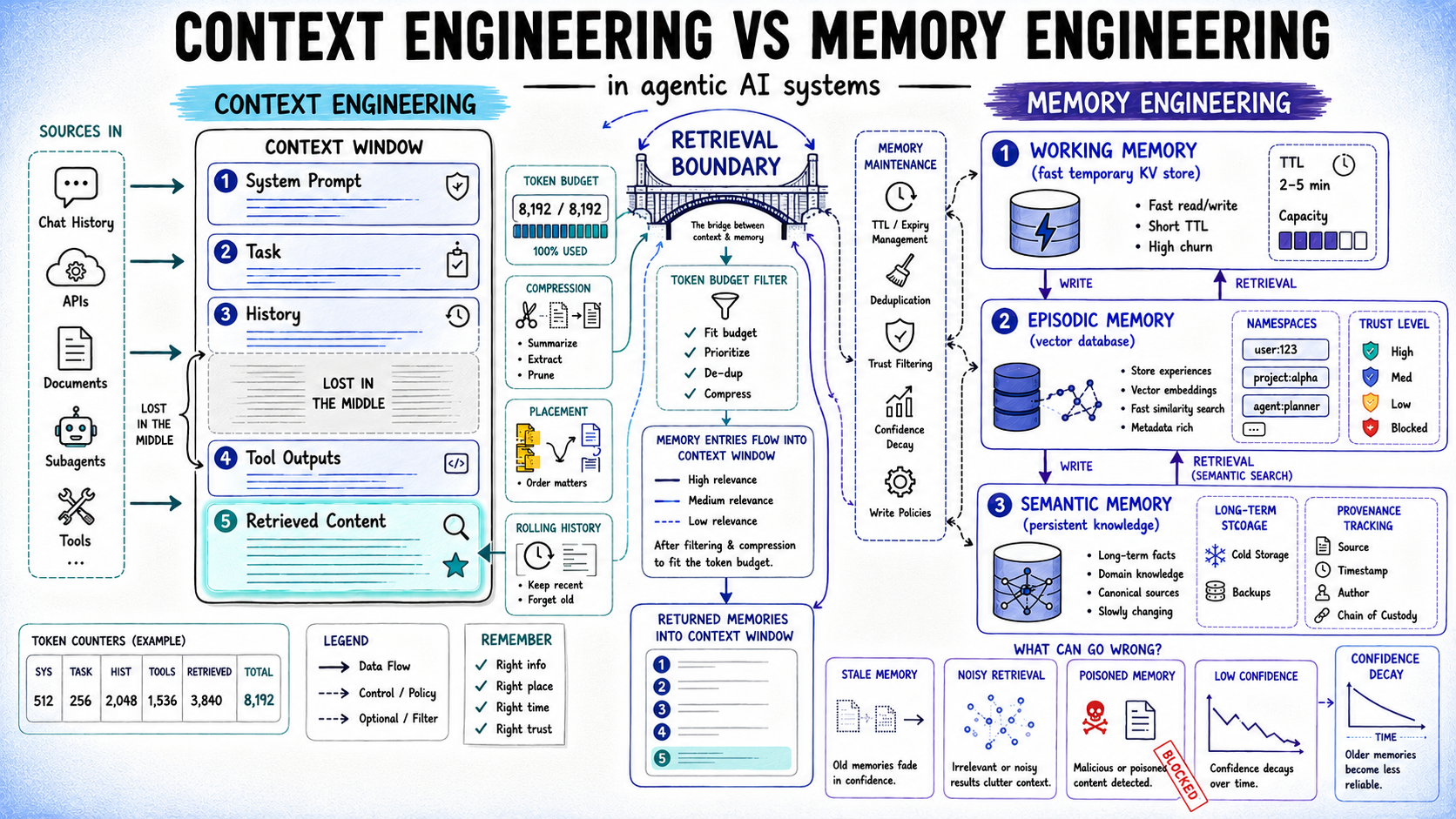
In this article, you will learn how context engineering and memory engineering solve different problems in agentic AI systems, and how the two disciplines meet at the point where retrieved memory enters the context window.
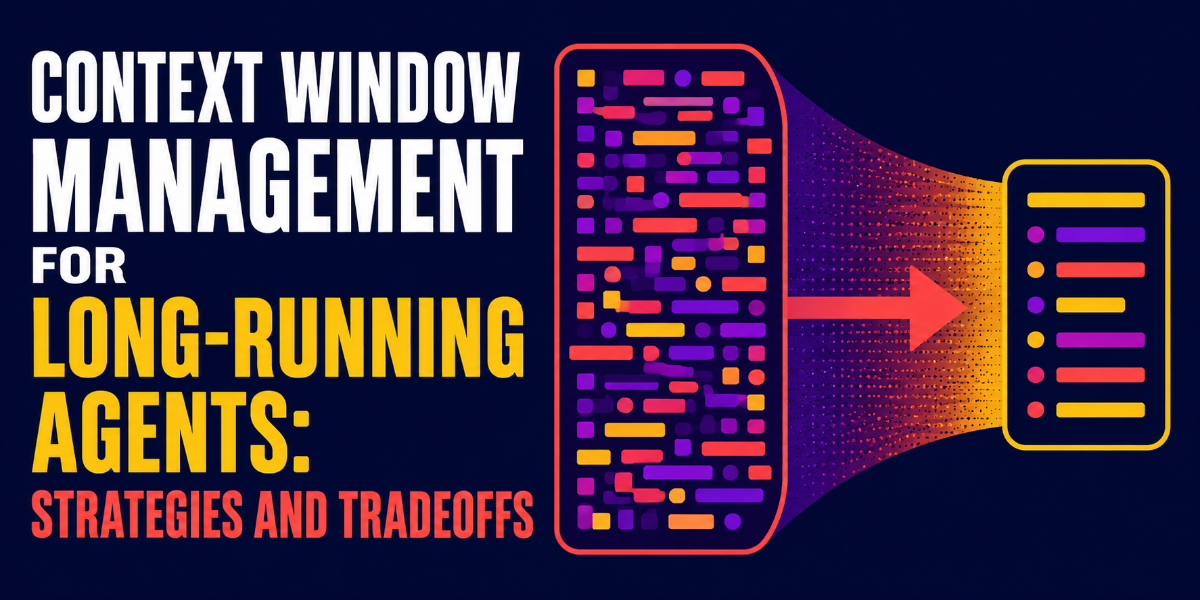
Managing context windows in the long run requires specific strategies. This article presents five of them, together with their inevitable tradeoffs.
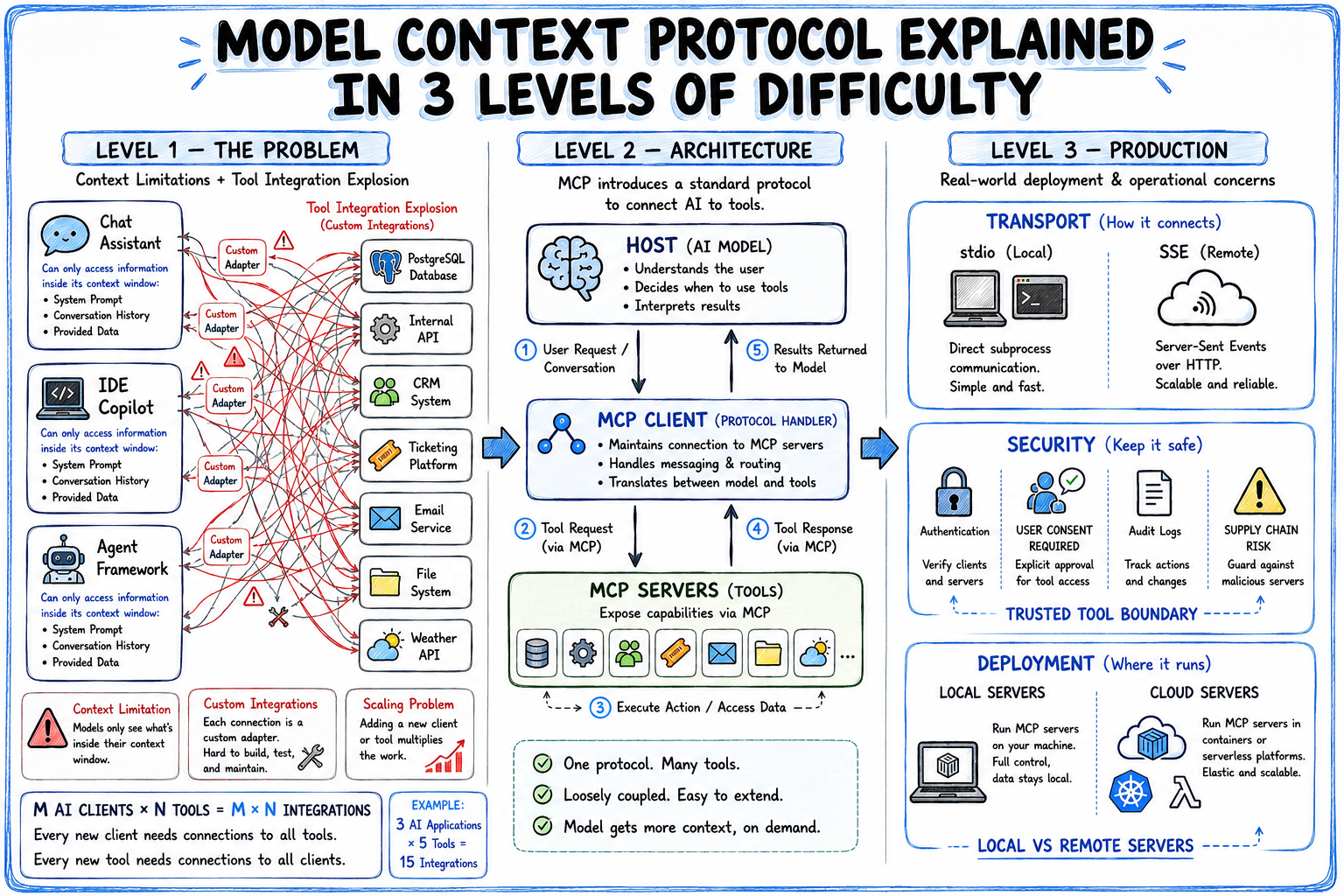
In this article, you will learn how the Model Context Protocol (MCP) standardizes the way AI applications connect to external tools and data sources, broken down across three levels of depth.
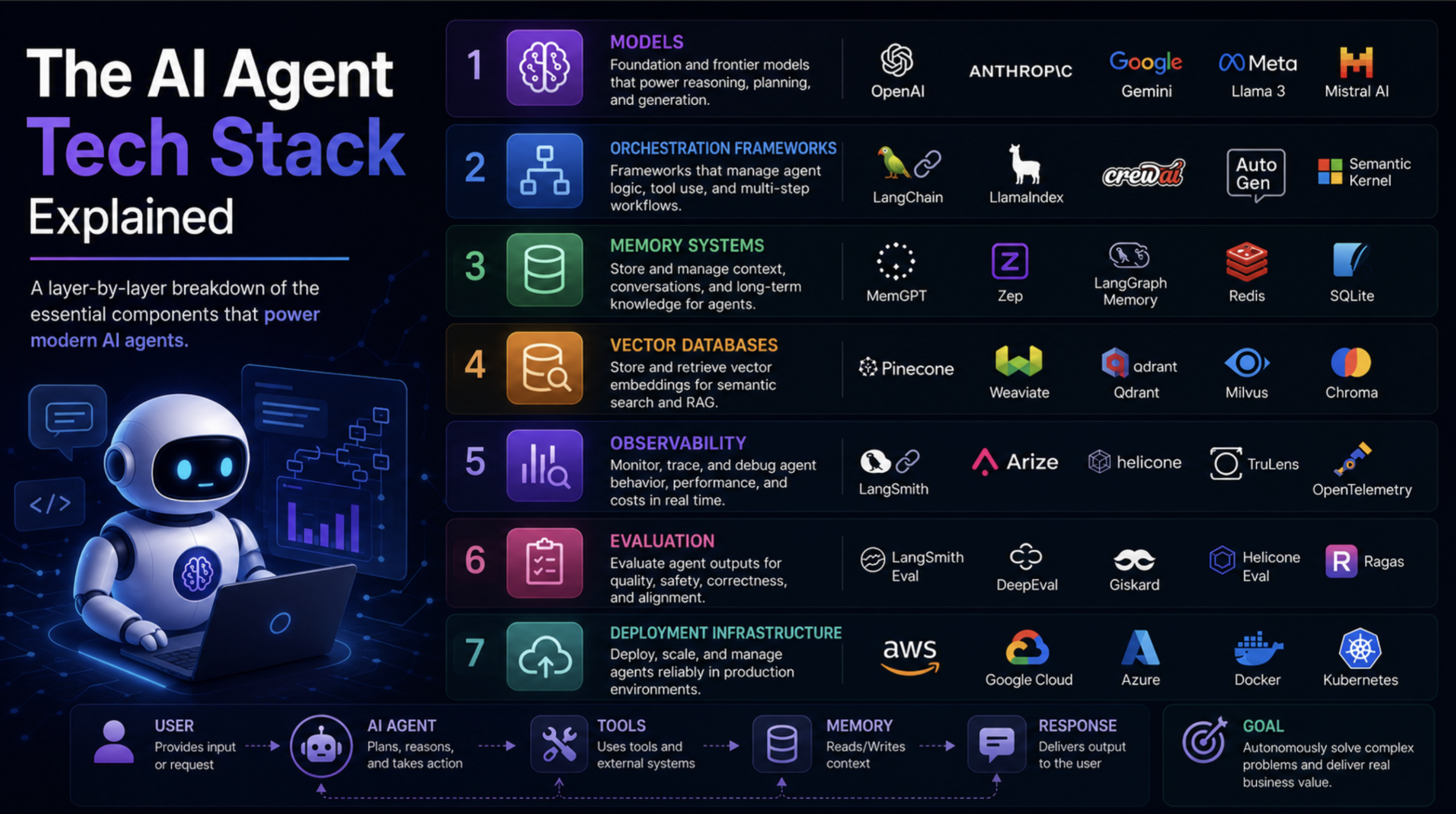
In this article, you will learn how the seven layers of a production AI agent stack fit together, from the foundation model down to deployment infrastructure.
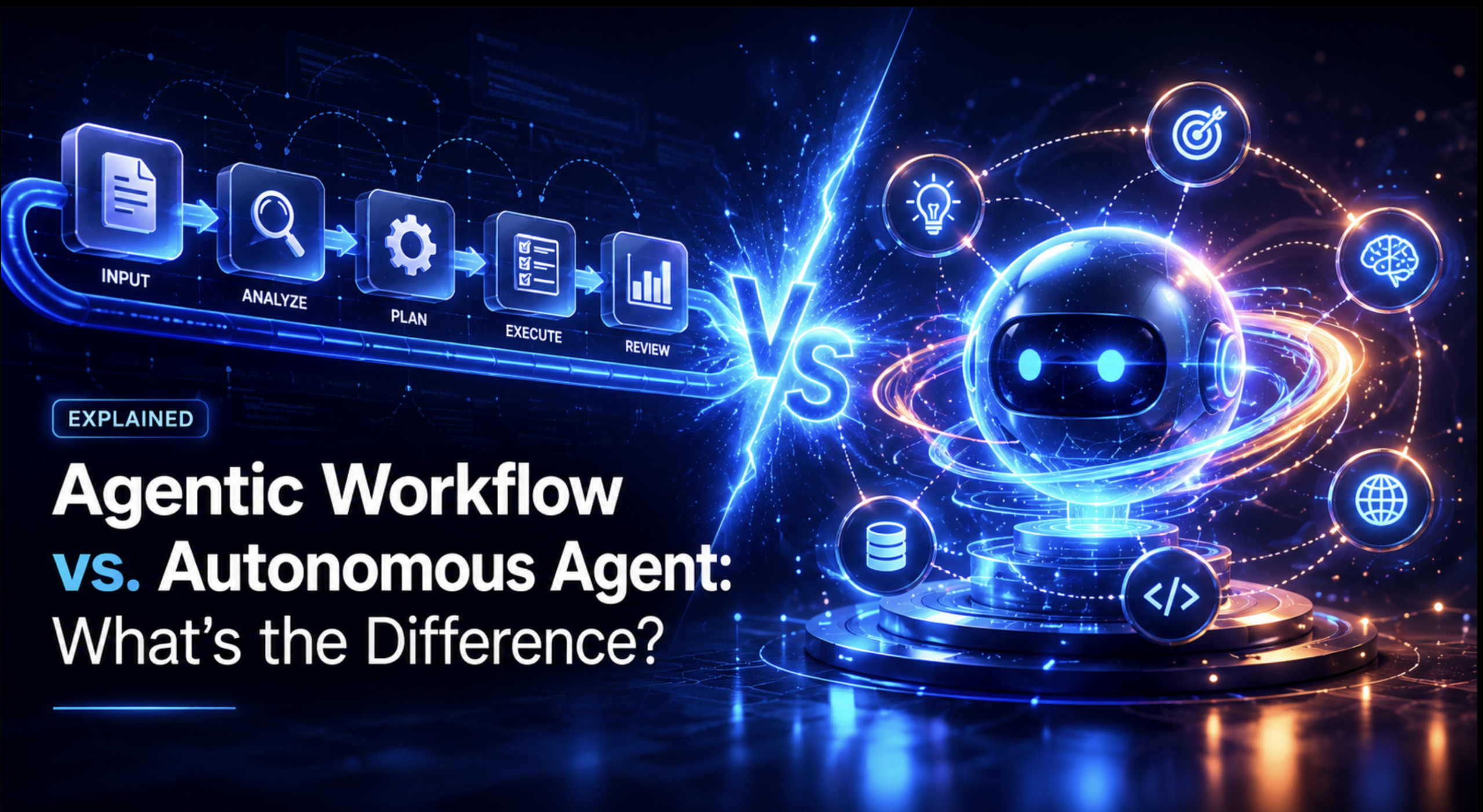
In this article, you will learn how to distinguish agentic workflows from autonomous agents by focusing on who owns control flow — a human writing code in advance, or a model reasoning at runtime.
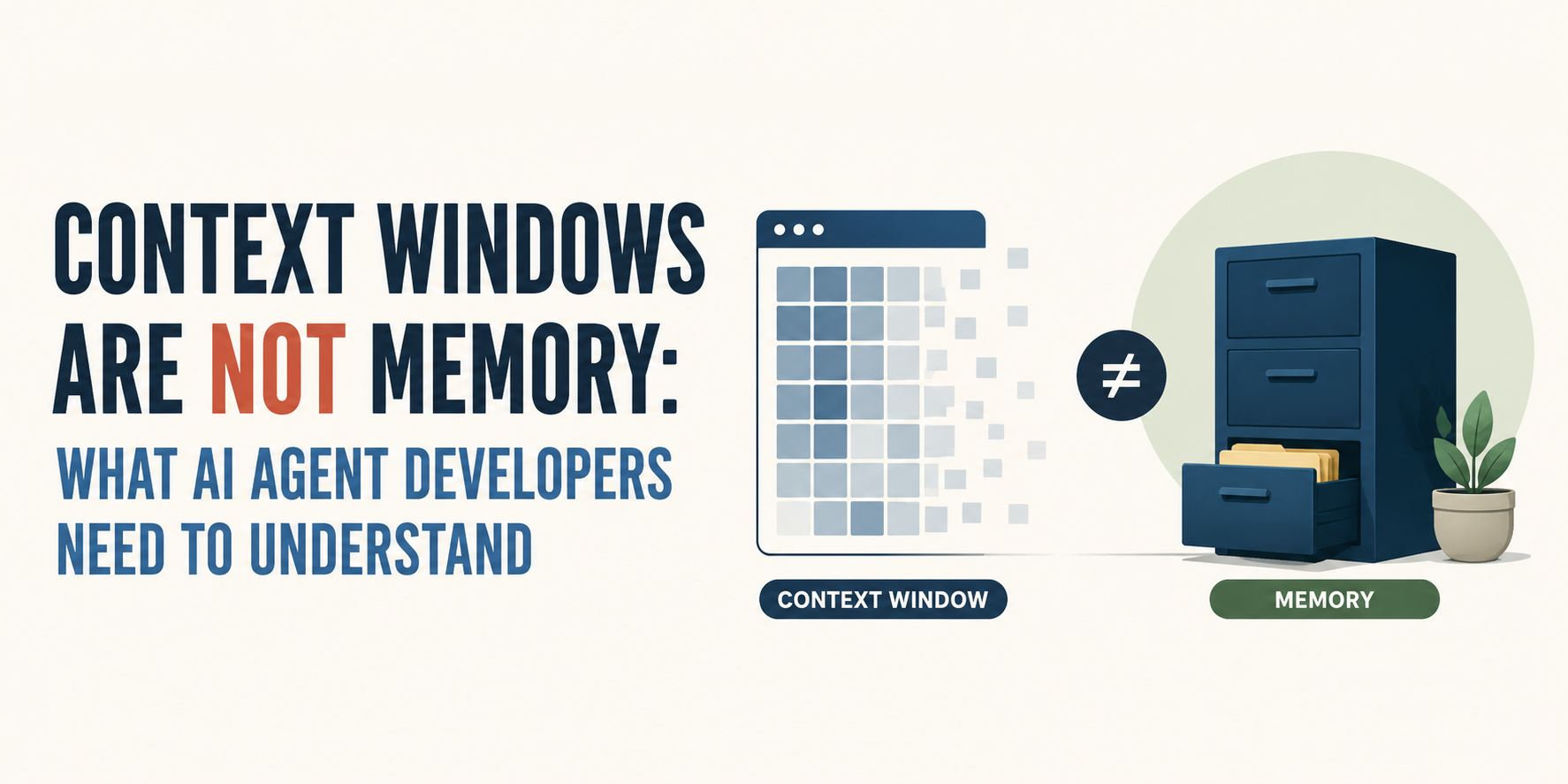
In this article, you will learn why a large context window is not the same thing as agent memory, and how techniques like retrieval, compression, and summarization fit together in an agent’s cognitive stack.
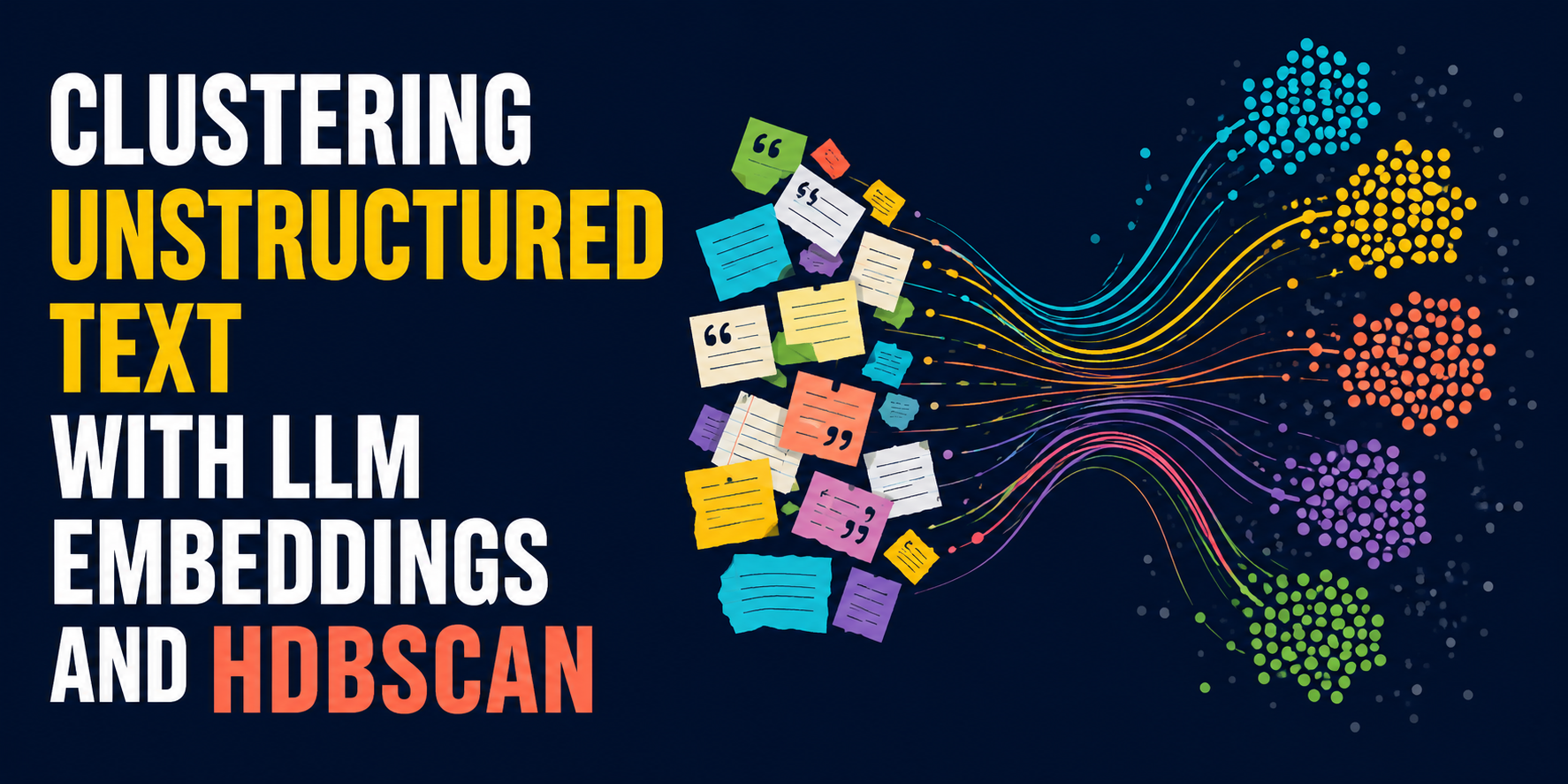
In this article, you will learn how to build a text clustering pipeline by combining large language model embeddings with HDBSCAN, a density-based clustering algorithm, to automatically discover topics in unlabeled text data.
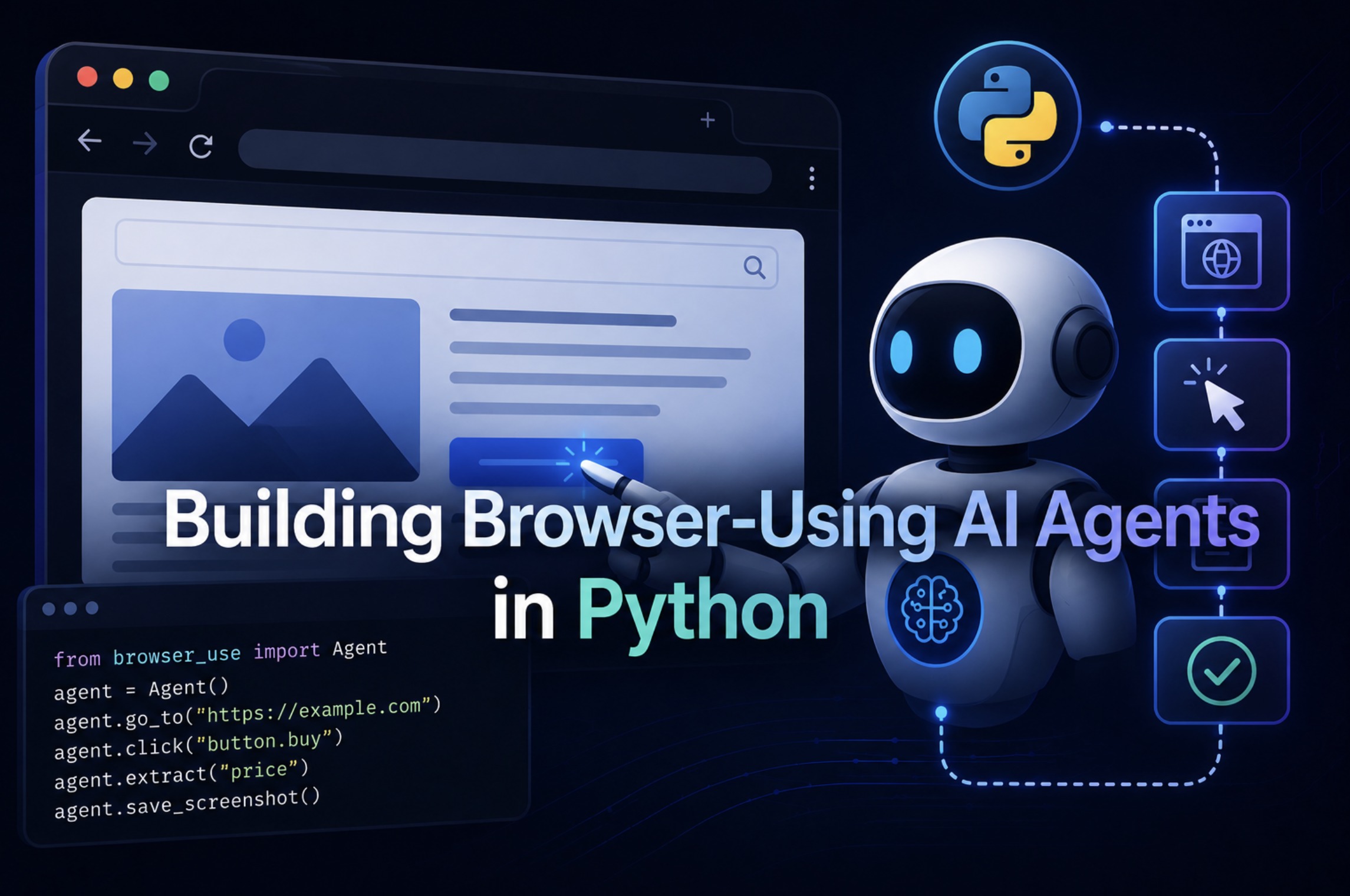
In this article, you will learn how to build AI agents that can browse and interact with real websites using Playwright, browser-use, and LangGraph.
In this article, you will learn how to evaluate AI agents rigorously by examining their full execution process rather than only their final outputs.