
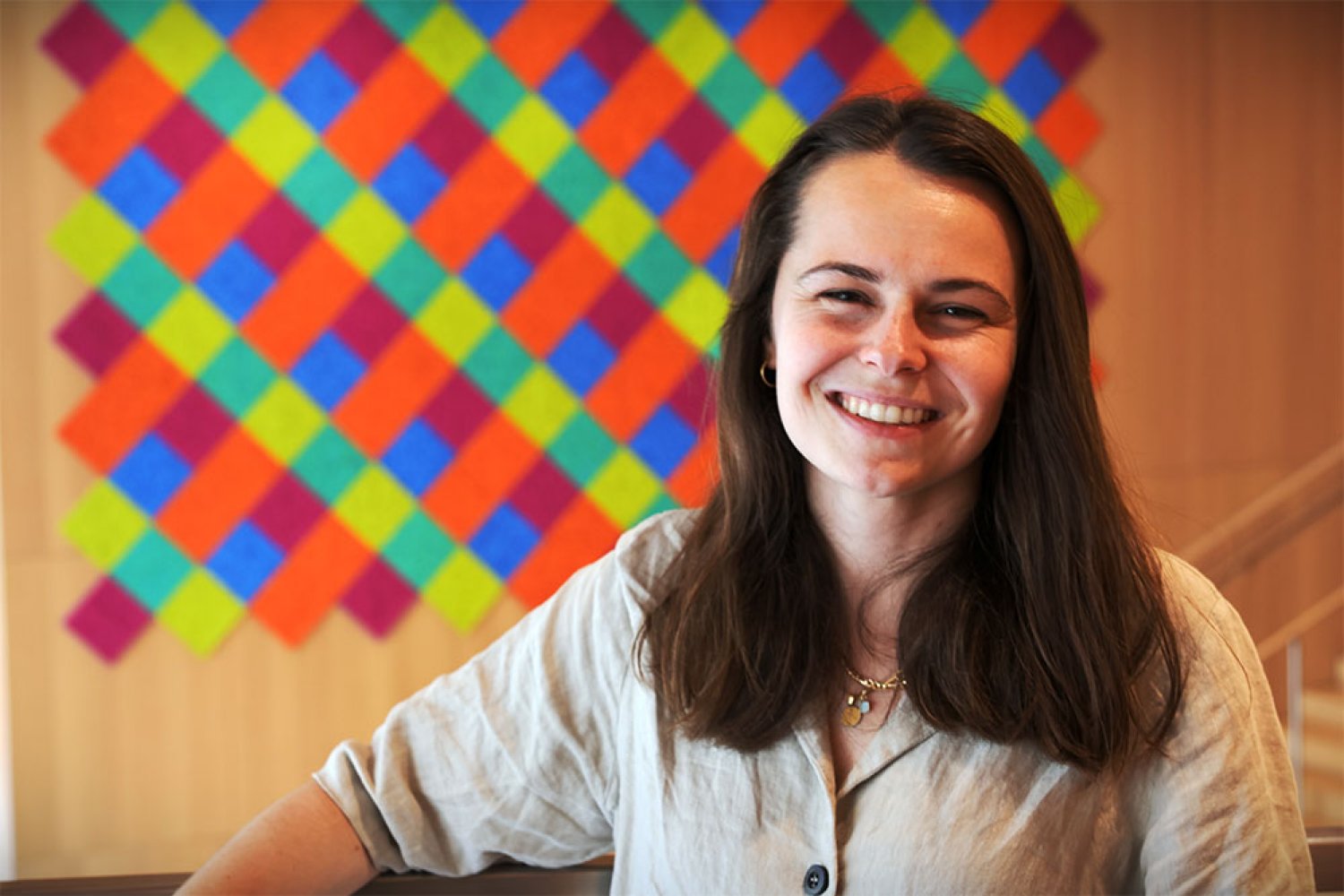
Following the questions where they lead
A profile of MIT Assistant Professor Bailey Flanigan explores how she develops complex computational methods for helping democracy thrive.
@mit-news-ai
Publisher
60
Posts
A profile of MIT Assistant Professor Bailey Flanigan explores how she develops complex computational methods for helping democracy thrive.
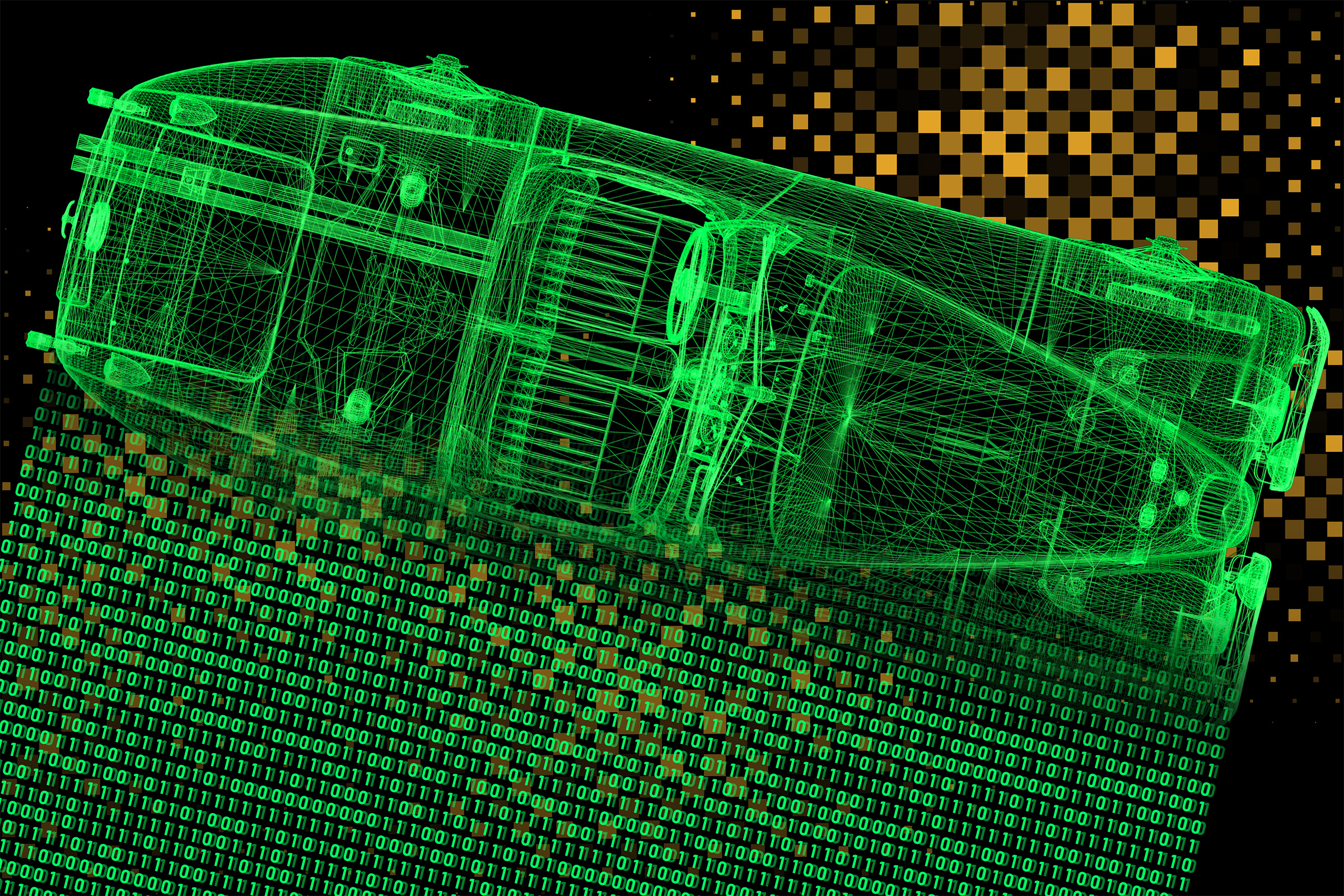
“GIFT” is a new system that teaches vision-language generative AI models to produce accurate, computer-aided design (CAD) programs that can be used to simulate and test 3D objects. The method is more accurate than competing techniques, using a fraction of the computation.
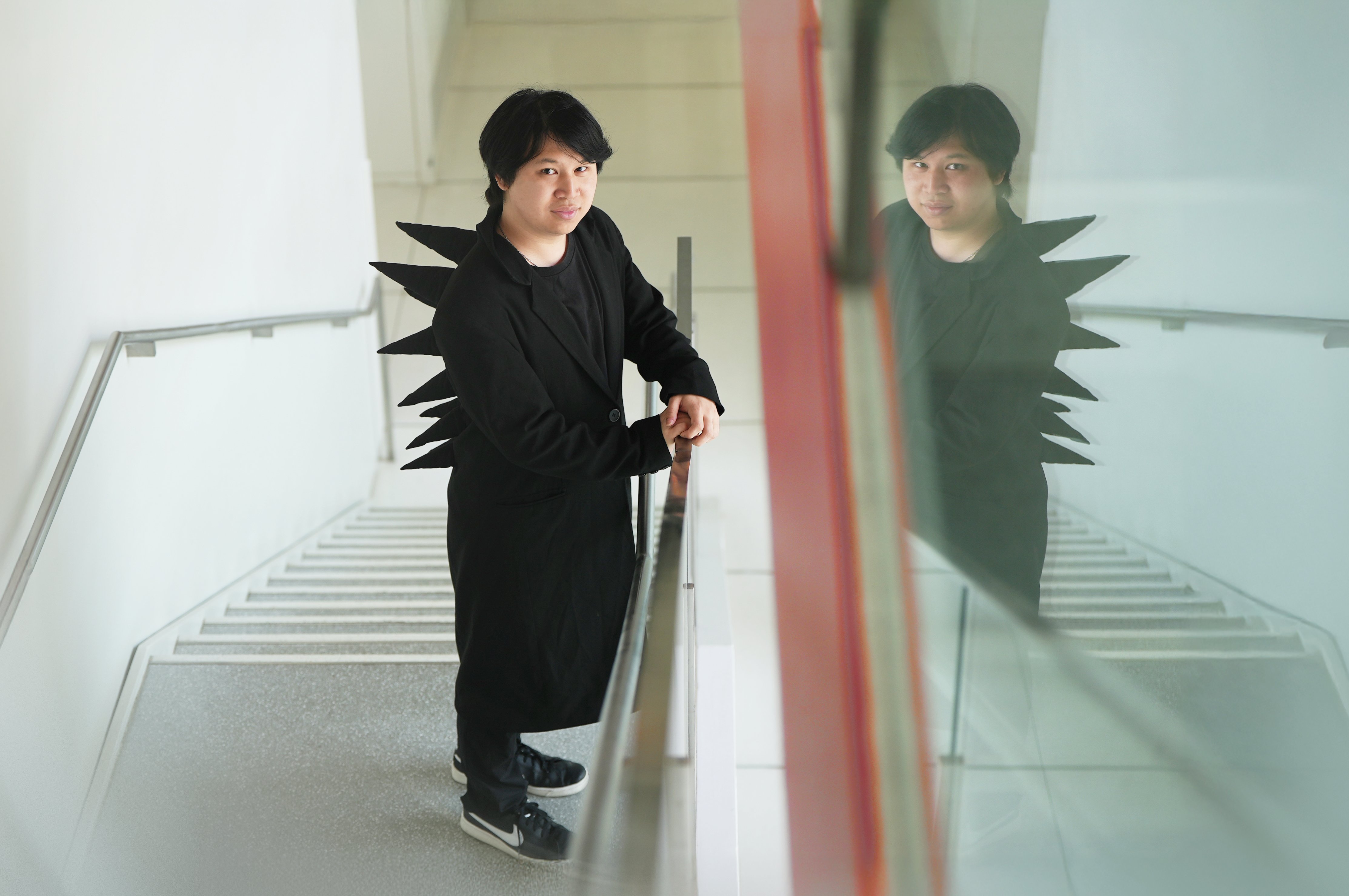
MIT Assistant Professor Pat Pataranutaporn describes a new interface that lets everyday users glimpse inside an AI's neural network before their chatbot ever says a word.
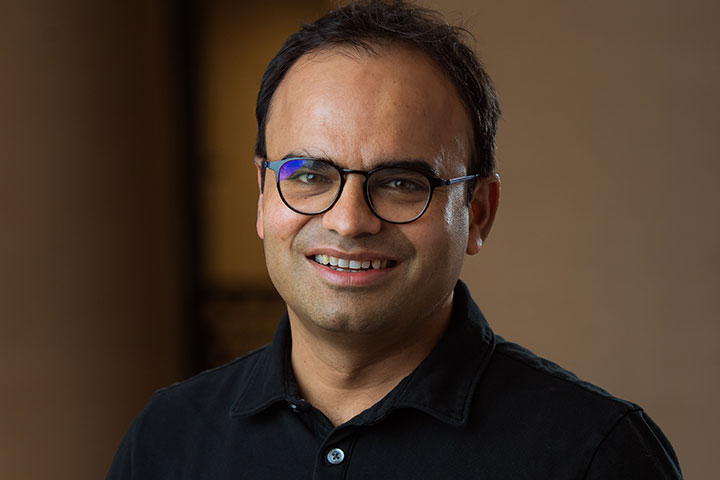
Through research and entrepreneurship, MIT Professor Devavrat Shah is helping to design methods that can handle constant decision-making using limited computational resources.
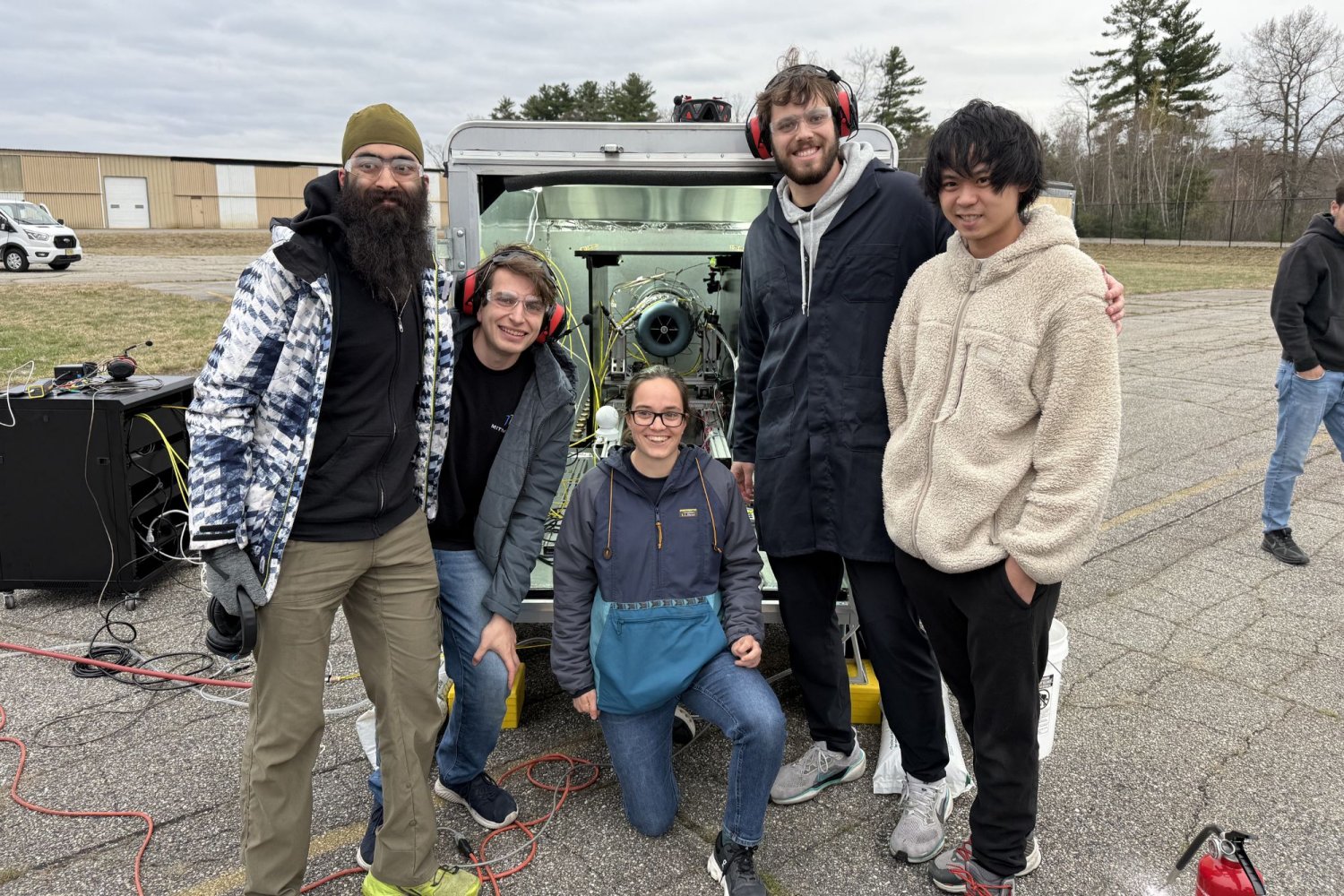
MIT's JARVIS Challenge (Jet-engine AI Research and Validation Intensive Sprint) is a new academic competition asking MIT students to explore whether AI can compress the design-build-test cycle so engineers can build faster and better.
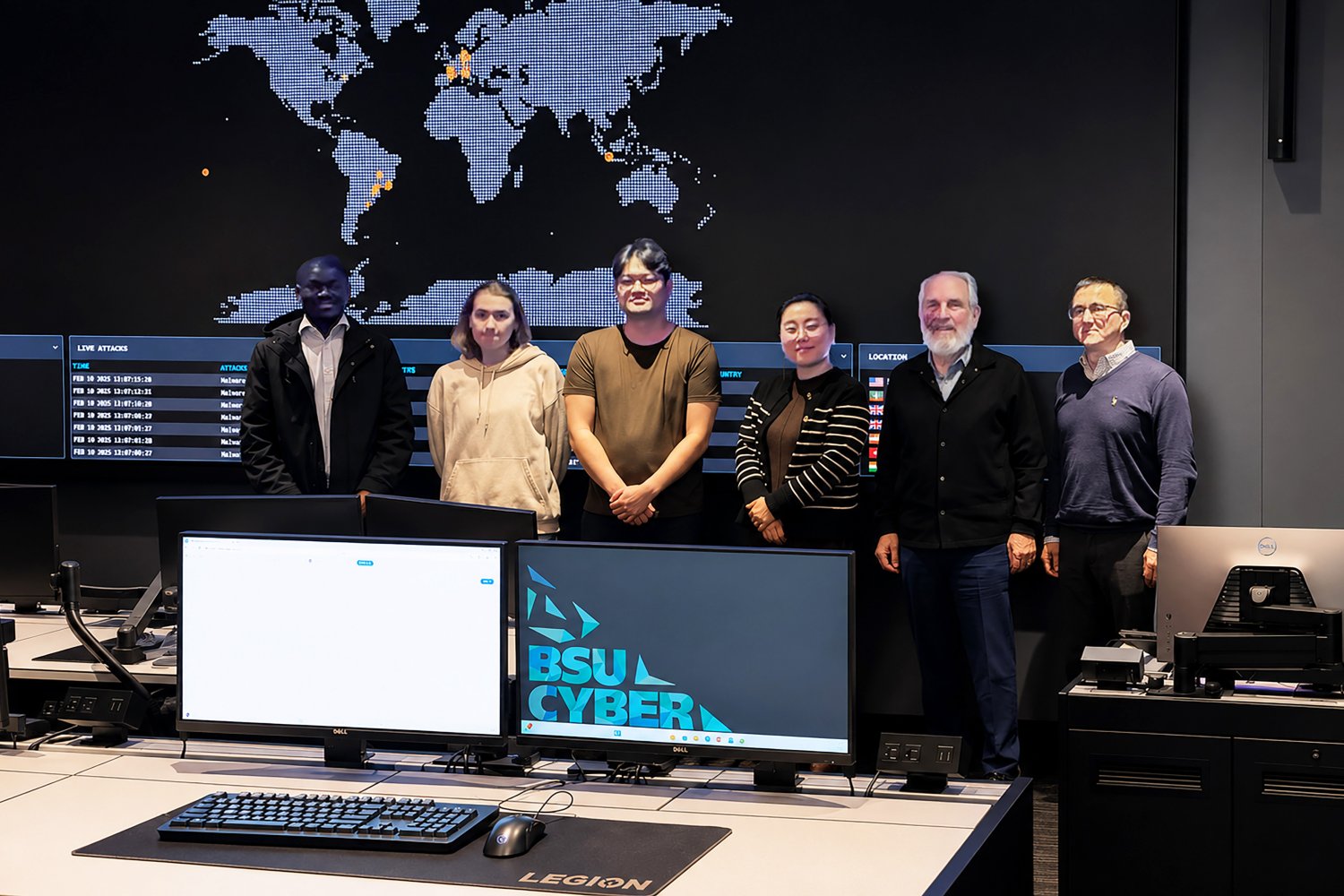
MIT's Cybersecurity Clinic helps local governments defend against digital threats. Students gain real-world experience through field assignments.

The “SceneSmith” system developed by MIT CSAIL researchers uses AI agents to generate lifelike scenes of indoor environments like kitchens and hotels to help robots simulate everyday chores. These 3D worlds are more realistic and diverse than prior attempts, helping engineers save more time on re...

Researchers developed an evaluation procedure that tests generative AI models for harmful capabilities without generating outputs. This could enable auditors to identify open-source models that have been adapted to produce illegal content, like child sexual abuse material (CSAM).
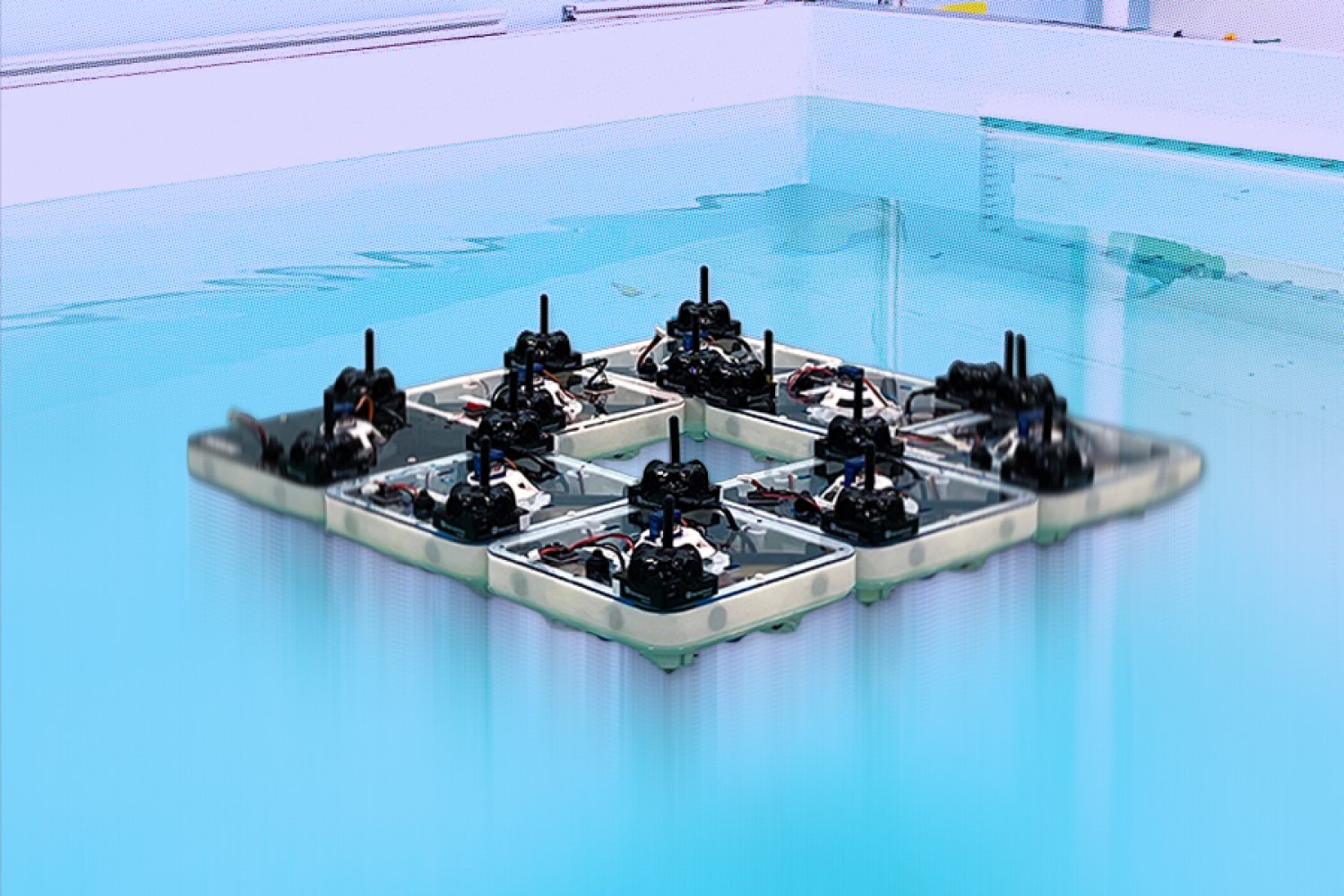
FloatForm, developed at MIT, is a swarm of small aquatic robots that assemble into reconfigurable structures. It could lead to floating infrastructure that builds itself into things like a temporary platform, a market, or a stage.

Through the DAF-MIT AI Accelerator Phantom Program, a U.S. Air Force cadet and an MIT Lincoln Laboratory researcher showed that AI chatbots can help nontechnical service members produce viable software applications for their unique problems.
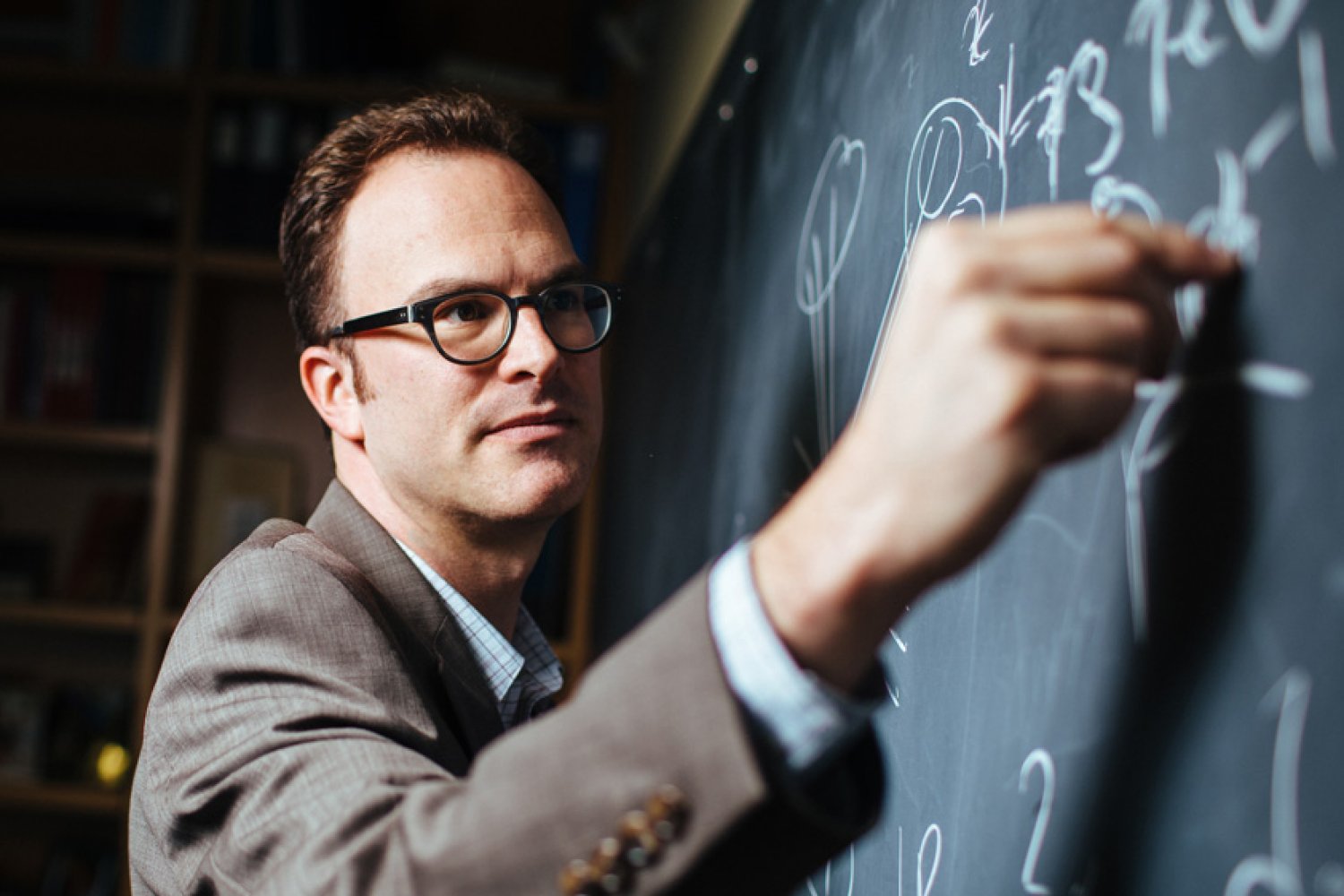
Jesse Thaler has been named director of the MIT Laboratory for Nuclear Science. Thaler is a theoretical particle physicist who combines techniques from quantum field theory and machine learning to address outstanding questions in fundamental physics.
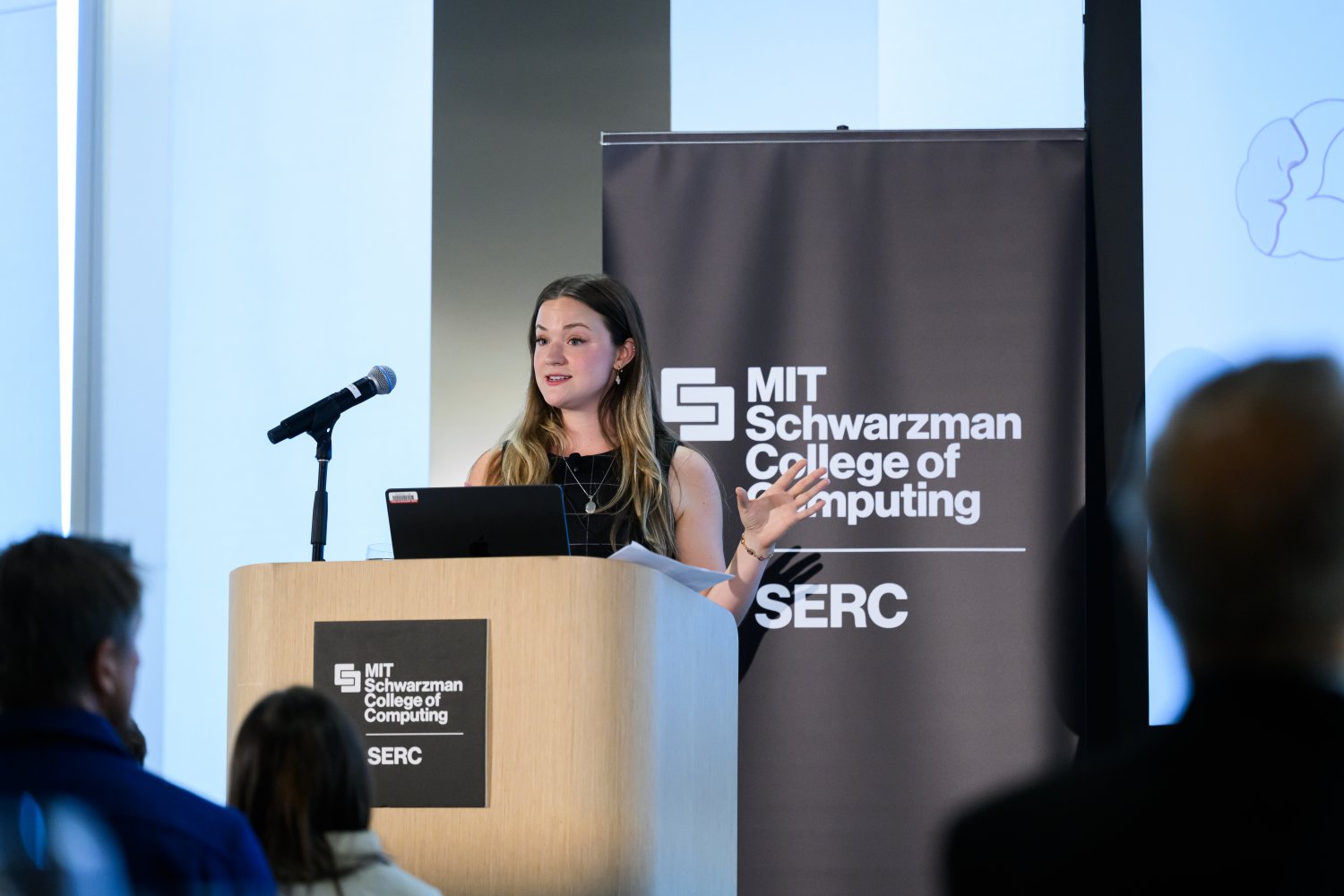
Rachel Sava, a PhD candidate in the Harvard-MIT Health Science and Technology program, won the Envisioning the Future of Computing Prize, for her submission on the benefits and risks of future neurotechnology advancements.

During a "Washington Post Live" panel discussion with ASU President Michael Crow, President Sally Kornbluth explored how universities are preparing the next generation of scientists to lead in America’s rapidly changing technological landscape.
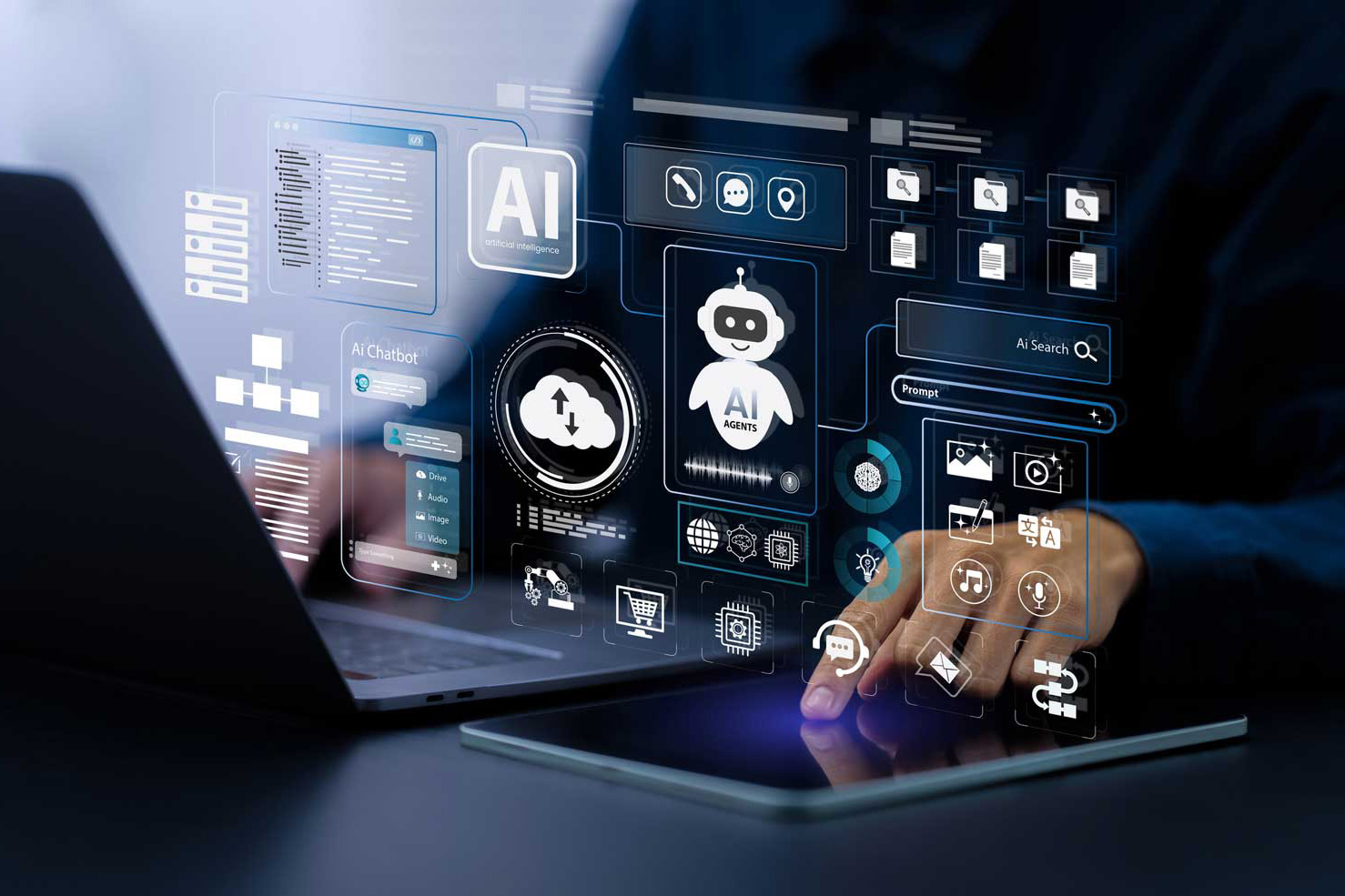
MIT Associate Professor Phillip Isola explains what agentic AI is, how these systems are used, what applications they are best suited for, and what the future may hold for this exploding technology.

The MIT Music Technology and Computation Graduate Program - launched in fall 2024 as a collaboration between Music and Theater Arts and the School of Engineering - presented its inaugural MIT Music Technology Research Showcase on May 13, 2026.
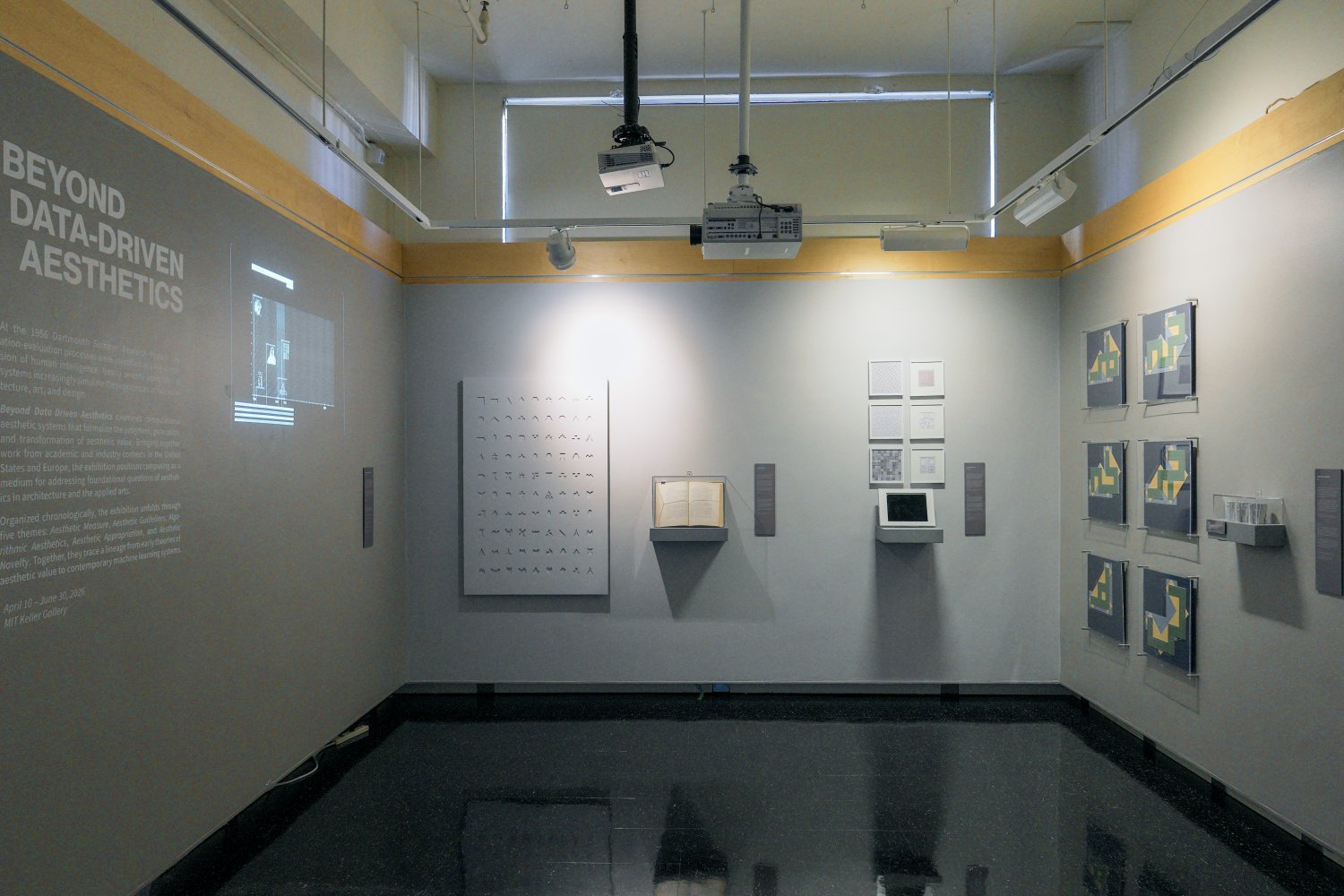
MIT Architecture alumnus and researcher Alexandros Haridis explores the history of computational aesthetics in “Beyond Data-Driven Aesthetics,” a Keller Gallery exhibition that translates algorithms, machine learning systems, and theories of aesthetic judgment into physical installations and inte...

Economist David Autor, the Daniel (1972) and Gail Rubinfeld Professor in the MIT Department of Economics, has been named head of the Department of Economics effective July 1, 2026.

MIT CSAIL's “Masked IRL” algorithm helps a robot understand ambiguous instructions so it does chores safely. An LLM first elaborates on users' prompts based on demonstration data, then another narrows down which details an algorithm should incorporate into a motion plan.

“Scientific American” showcases the history and future of America’s scientific engine, highlighting promising young scientists and icons at MIT and beyond.
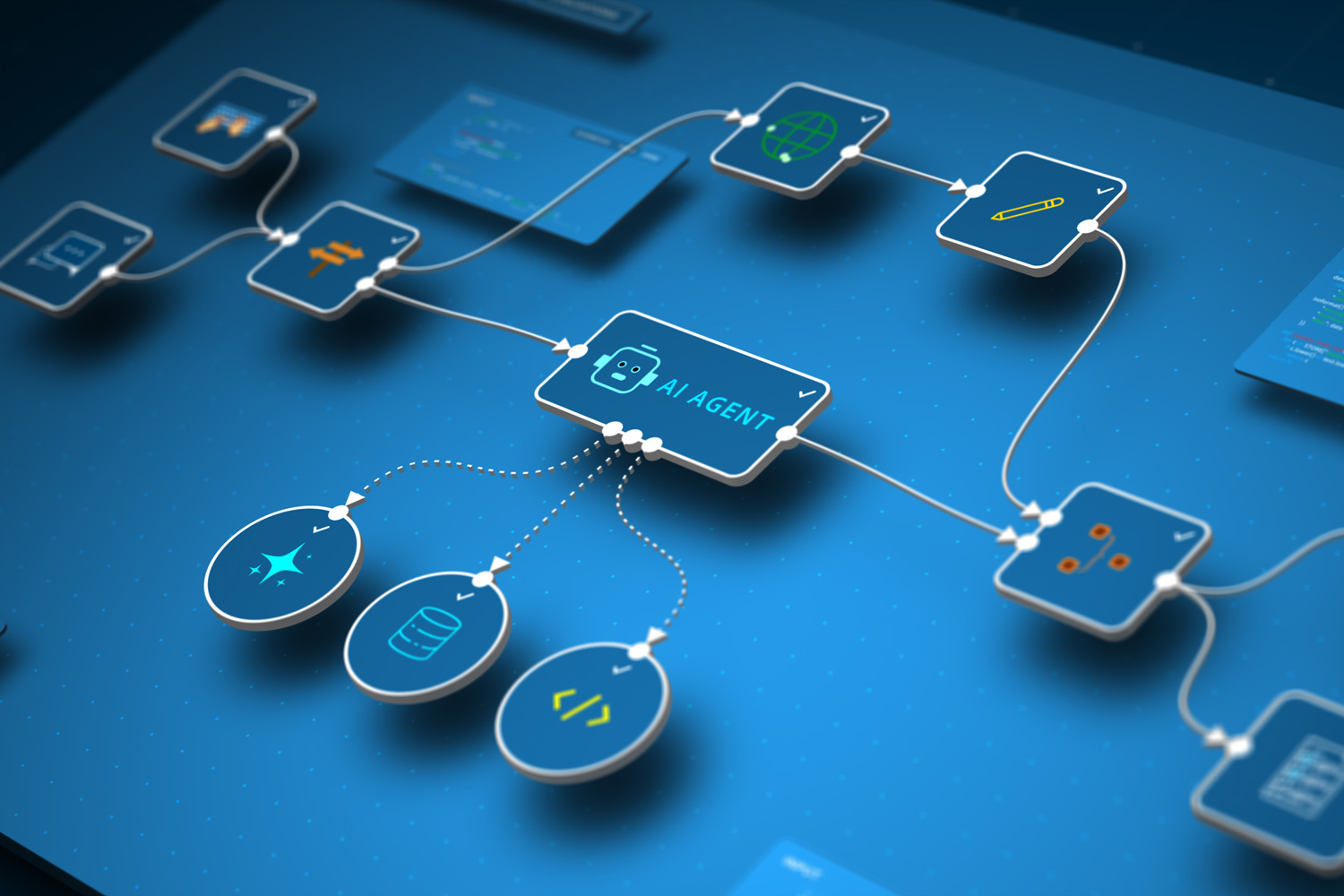
“Murakkab” is a new automated system that streamlines the design of agentic workloads for AI applications and optimizes their deployment for customers, reducing computation and cost while boosting energy efficiency.
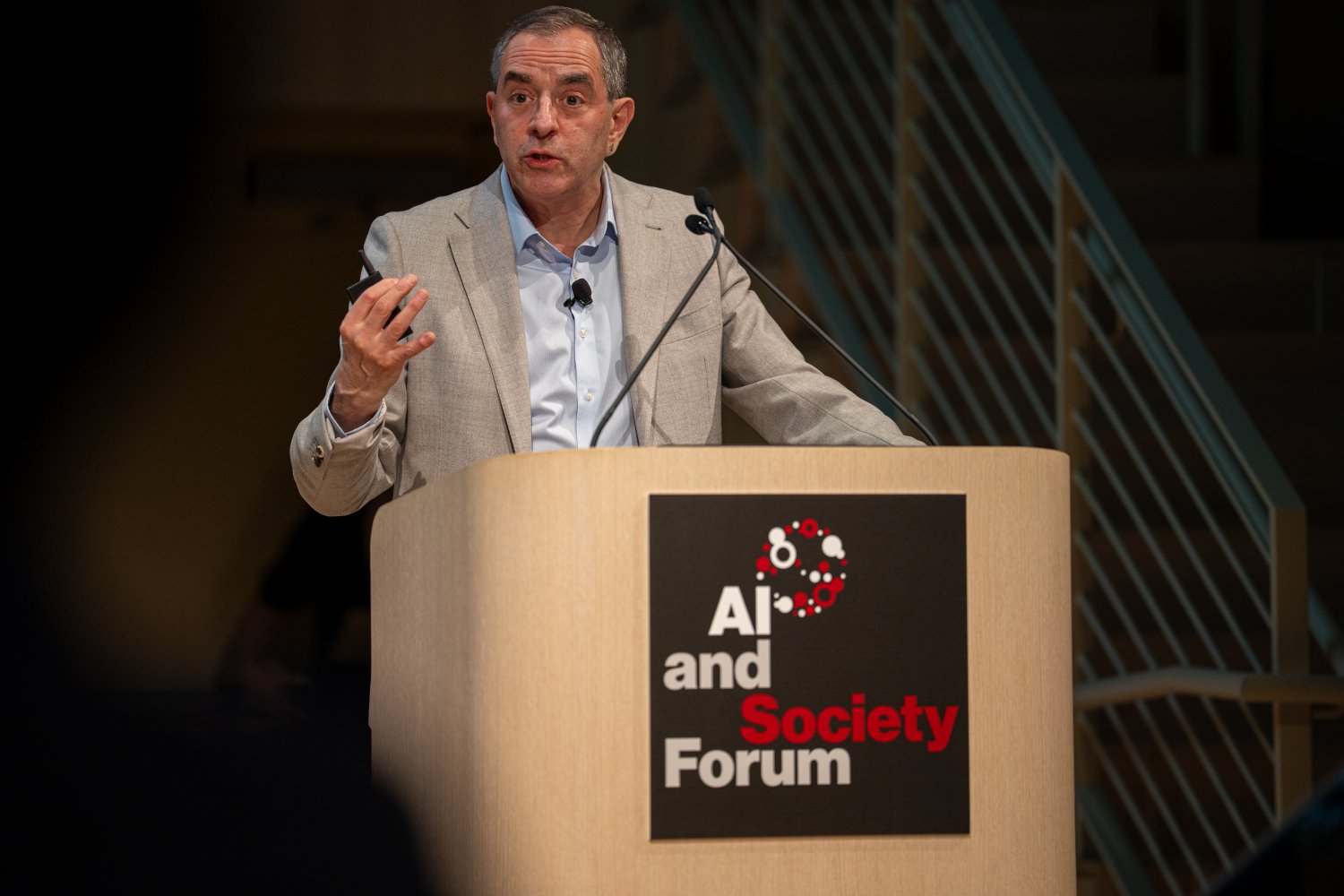
MIT's 2026 AI and Society Forum featured research and panel discussions focused on AI and its impacts on democracy, politics, and the workplace of the present and the future.

Gleanmer is a new system that can construct detailed 3D maps of a robot’s environment at high speed while operating at extremely low power. The advance could enable tiny devices to avoid obstacles and safely navigate in the real world.
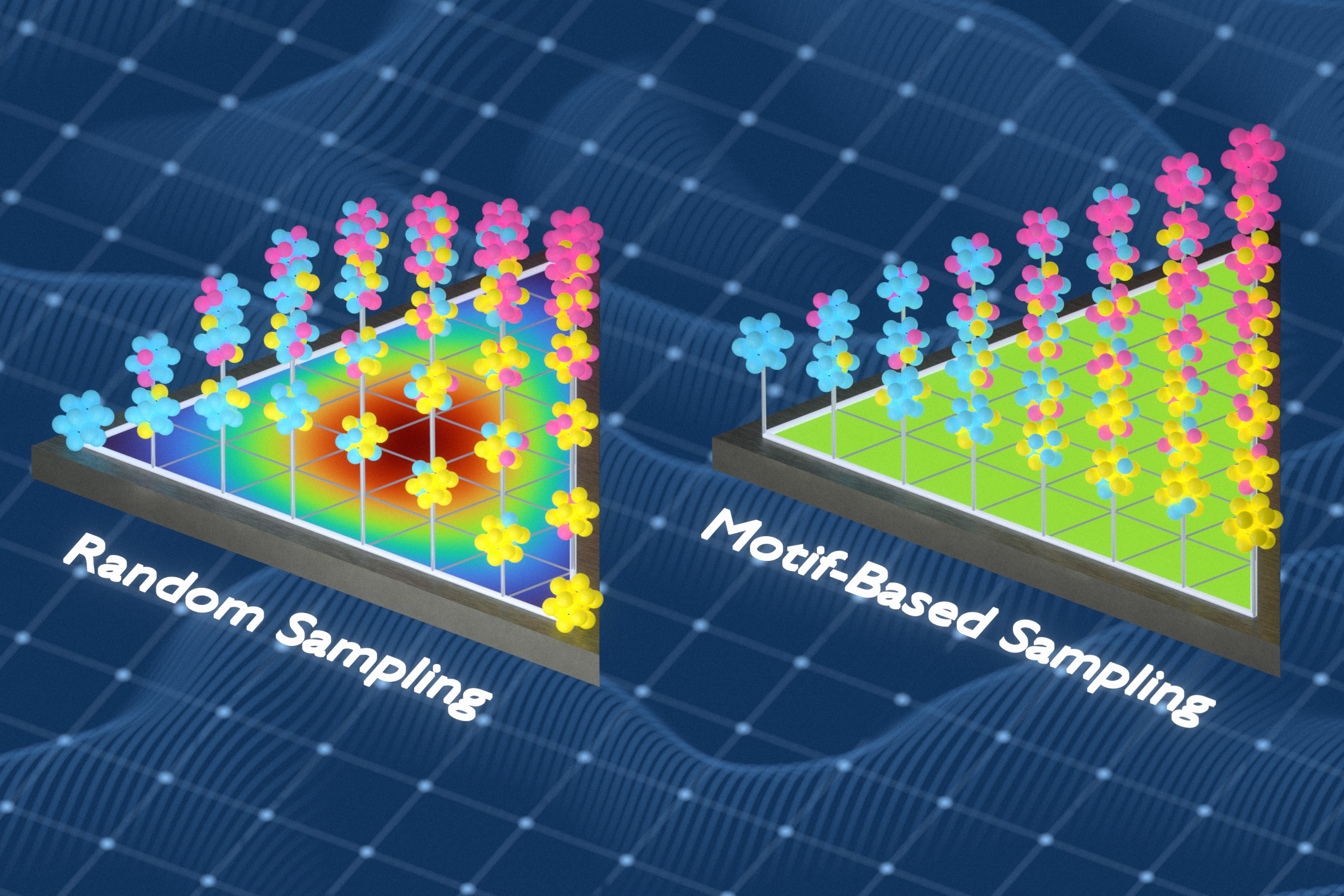
MIT researchers created a technique that captures chemical arrangements across materials to improve predictions of how metal alloys and other complex materials will behave.

Leaders, faculty across MIT discuss fostering innovation and talent in Greater Boston in special series of articles published alongside the outlet's annual list of 'Tech Power Players'
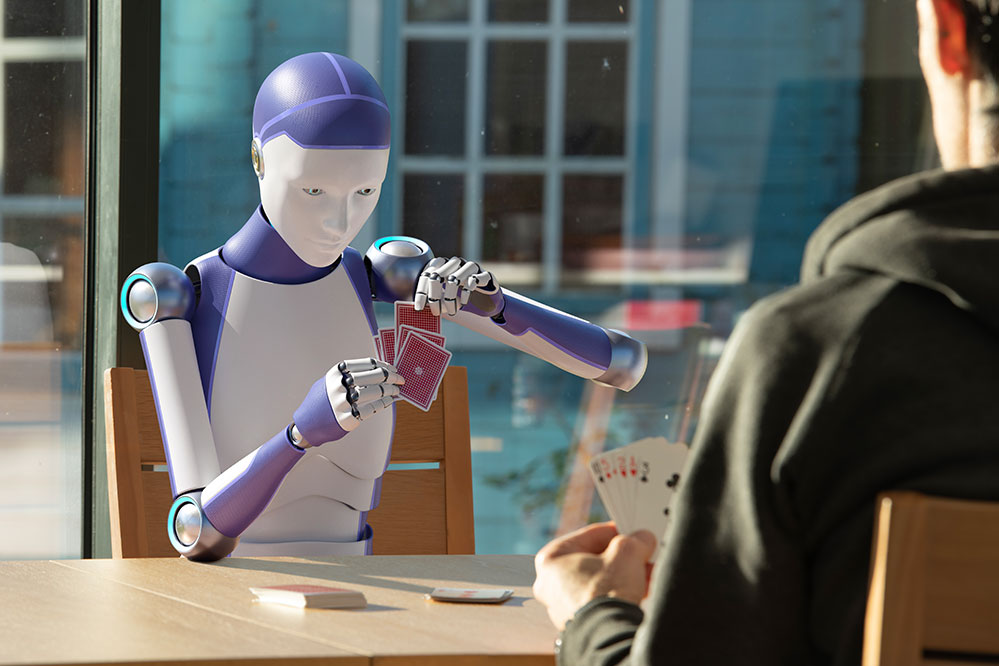
In a new paper, MIT LIDS researchers show that for certain kinds of games, an overlooked class of algorithms performs much better than expected against better-trained opponents.
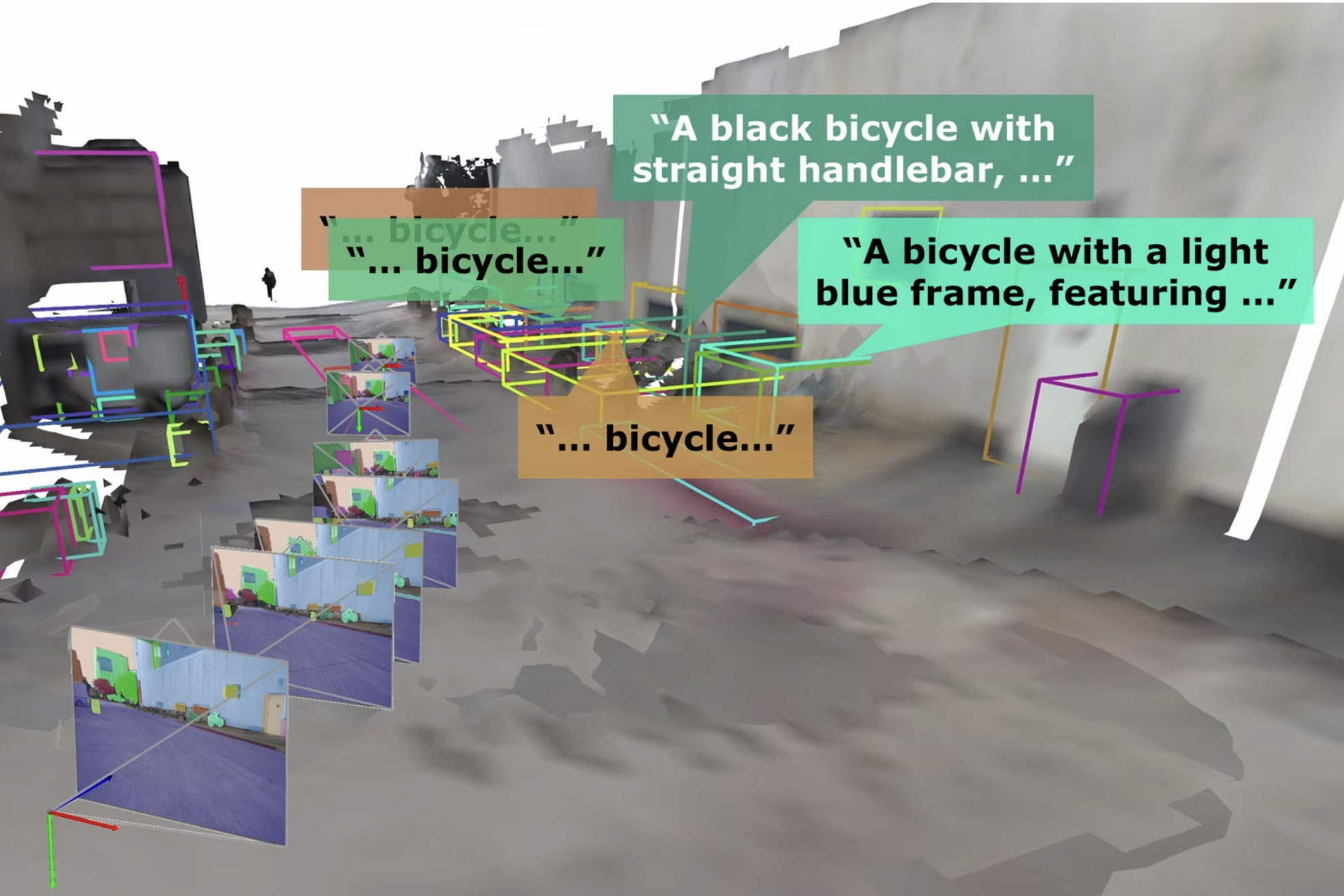
A new memory framework known as DAAAM enables a robot to rapidly recall rich descriptions and precise locational information about objects it encountered while exploring its environment. This efficient approach could help an autonomous agent quickly answer complex queries about its environment in...
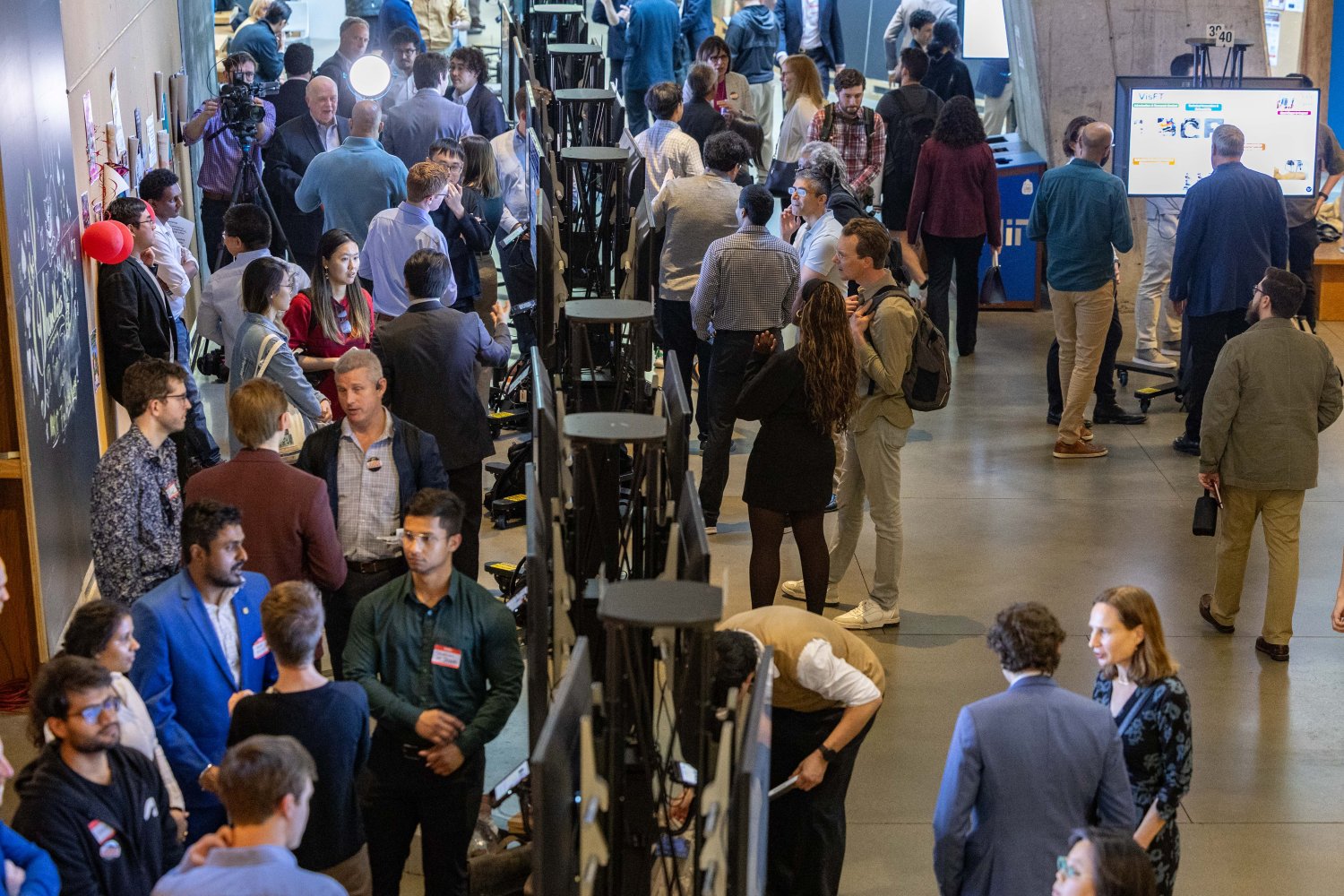
MIT’s Initiative for New Manufacturing (INM) is advancing research, workforce development, and industry collaboration to accelerate new manufacturing technologies, strengthen industrial competitiveness, and help shape the future of manufacturing in the United States.
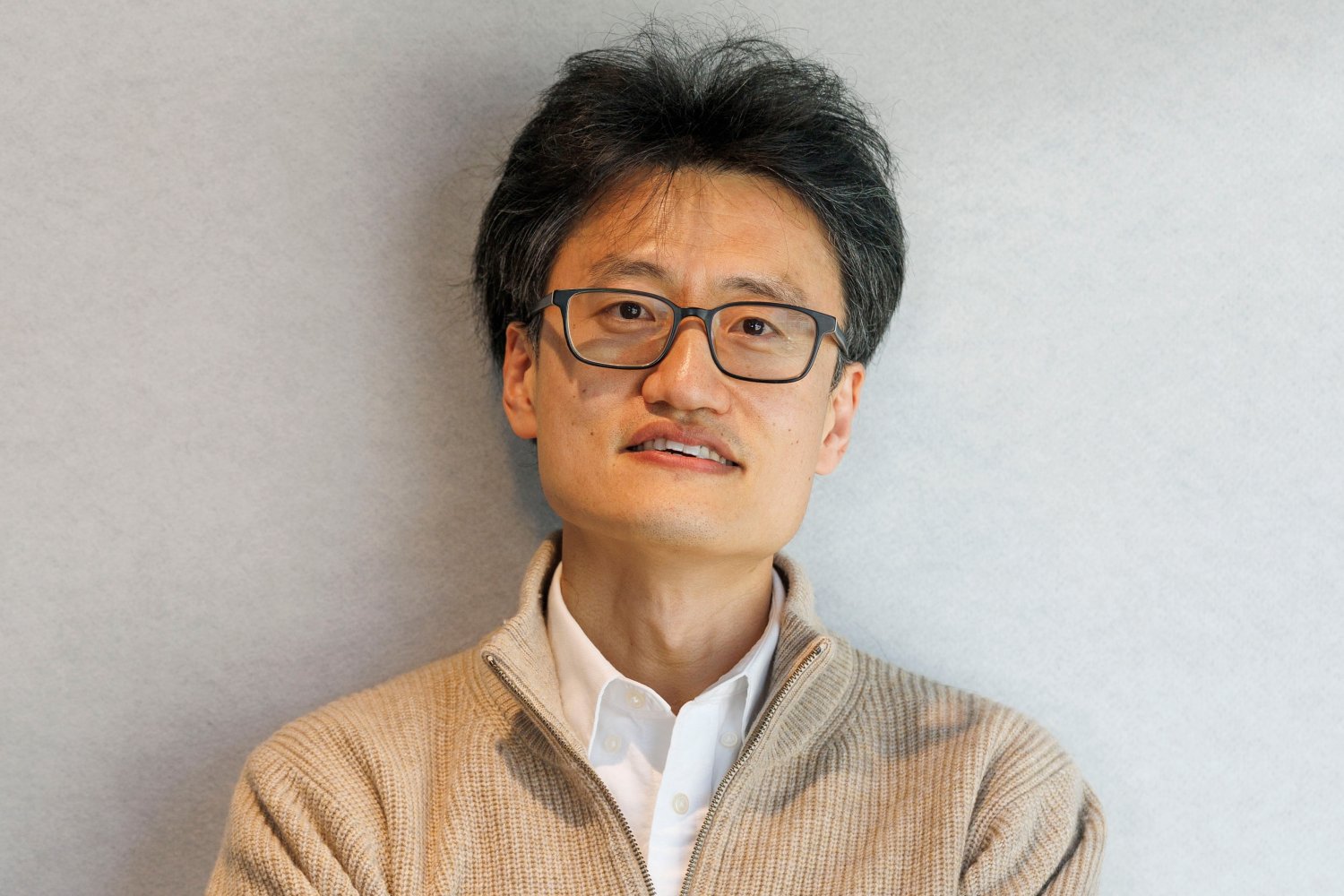
MIT Professor Jinhua Zhao, a noted scholar and transportation planner, has been appointed head of the MIT Department of Urban Studies and Planning.
An MIT team proved that it is impossible to get information about correlations from two-way comparisons alone. Correlations can be discerned, however, when large numbers of people rate three alternatives in their order of preference.
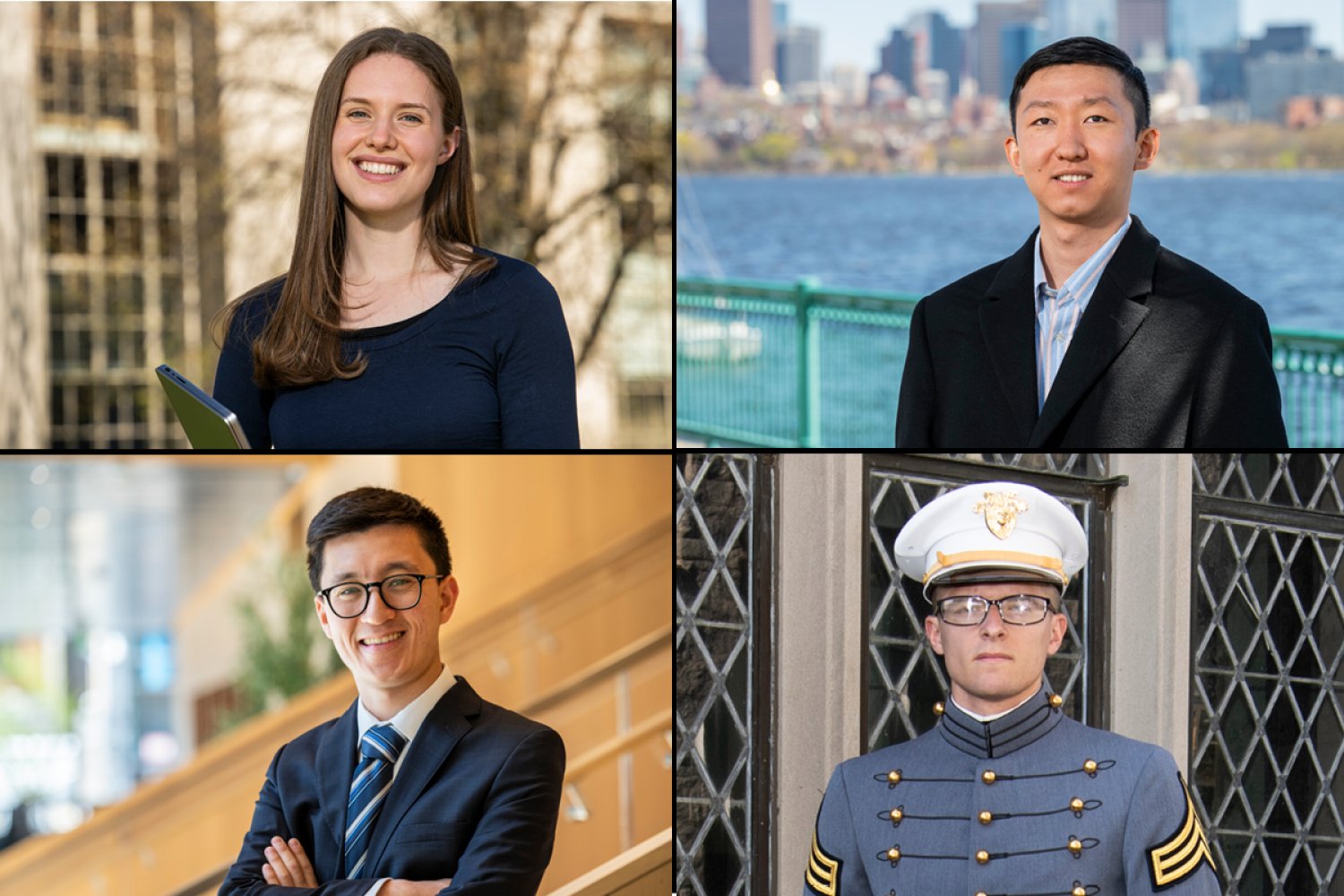
Three MIT students and an incoming graduate student have won 2026 Hertz Foundation Fellowships. The fellowships in applied sciences, engineering, and mathematics recognize doctoral students who are pursuing solutions to the most pressing challenges in science and technology.

The startup Ferveret, founded by MIT Associate Professor Matteo Bucci and former MIT postdoc Reza Azizian, reduces the energy required to cool chips in data centers that power AI.

Research from the MIT Media Lab found that, over the course of a month, participants who relied on AI systems to verify facts actually got worse at detecting misinformation on their own when their chatbots were taken away.
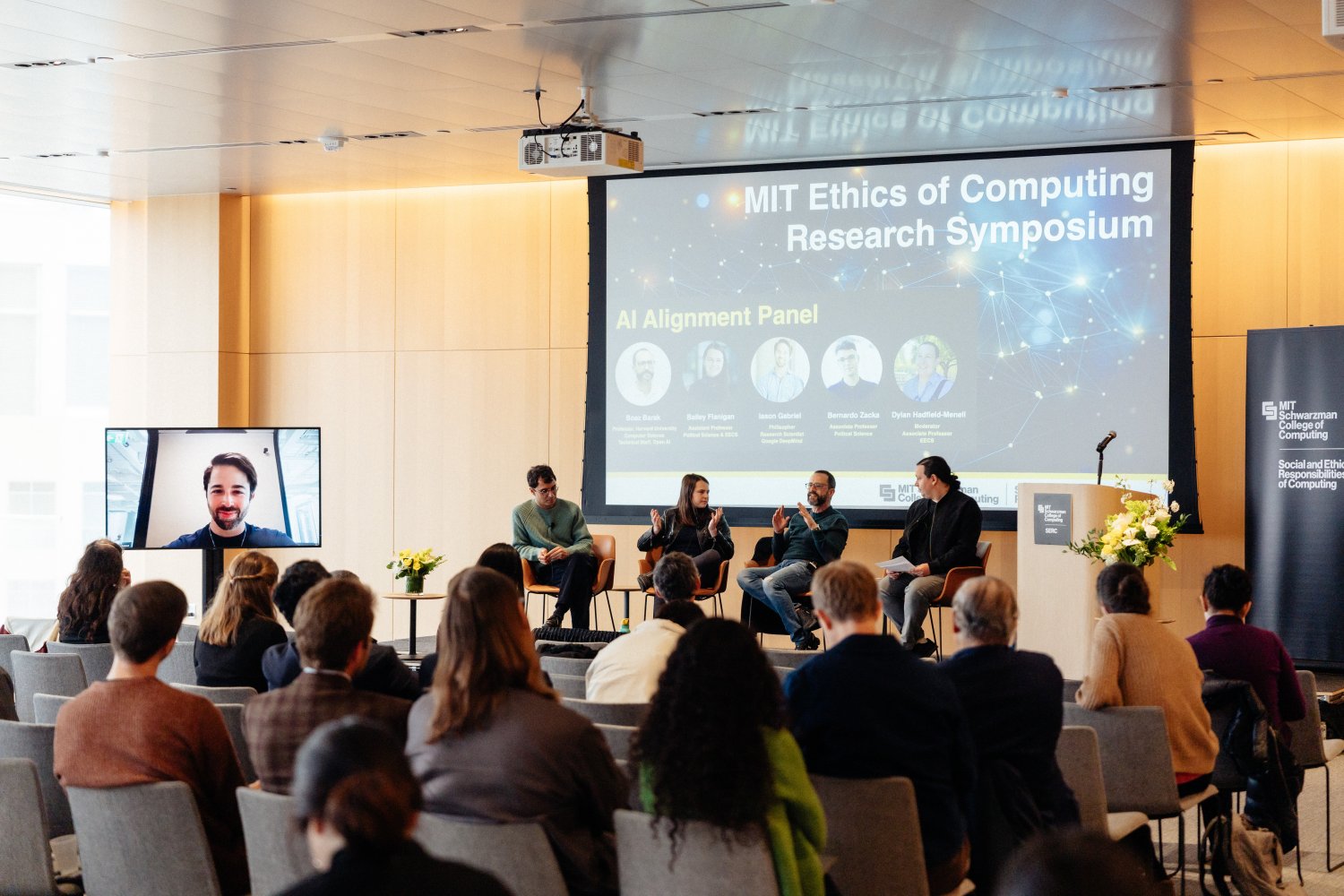
The MIT Ethics of Computing Research Symposium brings together experts and researchers working at the heart of ethical and social impact in technology.

MIT and collaborators announced PATH (Pathways for AI Training and Hiring) to scale industry-aligned AI training for entry-level and current workers, with focus on transforming community colleges into engines powering an AI-enabled workforce.

The MIT-led Institute for Artificial Intelligence and Fundamental Interactions (IAIFI) has received renewed support from the National Science Foundation for an additional five years.
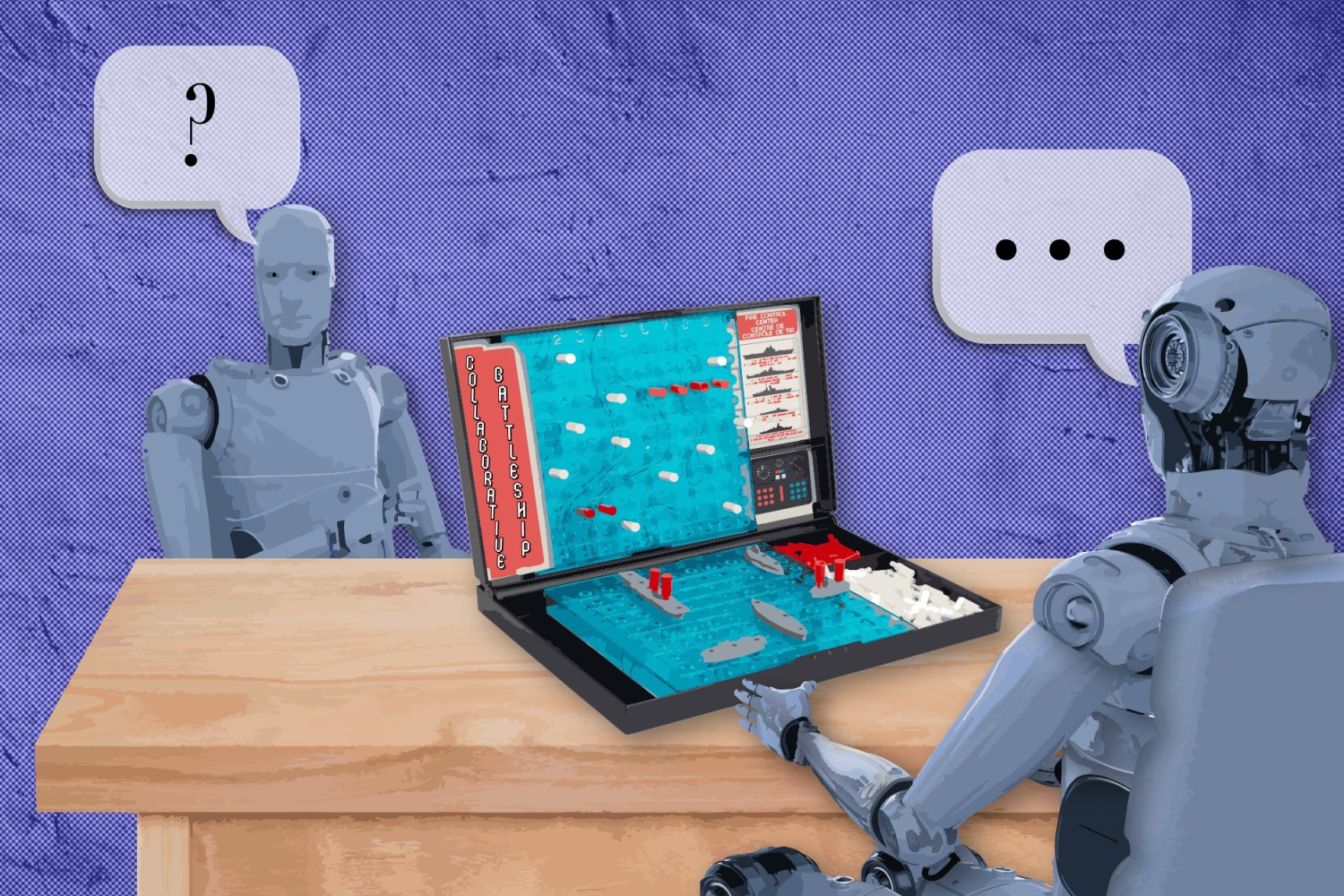
AI models played “Collaborative Battleship” together and struggled to ask informative questions about hidden ships. A Monte Carlo inference strategy helped small agents carefully consider each inquiry to outperform larger systems at a fraction of the cost.

Tod Machover received the George Peabody Medal for Outstanding Contributions to Music and Dance in America — the highest honor bestowed by the Peabody Institute of the Johns Hopkins University.

Researchers used a novel data generation pipeline to build ChartNet, a large synthetic dataset of chart images paired with corresponding information. They used this training dataset to improve the performance of generative AI models at challenging tasks like data extraction and chart reconstructi...
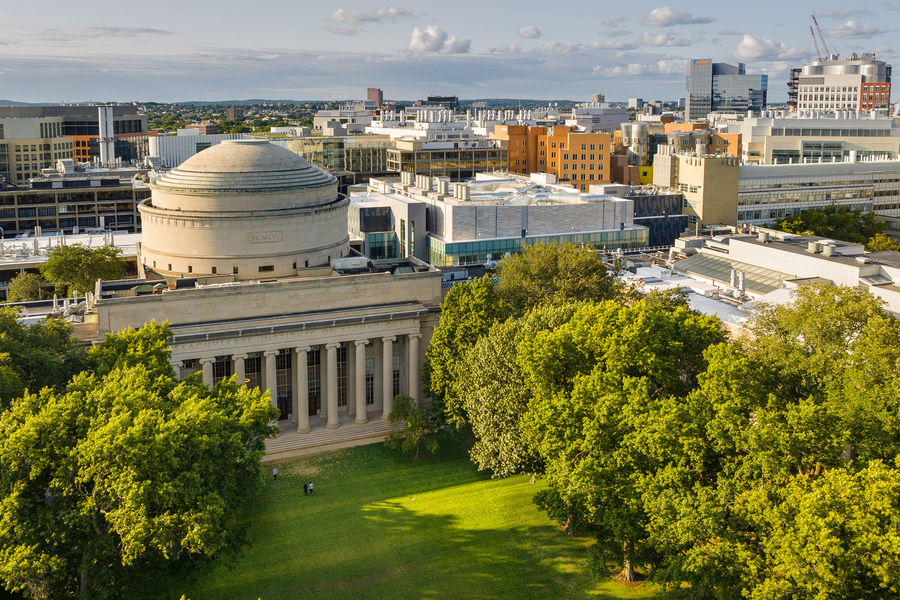
With $25 million investment from the Commonwealth of Massachusetts, MIT to build a new shared-use facility to serve as a statewide quantum toolbox.
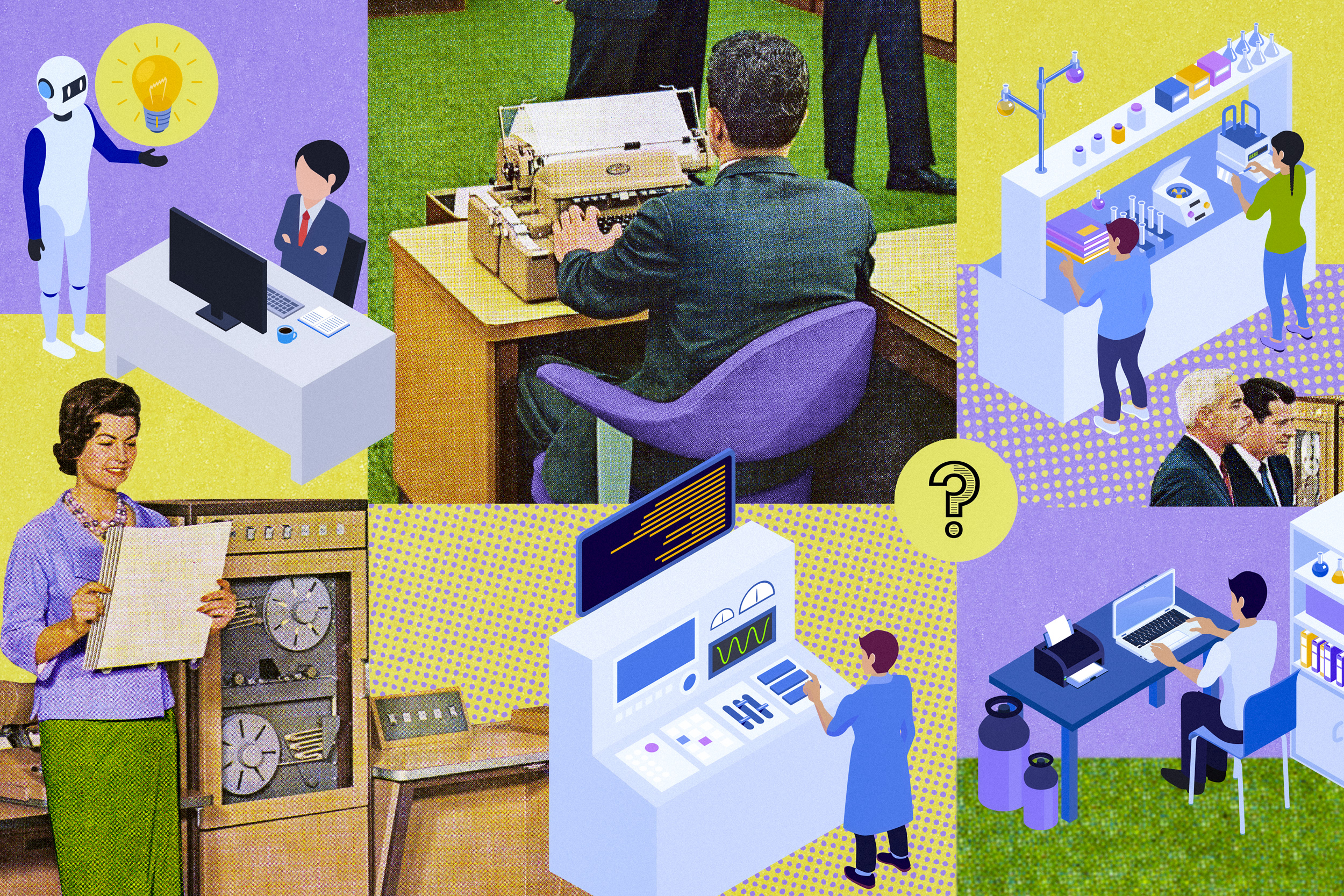
New tech-enabled jobs have historically been filled by young, college-educated workers, and a lot of innovation-based new work is driven by demand, according to a new study of the postwar U.S.
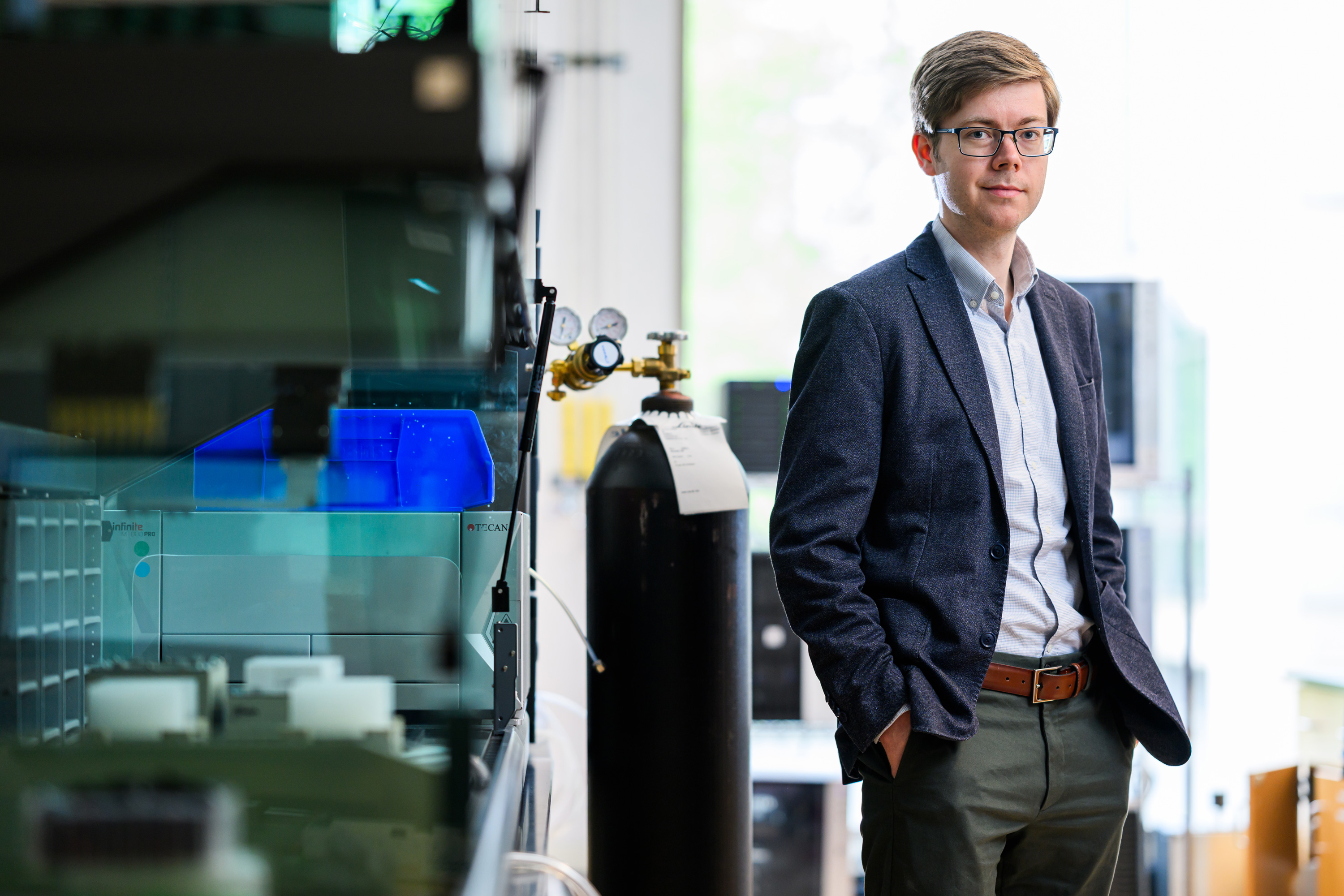
MIT Associate Professor Connor Coley develops and deploys computational models to design new chemical compounds and predict reaction pathways that could generate those compounds.

Justin Solomon, associate professor in the MIT Department of Electrical Engineering and Computer Science, has been appointed associate dean of engineering education in the MIT School of Engineering.

MIT master's student Sunshine Jiang and alumnus Rupert Li are recipients of the 2026 Knight-Hennessy Scholarship program. They will receive funding to support their graduate studies at Stanford University.

Universal AI is a new a self-paced online program from MIT Open Learning designed to take non-technical learners from beginner to AI fluency. Covering basic programming, foundational AI concepts, and industry applications, the first course is available for free worldwide on MIT Learn.
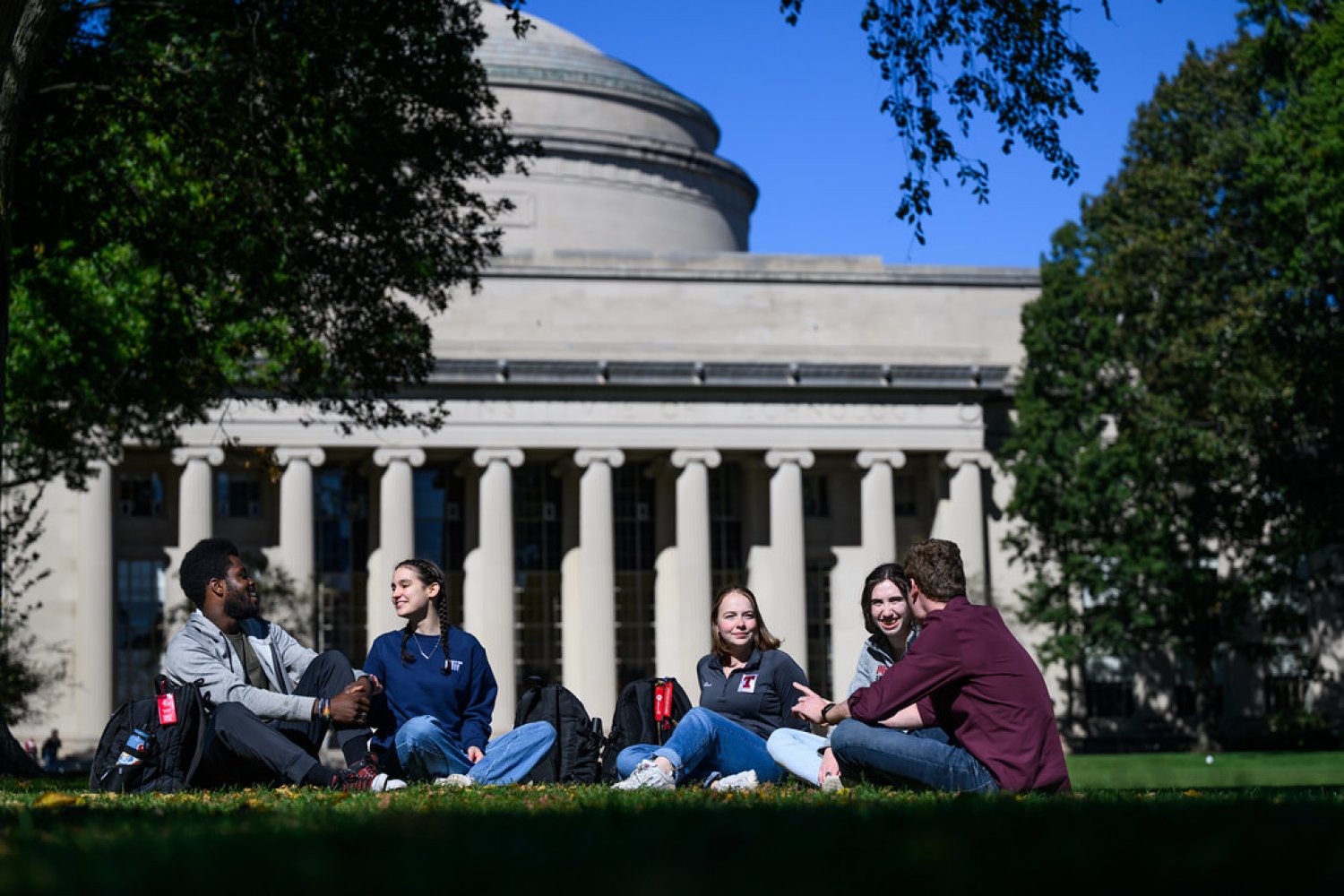
Universal Learning is a new MIT Open Learning initiative preparing global learners to tackle complex challenges through interdisciplinary thinking. Combining MIT faculty expertise with AI-powered tools, its modular programs are designed to be accessible, flexible, and practical.
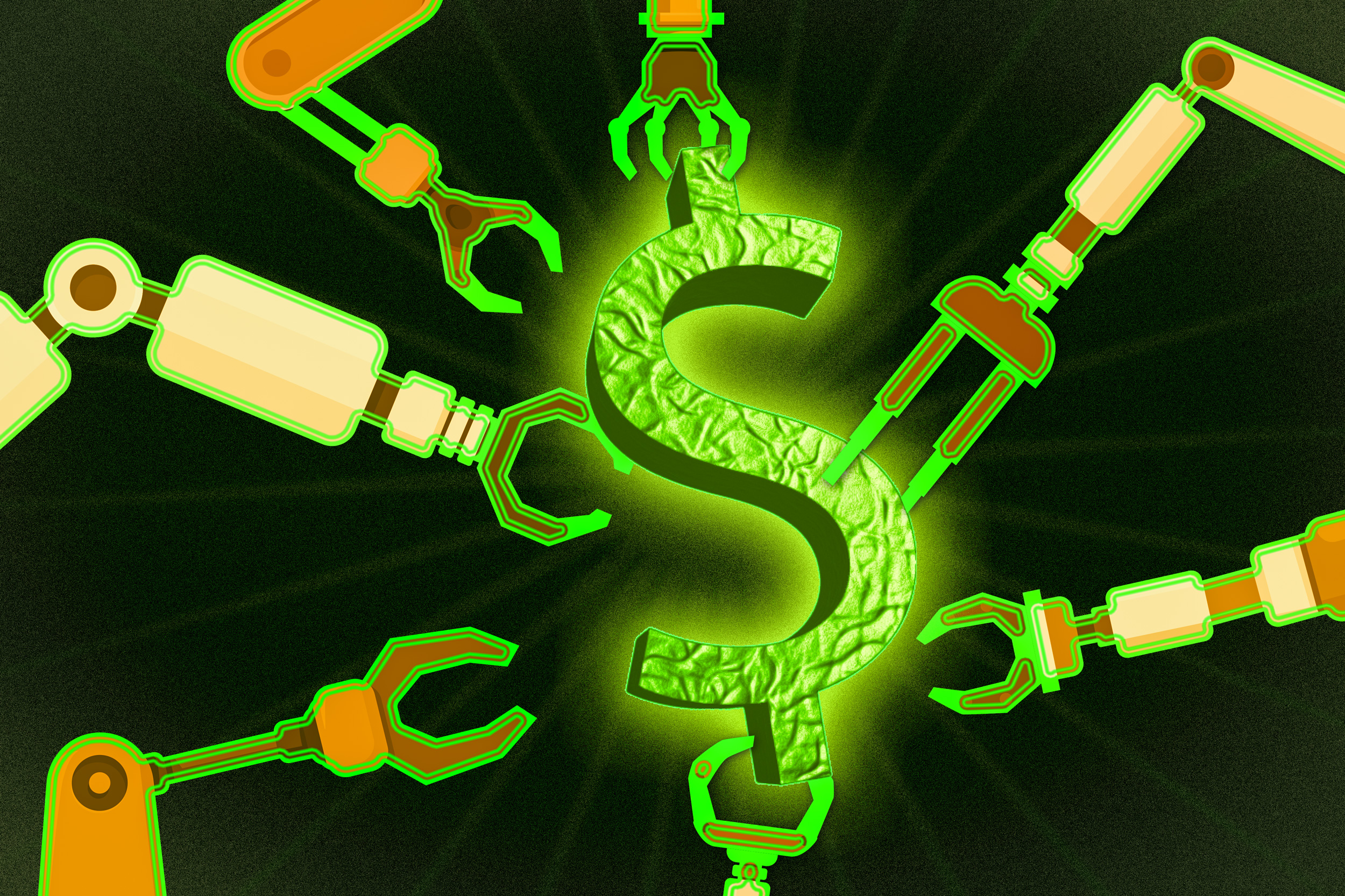
A new study shows that rather than use automation to pursue maximal efficiency, U.S. firms have often used it to replace employees who enjoy a “wage premium,” earning higher salaries than other comparable workers.
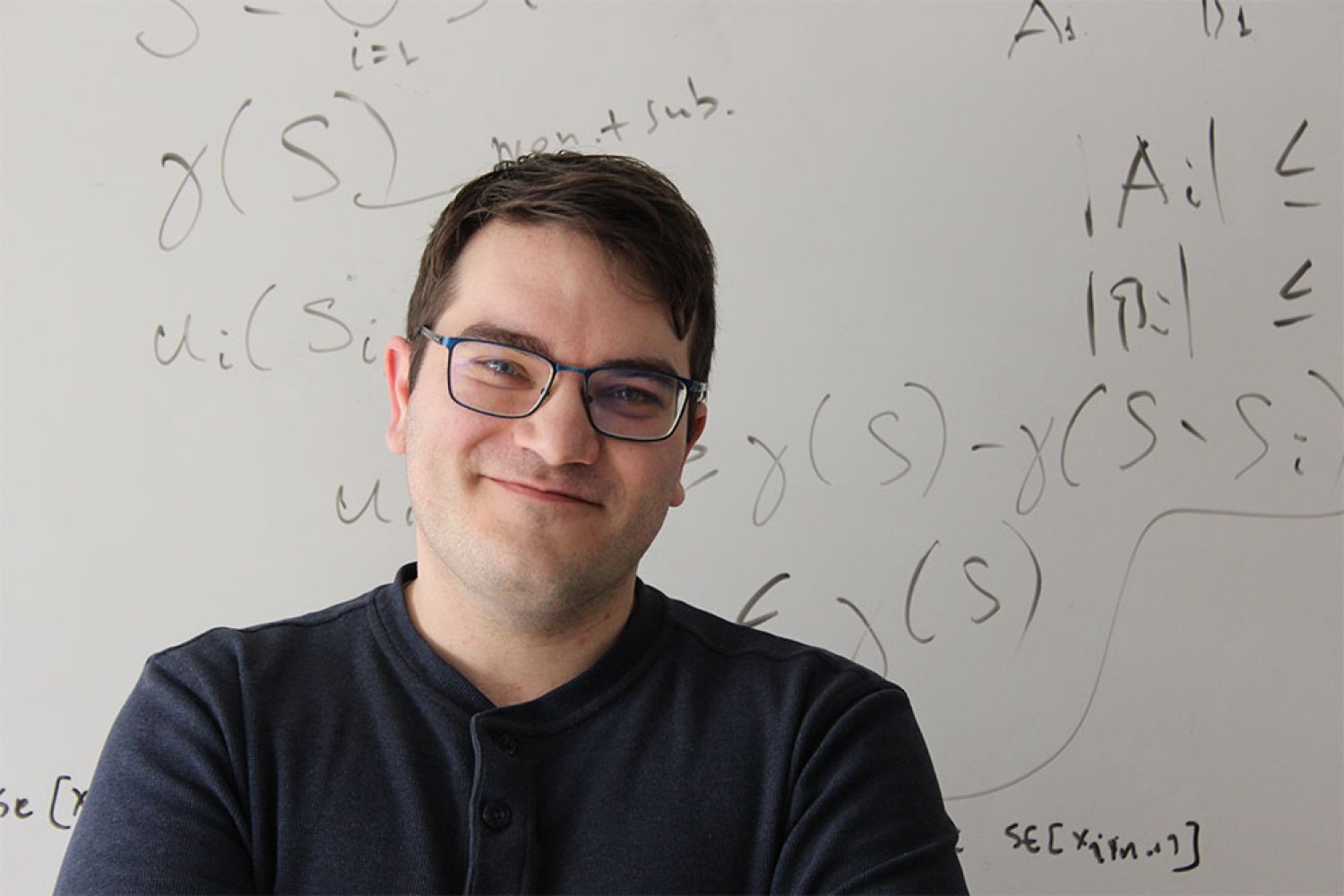
MIT Assistant Professor Gabriele Farina explores his approach to untangling strategic reasoning to advance AI.

Beacon Biosignals is creating a model to help diagnose and treat brain disorders, based on data collected while people sleep at home. The firm was founded by MIT alumnus Jake Donoghue and former MIT researcher Jarrett Revels.

President Sally Kornbluth spoke in front of a packed crowd about growing challenges to the U.S. research ecosystem as funding for America’s top research universities becomes increasingly strained.
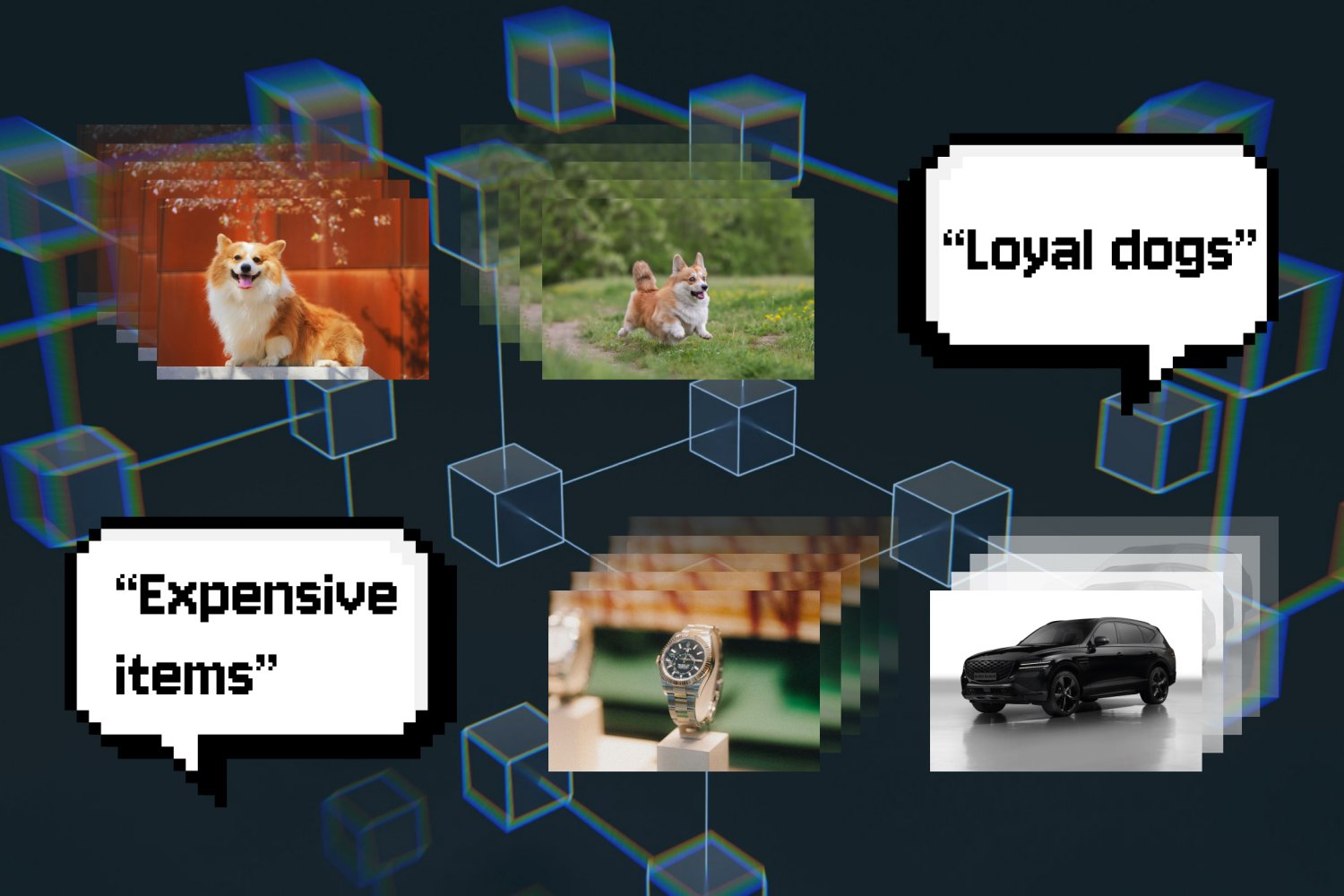
A new debiasing approach called WRING resolves the "Whac-a-Mole dilemma" of existing debiasing approaches that can create or amplify existing biases.

IBM and MIT announced the launch of the MIT-IBM Computing Research Lab, advancing their long-standing collaboration to shape the next era of computing that combines AI, algorithms, and quantum computing. The new lab evolved from the MIT-IBM Watson AI Lab.

MIT researchers developed a technique that accelerates a privacy-preserving approach for training AI models on edge devices. Their new framework could enable more accurate, efficient, and secure AI models to be used in under-resourced settings.

The EnergAIzer technique can predict how much power a certain AI workload will consume when run on a particular processor. This method could help data center operators and algorithm developers improve the sustainability of AI workloads.
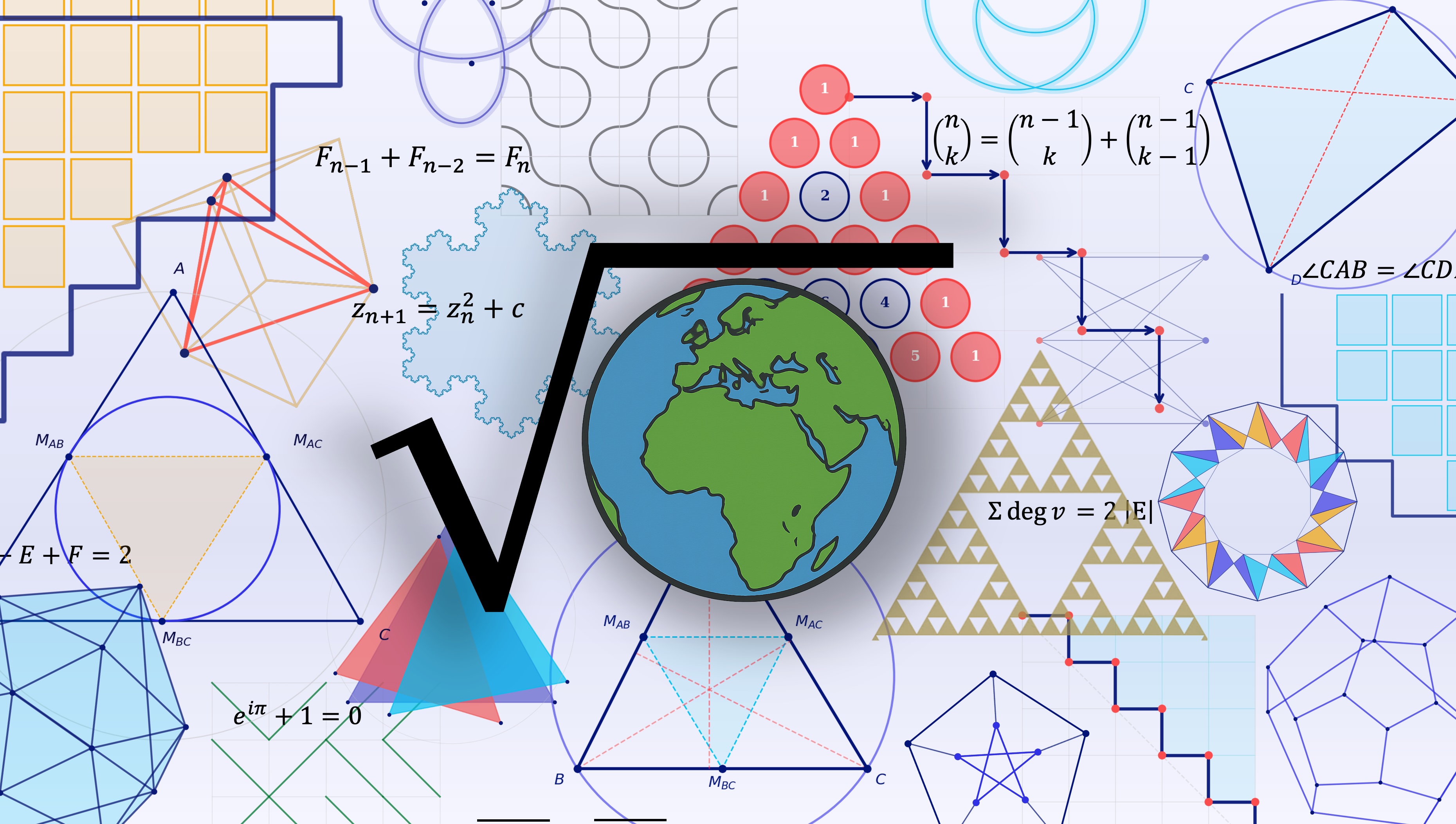
MIT CSAIL scientists have compiled the largest high-quality dataset of proof-based math problems ever created. It can help researchers test AI models’ mathematical reasoning, while capturing the full range of mathematical perspectives and problem-solving traditions within the global math communit...

MIT CSAIL's “Reinforcement Learning with Calibration Rewards” technique improves AI confidence estimates without sacrificing performance, addressing a root cause of hallucination in reasoning models.
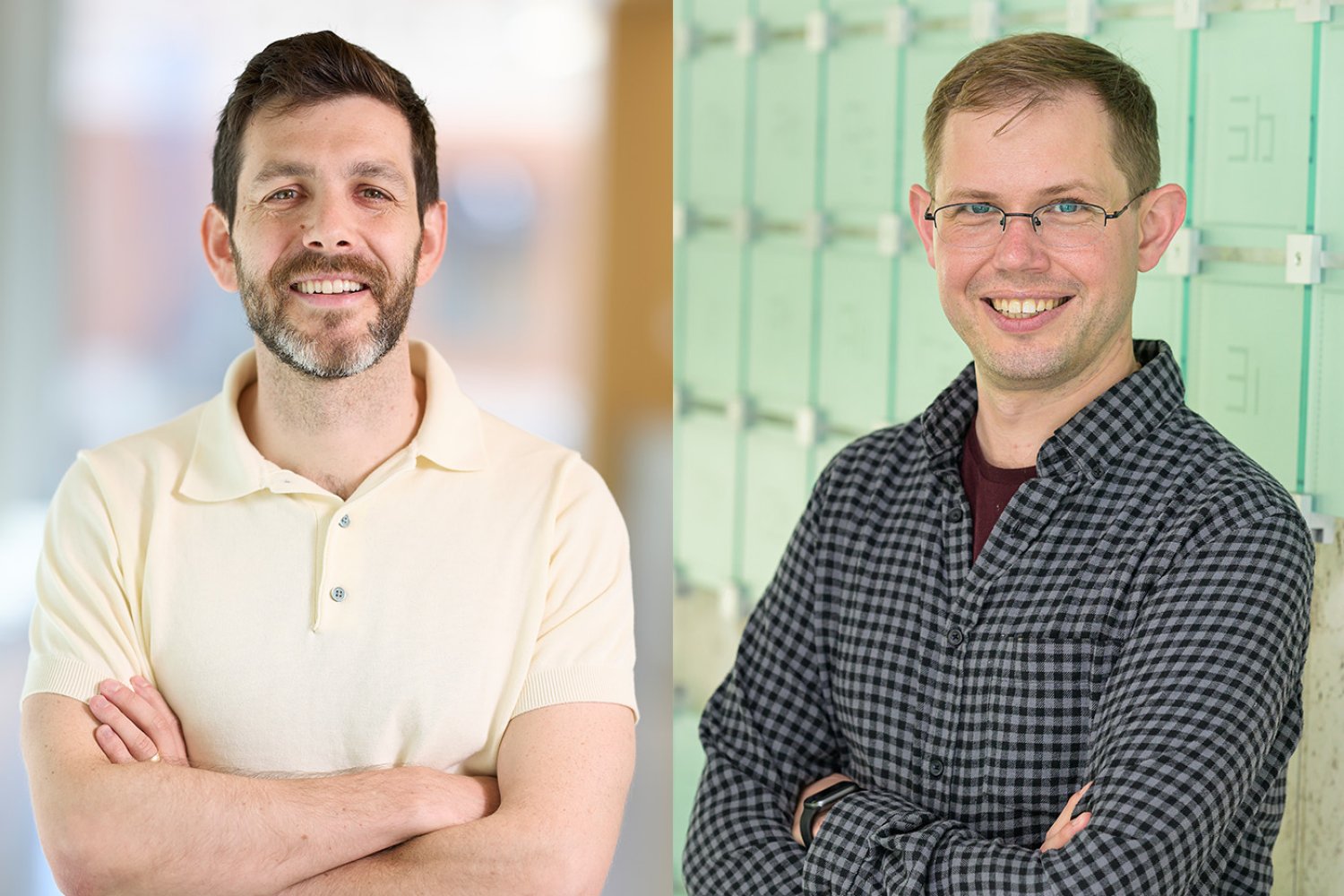
MIT associate professors Jacob Andreas and Brett McGuire have been selected as the winners of the 2026 Harold E. Edgerton Faculty Achievement Award for exceptional contributions to teaching, research, and service at MIT.
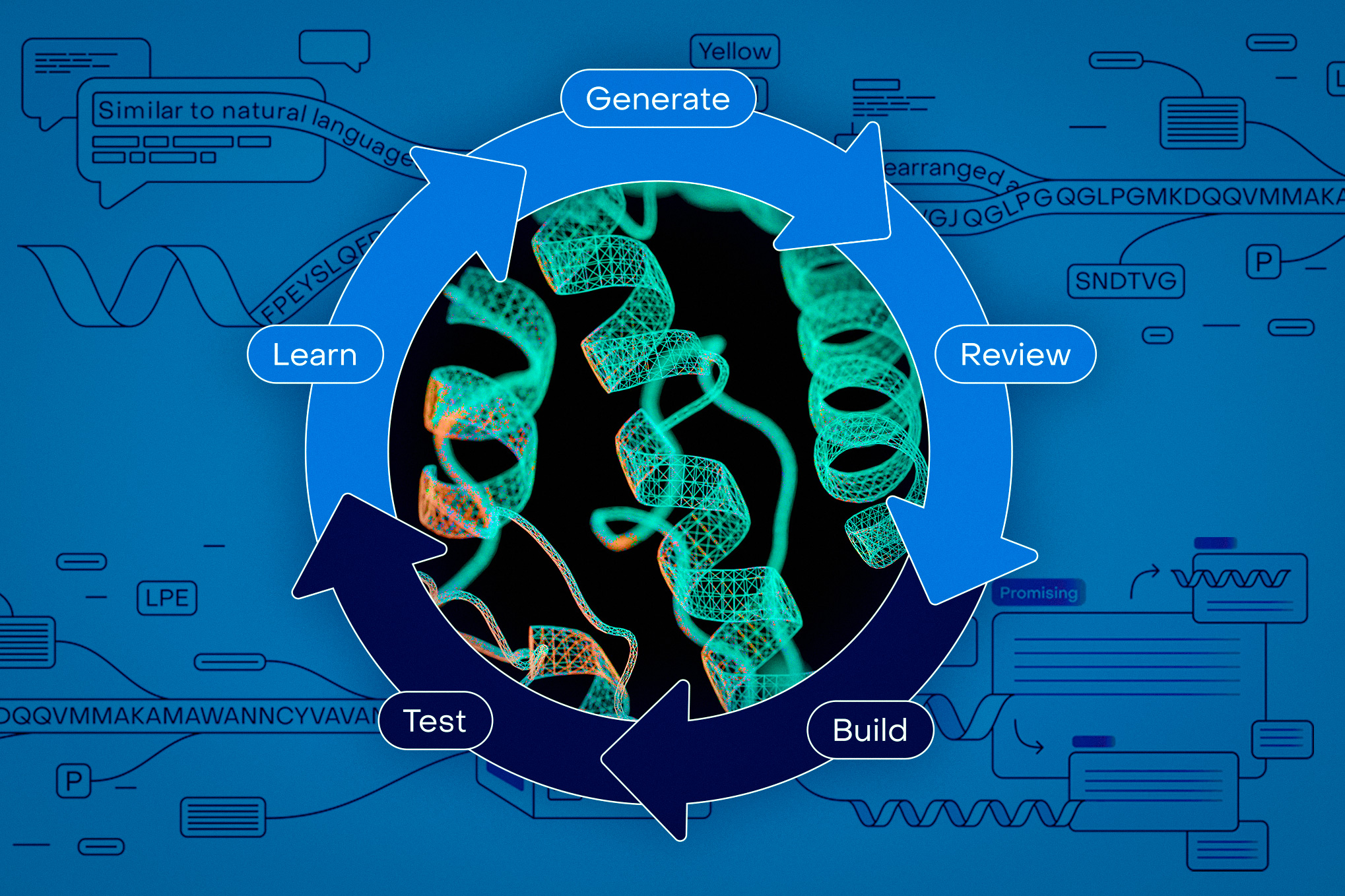
OpenProtein.AI is helping biologists stay on the cutting edge of AI with a no-code platform for protein engineering. It was founded by MIT alumni Tristan Bepler and Tim Lu.

MIT researchers developed an intelligent system for balancing the tasks of storage devices inside a data center, which can extend the longevity of storage hardware and help a data center operate more efficiently.

SEED-SET is a new evaluation framework that can test whether recommendations of autonomous systems are well-aligned with human-defined ethical criteria. It can also pinpoint unexpected scenarios that violate ethical preferences.
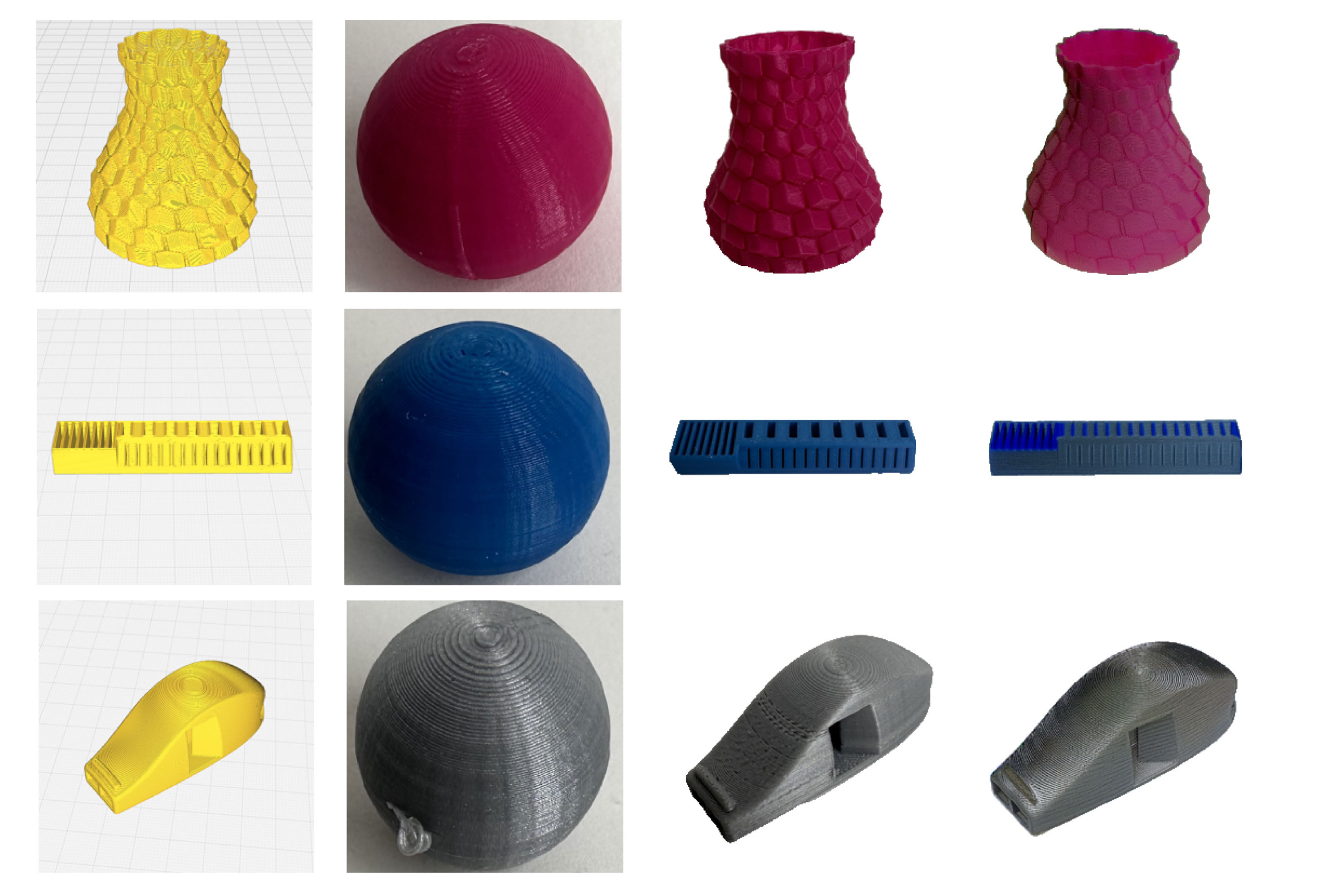
The VisiPrint tool generates an accurate, aesthetics-first preview of how an object will look before it is 3D printed, in an effort to help makers avoid reprints that waste time, effort, and material.