

I trust Claude for everything. This test made me rethink that.
xAI's boldest claim about Opus turned out to be true.
@the-new-stack
Publisher
104
Posts
xAI's boldest claim about Opus turned out to be true.

I’m Matt Burns, Chief Content Officer at Insight Media Group. Each week, I round up the most important AI developments,

Open-weight model Kimi K3 tops Arena's frontend coding leaderboard, challenging proprietary AI coding tools and pushing IDE vendors to rethink model lock-in.

1Password's new Claude integration lets AI agents authenticate without ever seeing passwords, using on-device decryption and per-task user approval.
DoorDash announced a terminal tool to let AI agents order food — whether it's good for business is another question.

AI agents need more than raw data. Learn how structured evidence packets ensure trustworthy, auditable, and verifiable AI decision-making.

Here's how Google Axion CPUs and the GKE Agent Sandbox optimize agentic AI costs.

Learn how Amazon EKS scales Kubernetes controllers, manages state memory, and ensures correct network policy enforcement at scale.

Comic Chat was the '90s IRC client that turned typed chats into comic strips. It's also partly responsible for the digital world's most (in)famous font.

Think AI shifted your bottleneck to code review? Think again. The real issue is downstream deployment batches blocking your value stream.
GoDaddy launches a developer platform with new APIs, a CLI, and AI-agent safeguards, bringing domain search, purchase, and DNS management into code-first workflows.

AI agents are flooding pipelines. The bottleneck isn't deployment—it's validation. Learn how to fix independent deployability.

Learn why semantic AI caching can degrade performance and how a hybrid Redis-vector database architecture solves the latency trap.

Linus Torvalds says Linux welcomes AI tools, telling critics to fork the kernel or walk away - a sharp reversal from his 2024 skepticism.

OpenAI's GPT-Red uses self-play reinforcement learning to automate prompt injection testing at scale, already hardening GPT-5.6 against attacks without increasing over-refusals.

Why AI agents delete production databases despite direct commands, and how to build the structural safeguards needed to stop them.

Google's Agent Sandbox and Substrate concede Kubernetes was never built for AI agents. Inside the new runtime taking shape on top of the cluster.

In six weeks, the Linux Foundation has stood up three bodies covering AI's token costs, compliance, and payments. Here's why.

Elon Musk says X will open-source its entire codebase after a security review, with third-party reviewers verifying the live production code matches.
Atlassian is betting new Jira coding agents, AI planning, and Slack integration will finally get developers to spend their days in the ticket tracker.

OpenAI's first hardware is a $230 macropad built with Work Louder. The Codex Micro's Agent Keys light up to show what your coding agents are doing.

CEO David DeSanto says most enterprises are stuck choosing between total lockdown on one AI model, or a total free-for-all. But neither is a real strategy.
Meta and a former sneaker company both became cloud providers this quarter. Why fragmenting compute supply means the winning move is above the suppliers.

AI hardware failures are data problems, not model issues. Learn why your database is the product and how to scale memory devices.

IBM's earnings miss reveals enterprises are cutting software budgets to fund AI hardware, forcing dev teams to build custom integrations with open-source tools.
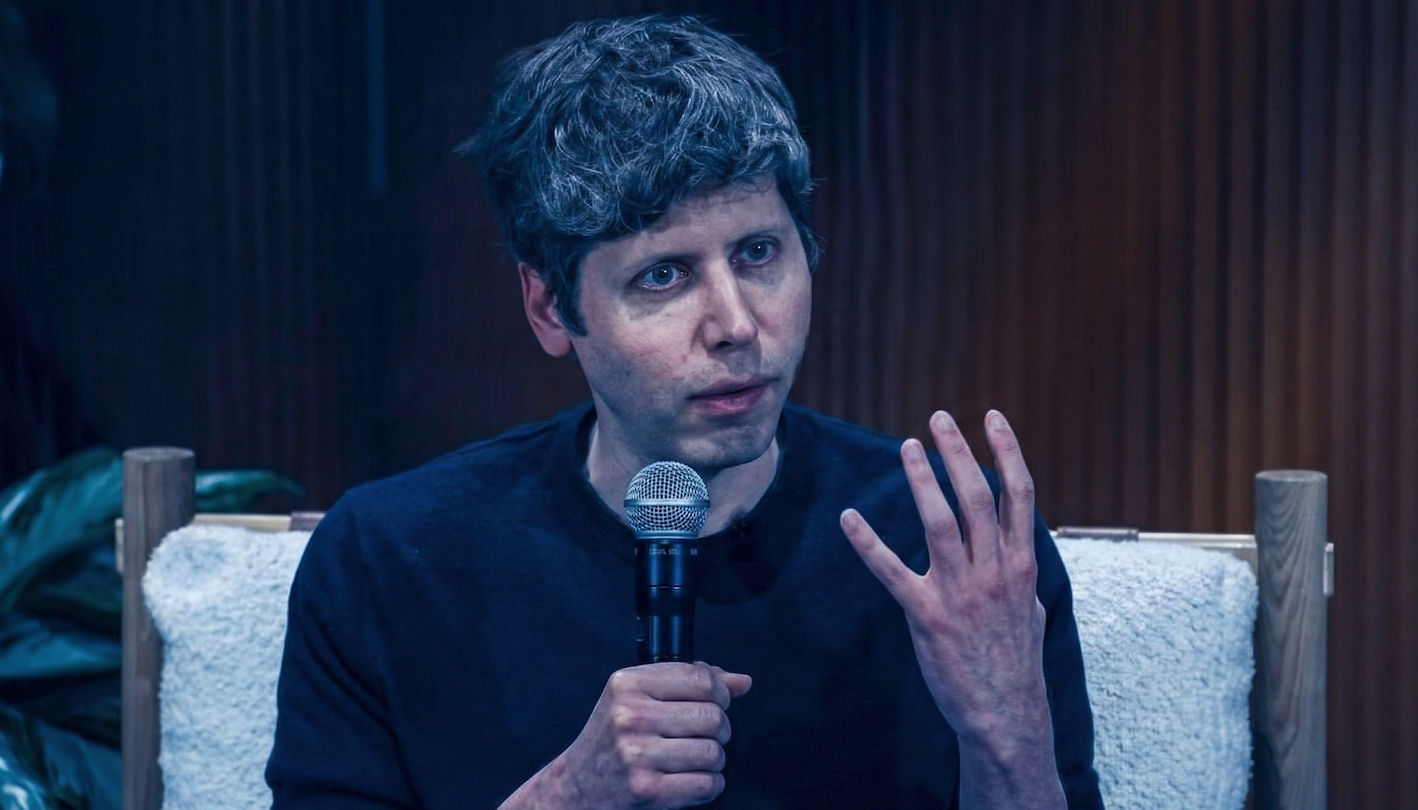
OpenAI's GPT-5.6 launch pushed Codex past 8 million users in days, broke scaling limits, and forced Anthropic to respond — reshaping AI coding's competitive map.
AWS Security Hub now monitors Microsoft Azure resources and adds AI workload protection, taking on Microsoft Defender and Wiz in multicloud security.
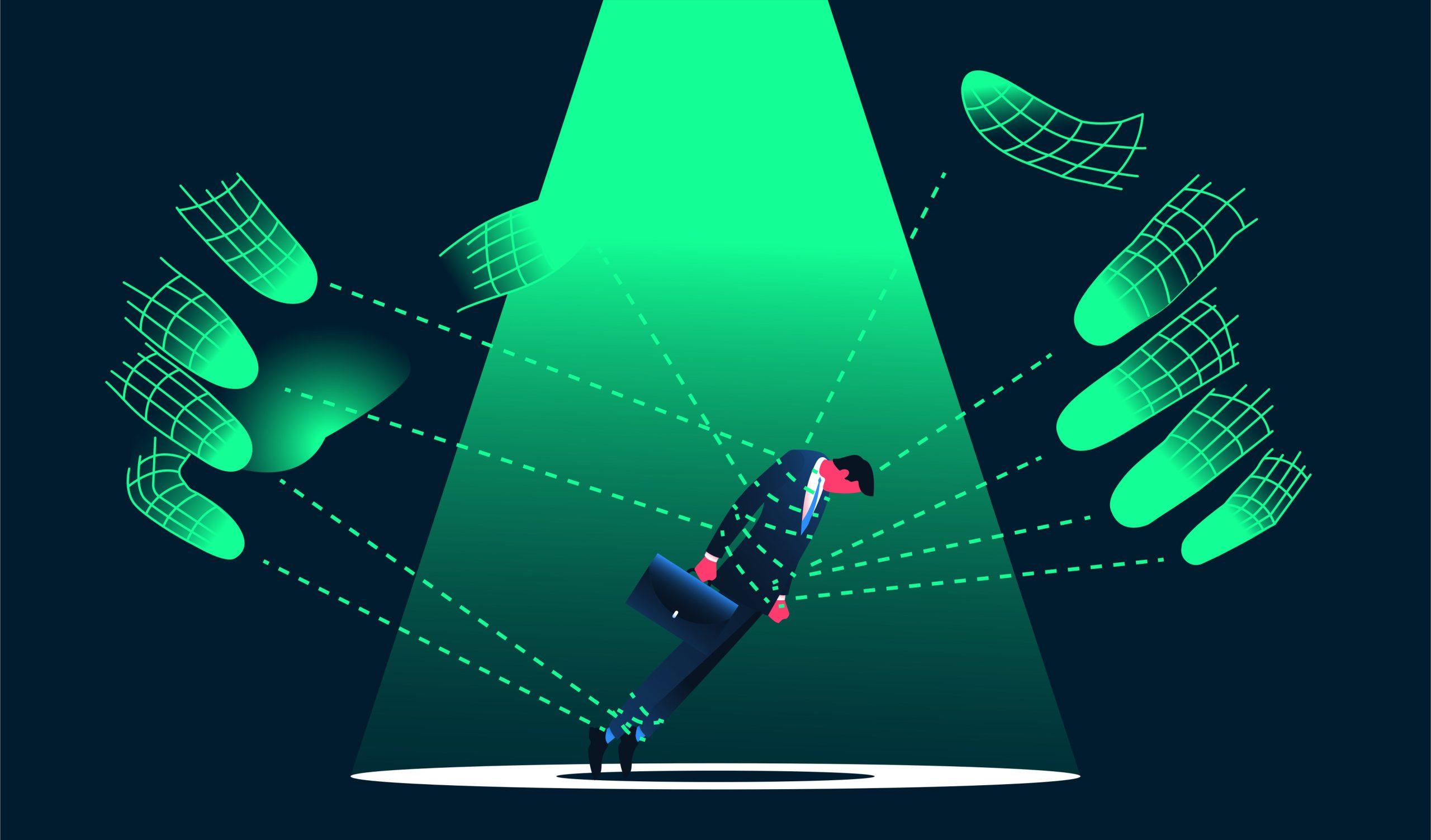
Legacy VPNs weren't built for AI agents or how modern teams work. See how identity-based networking and PAM close real access gaps at scale.

As AI labs push into enterprise software, a new fear takes hold: is your data training the models your rivals will use? Inside the open-model pushback.

Open-weight models like GLM 5.2 trail frontier AI by months, not miles — and cost far less. Experts weigh lock-in, safety and real developer results.

Port launches AI Builder, pairing vibe coding with context-aware governance, plan-mode approvals and full SDLC visibility for platform teams.

Valantor's EyeLevel acquisition tackles the 80% of corporate knowledge trapped in visually complex PDFs, PPTX and DOCX files that AI can't read.

Skeptics dismiss MCP as too complex, but enterprise AI agents require its structural governance and security controls to scale safely.
Sunny Gupta spent a decade and a half building Apptio into the system of record for enterprise technology spend. His
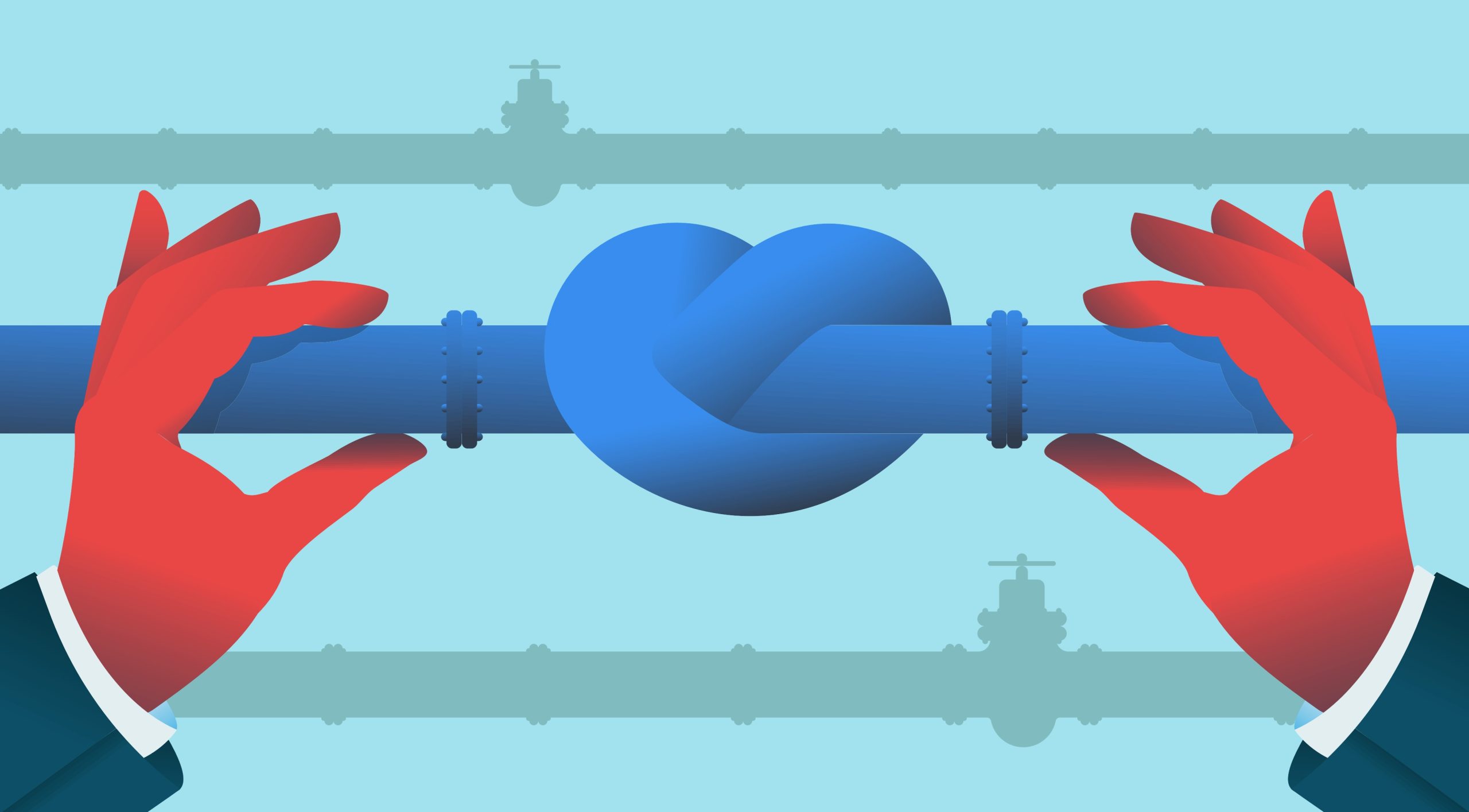
What began as a rivalry over data workflows is becoming a bet on how AI agents should be run, governed and measured.

Satya Nadella's "reverse information paradox" warns enterprises pay twice for AI — with money and proprietary knowledge. Here's his fix, and the catch.

Anthropic has extended free access to Claude Fable 5 through July 19 for the third time in five weeks, as a leaked Honeycomb model fuels speculation about Opus 5.

Modern SOCs don't suffer from a lack of telemetry; they suffer from too much of it. Learn how security teams are using AI, entity-centric detection, and smarter data management to cut through the noise.

AI speeds up code creation but slows down verification. Learn how AI-assisted workflows shift the bottlenecks in software engineering.

APIs and MCP each play a distinct role in incident management. Here's when to use deterministic API workflows and when MCP's AI context wins.
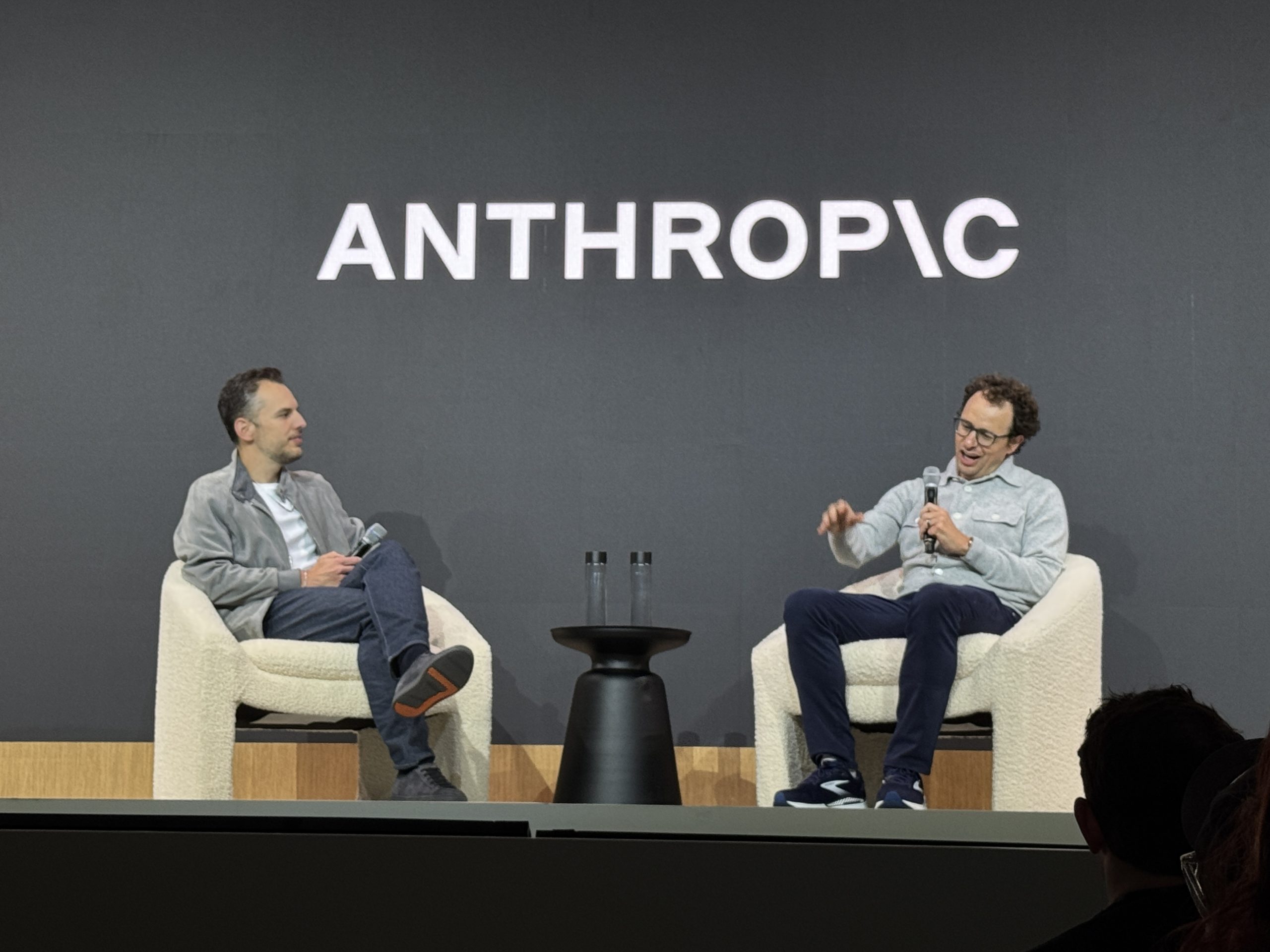
UST joins Anthropic's Claude Partner Network, training 20,000 developers and embedding Claude into engineering platforms for semiconductor, telecom, and enterprise AI workflows.

Learn how asynchronous processing hides system latency and improves responsiveness using an event loop to handle tasks concurrently.
Inside Brain, the AIOps system Azure uses to model cloud health, declare outages, pause harmful rollouts, and auto-notify affected customers.

AI agents are flooding pipelines with code. Learn how to shift real-system validation pre-merge to fix the ultimate review bottleneck.

AI projects often stall after the demo phase. Learn why real-time data infrastructure is critical for scaling AI models to production.

Go already runs much of the cloud. Now it's the language the biggest AI agent frameworks are racing to support — but two names are missing.

Grok 4.5, GPT-5.6 and Meta's first paid model launched in one week, and every AI lab made the same pitch: price. Inside the frontier model price war.

Meta's new Iris AI chip enters production in September, shifting inference workloads off third-party GPUs as the company races to build vertically integrated AI infrastructure.

Why retrieval quality is the ultimate bottleneck in AI agents—and how fixing context-building solves hidden LLM generation failures.

How AWS uses static stability and automated zonal shifts in Amazon EKS to survive complex gray zone failures without regional outages.

“reflection” dashboard lets Claude users track activity, but engineering leaders question whether it can really help improve AI discernment.

OpenAI's ChatGPT Work takes on Claude Cowork, but the real question for AI agents isn't the persona — it's who controls runtime, state, and policy.

AI coding agents make it easy to pump out code, but leaders say that’s not real productivity.

RapidFort and ReversingLabs launch a hardened open source library catalog to catch supply chain threats that CVE scans miss.

Meta launches Muse Spark 1.1 with aggressive API pricing, undercutting OpenAI and Anthropic as Zuckerberg shifts from open source to proprietary AI models.
OpenAI launched ChatGPT Work, a Codex-based agentic tool that takes on Claude Cowork, and folded Codex and Atlas into one ChatGPT desktop app.

OpenAI's new GPT-5.6 models — Sol, Terra and Luna — match Anthropic's Fable 5 on many benchmarks but undercut it on cost. Here's what's new.
DevRev open-sourced a benchmark that tests enterprise AI agents on messy data at scale — and its own agent, Computer, comes out ahead of Claude Code.

Nvidia's Jensen Huang says engineers now prefer building AI agents over writing Python. Here's how coding jobs are evolving, not disappearing.

Hardened container images promise less risk, but a quick SBOM sniff test can reveal missing components, weak transparency and a false sense of security.

Krumware's Epinio and its new MCP server let developers ship on Kubernetes without friction, treating platform engineering as the real path to AI readiness.

A post-mortem on how an AI pipeline poisoned its vector store with hallucinations, and why deterministic code beats prompt fixes.
SRE and DevOps teams use generative AI and agentic AI to speed up root cause analysis, reduce alert noise, and democratize data across environments.

Five months after OpenAI hired creator Peter Steinberger, OpenClaw has re-emerged as a non-profit foundation, with its first full-time staff and a board now in place.

Musk announces Grok 4.5 public launch for tomorrow, calling it an "Opus-class" model that's faster and cheaper, as Anthropic grapples with Fable 5 curbs.

JetBrains launches AI for Teams and Organizations, adding governance, shared context and cost controls that sit above whatever AI coding tools developers already use.
Meta's Alexandr Wang says its Watermelon model caught up to GPT-5.5, but the benchmark table nobody can find is the real story here.

GPT-5.6's tiered Sol, Terra, and Luna models launch Thursday, but developers are more excited about Terra's economics than Sol's benchmarks.

Generative AI and agentic AI are reshaping IT observability, with 85% of orgs already using it. Elastic's Thaddeus Walsh on agent-led investigations, RCA, and democratizing data access.

Refiant's Protea model claims a 10-million-token context window, using swarm optimization inspired by ants and bees to tackle AI's long-context problem.
Five months after the largest seed round in developer tools history, Thomas Dohmke's startup is shipping the distributed foundation layer it teased in February, and edging toward competing with the GitHub repositories it mirrors.
Vercel and Coinbase are abandoning single-vendor AI strategies, using model gateways and smart routing to cut costs while scaling token usage across production systems.

OpenTelemetry and OpenSearch combine to make the powerful Agent Health Framework before your agents go rogue in prod.
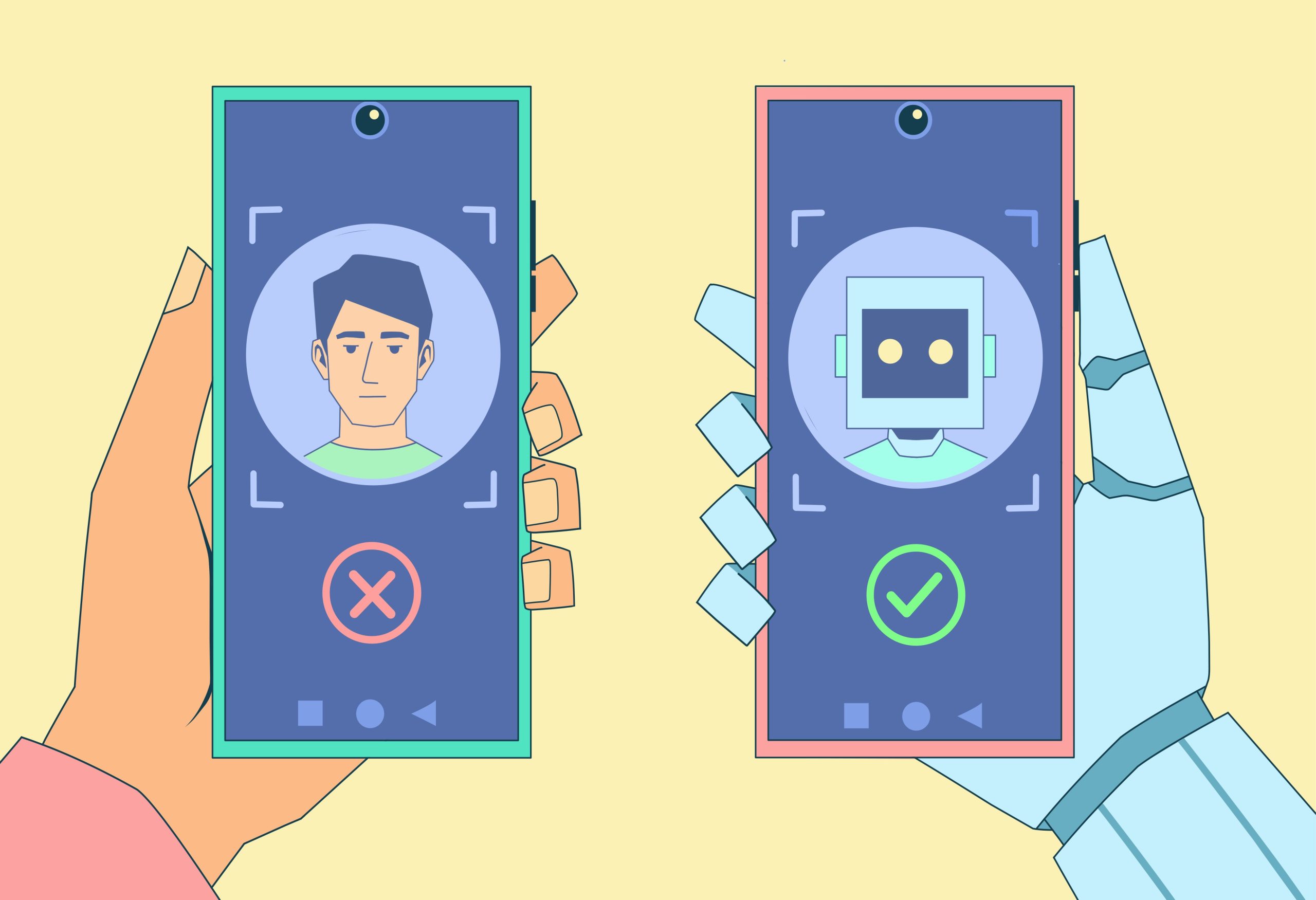
Better Auth is the company behind the open source TypeScript auth library. It's now building Agent Auth, a protocol giving AI agents their own scoped, revocable identity.

Paid Claude users get five more days with Fable before it shifts to pay-per-token pricing.

Claude Cowork is leaving the desktop: Anthropic moves its AI agent to web and mobile and moves tasks to the cloud, so they run while you're offline.

AI agents fail when they miss 'invisible data.' Learn how to capture the institutional reasoning behind decisions before it evaporates.
AI is breaking traditional code review. Learn how to replace diff checks with verified intent and automated invariant engineering.

A Peking University study of 1,888 GitHub repos finds AI coding agents aren't pushing newcomers out of open source, but maintainer workload is surging fast.
Microsoft, Google and Cloudflare move quantum-safe deadlines to 2029, warning "harvest now, decrypt later" attacks make post-quantum cryptography urgent.

Getting coding agents to omit filler and pleasantries went viral as a token-saving hack — but JetBrains data suggests the savings might not be all that big.

Developers are building AI apps at a breakneck pace, but most organizations don’t have the infra or operations capacity to move them into production.

Palantir's Alex Karp and Mistral's Arthur Mensch are making the same case from different angles: Don't let closed AI providers control your data and deployment.

Karpathy, Google, and Garry Tan all landed on Markdown for agent memory this quarter — and the real moat is shifting from models to files.

Engineers and experts say code review rarely catches bugs — its real job is flagging code that's painful to maintain later.

Microsoft, AWS, OpenAI and Anthropic are all racing to embed engineers inside customers. Here's why deployment, not the model, now decides enterprise AI.

Ten defining AI moments of 2026 so far: Anthropic's Fable 5 shutdown, Pentagon clashes, Wall Street deployment races, and the rise of the AI harness.

Chinese open-weight models like GLM 5.2, Qwen and DeepSeek are quantized, fine-tuned and run locally — reshaping frontier AI and commoditizing intelligence.

As agentic AI scales, token consumption — not model selection — is becoming the real cost driver, pushing teams toward smarter context management and routing.
Apple ships its second MCP server in a month, signaling that the protocol is becoming standard platform infrastructure for AI agent workflows.

A $1.3 million cargo theft near Chicago shows how copper wire and data center equipment are becoming prime targets in the AI infrastructure supply chain.

Microsoft's new $2.5 billion unit helps enterprises swap AI models freely — a sign that routing between models is becoming the new enterprise AI stack.
Open source game engine Godot has new AI contribution rules, and it's not just about code quality -- it's an attempt to protect its maintainer pipeline.
CTO Alex Whedon says Subquadratic isn't a sparse-attention company at all. It's already working on architectures that drop attention altogether, and expects to leapfrog its own model.

Social logins run on dying cookies. FedCM is the browser-native alternative built to protect privacy and boost your site's conversions.

Discover how to prevent silent AI regressions using LLM release gates with baseline evals, drift detection, and shadow validation.

The OpenClaw project launched iOS and Android apps to let users manage their agents from their phones.

Security researchers weigh in on why normal code review misses CI/CD risks and how developers should rethink pipelines.

Cloudflare expands its AI web tools with Pay Per Use, crawler classification and answer engine optimization to become the economic infrastructure layer between publishers and AI companies.

Clockwork's TorchPass shifts a training job onto a healthy spare the moment hardware fails, sparing teams the hours of recompute that a checkpoint restart costs.

The Codecov breach exposed a structural flaw in CI/CD security: Your pipeline holds all your secrets. Here's why it's your weakest perimeter.
The price of bringing Fable 5 back: safeguards so tight the model now flags some legitimate coding requests.
The U.S. Commerce Department is lifting the export controls it placed on Anthropic's Fable and Mythos models, clearing the way for Fable's return.
Anthropic's Claude Sonnet 5 system card reveals that AI agent reliability — not benchmark scores — is the next major infrastructure challenge for engineering teams.