
Memory manufacturers, namely Samsung, SK Hynix, and Micron, are being sued for allegedly fixing component prices while reducing supply.
As reported by Law360, a federal lawsuit filed last Thursday alleges the chip-making companies have exacerbated the so-called 'RAMpocalypse' by fixing memory supply and prices.
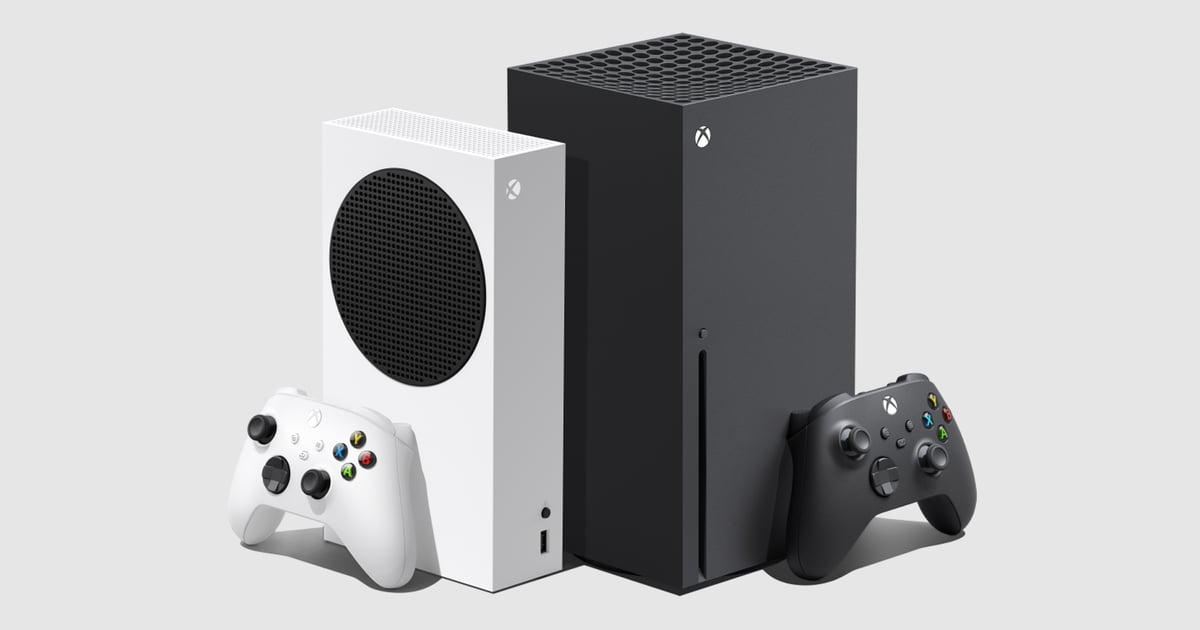
For context, the memory crisis has been largely attributed to rampant investment in artificial intelligence data centers (thanks, Reuters). The likes of Valve, Xbox, and Nintendo all increased hardware pricing in recent times, noting the memory shortage as a main or prevalent factor for the hike.
Now, the class, which is represented by antitrust specialist Bathaee Dunne LLP, is alleging the three companies coordinated their exit from DDR3 and DDR4 RAM production, and pivoted to producing high-bandwidth memory (HBM) for data centers.
The claim alleges the trio cut "conventional" RAM in defiance of "all economic and business logic." Prices have risen by around 700 percent over the last four years. The lawyers particularly point to Micron's 2025 shutdown of its consumer-facing Crucial business at its "most profitable point in its history."
Related:Own goal specialist Xbox rifles another into the roof of the net - Patch Notes #60
The lawyers are alleging that—due to the massive amount of capital required to set up RAM fabrication, estimated to be $15 to $20 billion, as well as the time involvement—it's hard for new competitors to penetrate the market and "discipline" the existing three companies.
Companies (like console manufacturers) are trying to navigate the memory crisis to uneven results. In its latest financial report, Sony said it plans to base FY26 hardware forecasts on the volume of memory it can procure at "reasonable prices" amid an ongoing component shortage.
"Unfortunately, the recent surge in memory and other component prices, and the changes in the market environment, including trends in the foreign exchange market and the price of oil, are all factors that we anticipate will continue over the medium to long term," Nintendo president Shuntaro Furukawa said during a Q&A session, in which he explained the decision to increase the price of Switch 2 hardware after less than a year on shelves.
"As a result, we felt that the profitability of our hardware would suffer significantly if we maintained our existing pricing, potentially impacting our business operations over this time frame. For the sustained growth of our dedicated video game platform business, it is important to maintain a healthy earnings structure for our overall business."
About the Author

Contributing Editor, News, GameDeveloper.com
Diego Nicolás Argüello is a freelance journalist and critic from Argentina. Video games helped him to learn English, so now he covers them for places like The New York Times, NPR, Rolling Stone, and more. He also runs Into the Spine, a site dedicated to fostering and supporting new writers, and co-hosted Turnabout Breakdown, a podcast about the Ace Attorney series. He’s most likely playing a rhythm game as you read this.
0 Comments
Log in to join the conversation.No comments yet. Be the first to share your thoughts.