
Senior Editor, News,GameDeveloper.com
July 21, 2026
2 Min Read
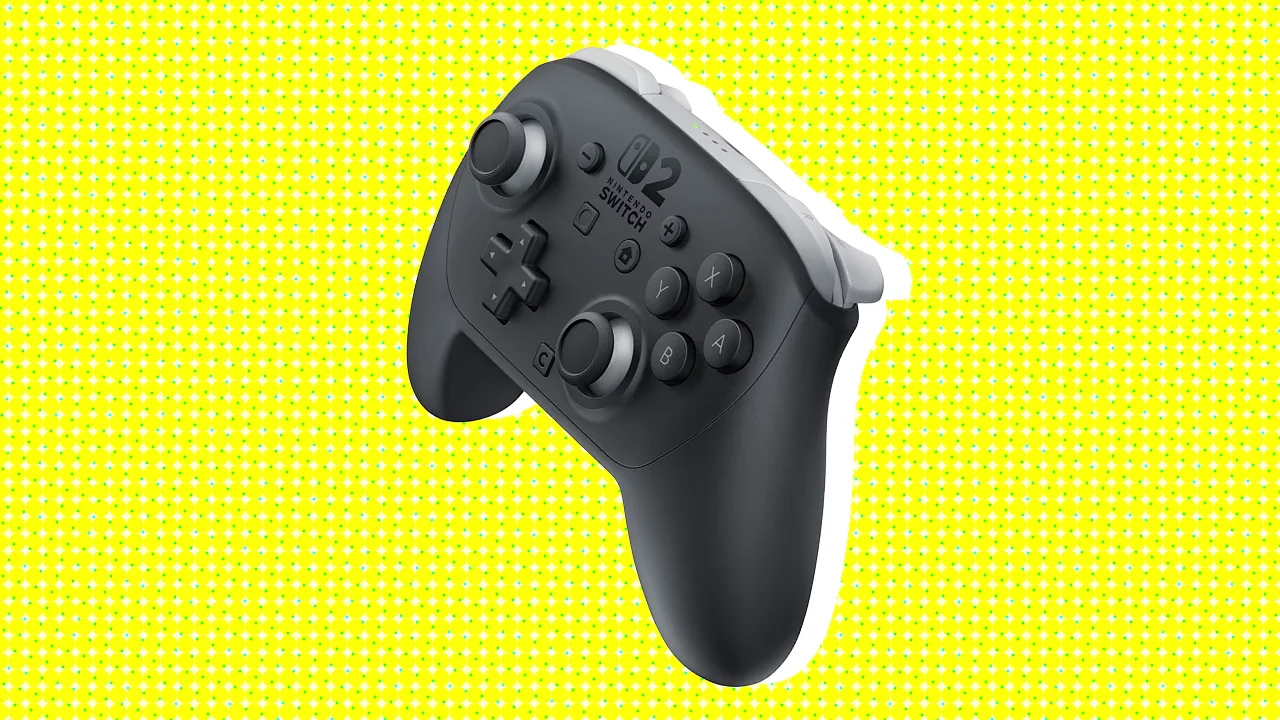
Original Switch 2 Pro Controller image via Nintendo
Nintendo has requested the dismissal of a proposed class action lawsuit filed by customers seeking tariff refunds.
In April 2026, plaintiffs Gregory Hoffert and Prashant Sharan claimed Nintendo benefited from tariffs imposed by the U.S. government by choosing to raise the price of console hardware and peripherals (including the original Switch console and Switch 2 controllers) instead of absorbing the cost itself—and then seeking refunds when the U.S. Supreme Court deemed those tariffs illegal.
Hoffert and Sharan feel Nintendo should pass on those refunds to consumers who paid more for certain products off the back of tariffs.
"Major U.S. importers—including Nintendo—responded by increasing prices on consumers goods to offset the cost of these tariffs. As a result, American consumers paid higher retail price for consumer goods reflecting the economic burden of those tariffs," reads the filing.
Related:Edge of Memories developer Midgar Studio is being liquidated
Now, as noted by Game File, Nintendo's legal team claims consumers are "not entitled to a rebate simply because of intervening legal developments related to tariffs" and said they "received exactly what they bargained and paid for."
"Nintendo or one of its retailers set a price for each product, and consumers decided whether that price was worth paying. Those who bought Nintendo’s products received exactly what they bargained and paid for: a console, game and/or accessory at a price to which both parties agreed," added the company's lawyers.
"The money Plaintiffs paid represents the purchase price of the goods they wanted and received; Plaintiffs are not entitled to a rebate simply because of intervening legal developments related to tariffs."
Notably, Nintendo claims it did in fact absorb some tariff costs—unlike some of its "market peers"—and only chose to implement "modest" price adjustments. It stressed that its pricing decisions were also influenced by additional factors, such as rising memory costs.
"Like its market peers, Nintendo made the difficult decision to adjust some of its prices in response to market conditions including costs of memory, labor, shipping, and tariffs. Unlike many of its market peers, however, Nintendo did not simply increase each product’s price by the amount of tariffs it paid on that product or impose an across-the-board tariff surcharge," the company said.
"Instead, Nintendo imposed modest and selective price adjustments, and it chose to bear the costs of tariffs on some of its most popular products of 2025, including its flagship console, the Nintendo Switch 2."
Related:Netflix says its critically-panned FIFA World Cup video game was a 'top tier' performer
Ultimately, Nintendo claims consumers were not forced to pay for its products after price hikes were implemented, and could have chosen to "abstain from purchasing the product or seek out competing products." The company believes the case should be handled through private arbitration, but has requested it be dismissed outright in the event arbitration is denied.
Sony is facing a similar lawsuit over claims it is set to receive a "double recovery windfall" in relation to tariffs.
About the Author

Senior Editor, News, GameDeveloper.com
Game Developer news editor Chris Kerr is an award-winning reporter with over a decade of experience in the game industry. His byline has appeared in notable print and digital publications including Edge, Stuff, Wireframe, International Business Times, and PocketGamer.biz. Throughout his career, Chris has covered major industry events including GDC, PAX Australia, Gamescom, Paris Games Week, and Develop Brighton.
0 Comments
Log in to join the conversation.No comments yet. Be the first to share your thoughts.